

Health Editorial Team
Health Editorial Team is the collective byline for our editorial team and contributor network. Articles published under this byline or an editorial pen name are researched, written, and reviewed according to our editorial standards for clarity, consistency, and independence before publication.
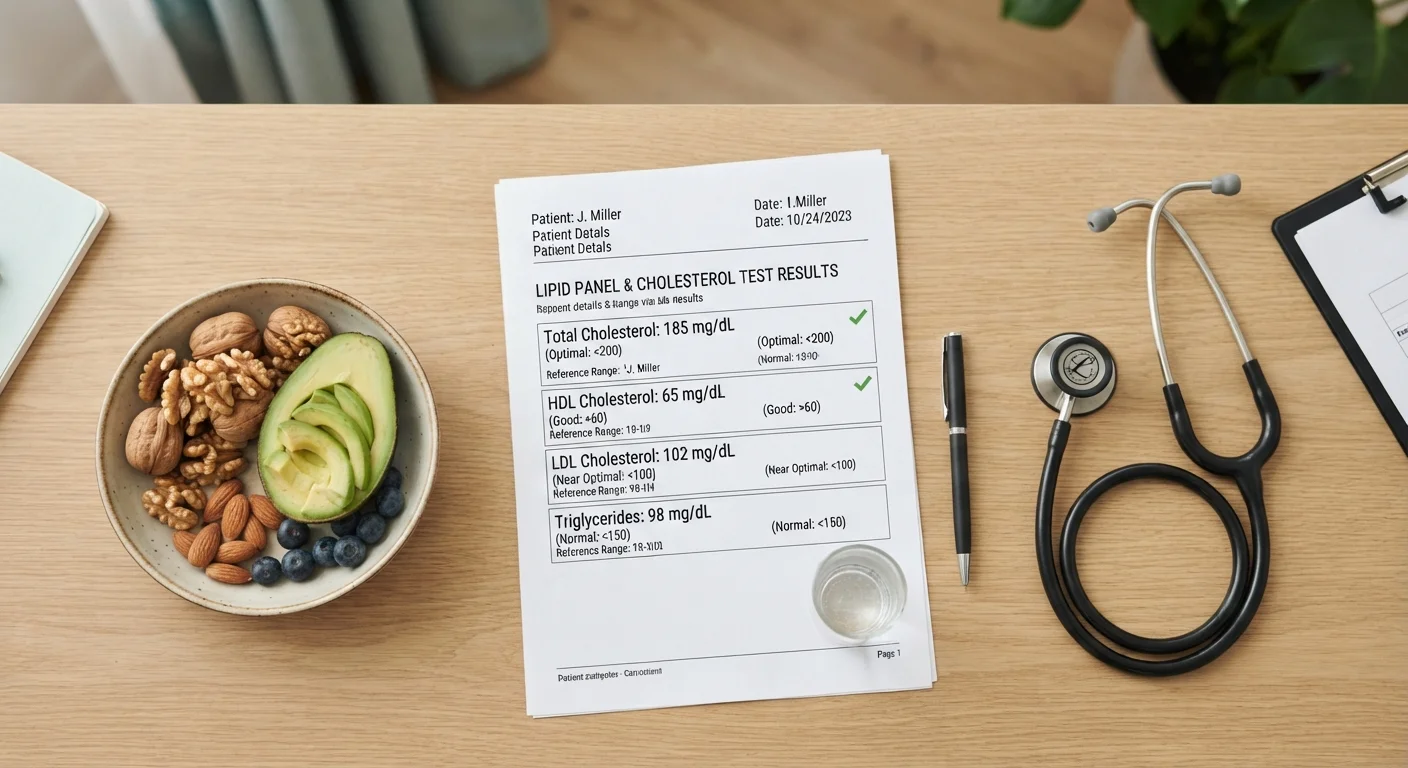
Cholesterol Levels Demystified: HDL, LDL, and Triglycerides
What each cholesterol number means, how they interact, and the lifestyle factors that influence them, all in plain langu…
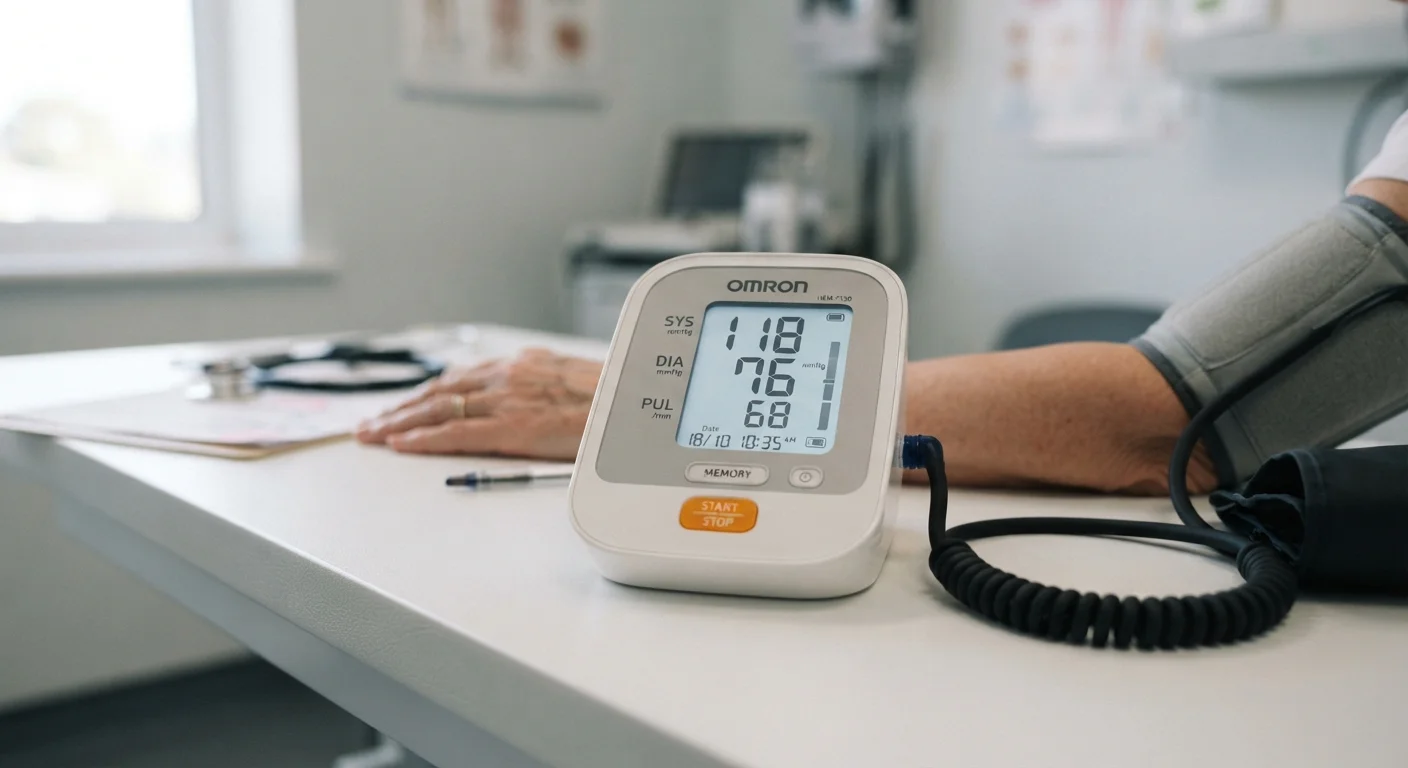
High Blood Pressure Numbers and What They Mean
Understand systolic and diastolic readings, what the ranges signal, and when to talk to a doctor about your blood pressu…

Living With Anxiety: What the Research Actually Shows
An evidence-based overview of generalized anxiety disorder, its common triggers, and approaches supported by clinical re…

Managing a Chronic Condition While Working Full Time
Practical, realistic strategies for balancing medical appointments, energy levels, and workplace responsibilities with a…

Migraine vs. Tension Headache: How to Tell Them Apart
Key differences in symptoms, duration, and triggers between migraines and tension headaches, and when to seek medical gu…

Osteoarthritis Across the Decades: What Changes and What Helps
How osteoarthritis progresses with age, which joints are most affected, and evidence-informed approaches to managing sym…

Persistent Fatigue: When Tiredness Points to Something More
Explore common health conditions linked to ongoing fatigue, from anemia to sleep disorders, and why a professional evalu…

Popular Beliefs About Heart Disease That Science Has Revised
Separating outdated assumptions from current cardiology consensus on diet, exercise, and cardiovascular risk factors.…

Prediabetes: What It Means and Why Early Awareness Matters
A clear explanation of prediabetes, how it is detected, and the lifestyle factors most associated with changing its traj…

Questions to Ask Your Doctor After a New Diagnosis
A practical checklist of informed questions that help patients understand their condition, treatment options, and next s…

Seasonal Allergies: Why Some People Suffer More Than Others
An evidence-based look at the immune mechanisms behind seasonal allergies and factors that influence symptom severity.…

Sleep Apnea: Recognizing the Signs Before Complications Develop
Common and overlooked signs of sleep apnea, who is most at risk, and why early evaluation matters for long-term health.…
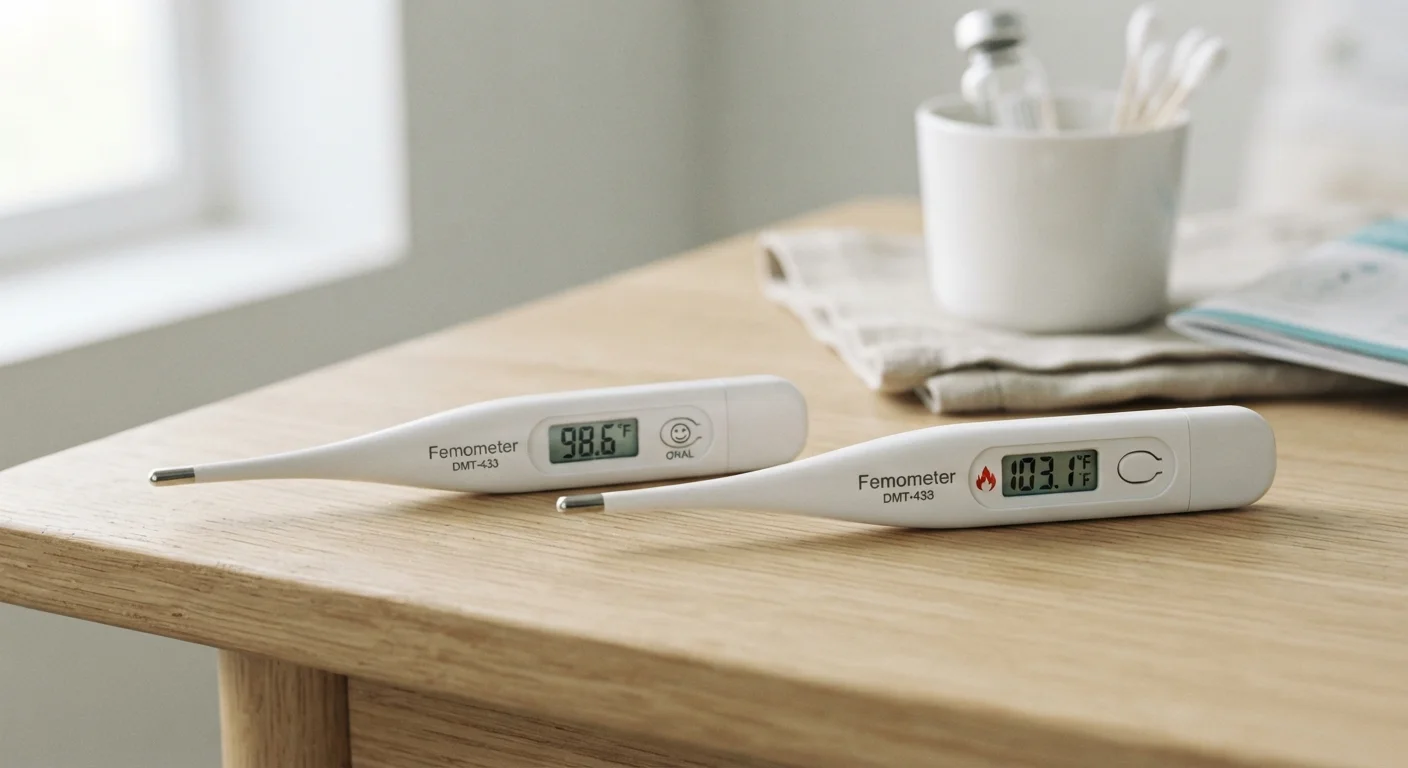
The Difference Between a Cold and the Flu
Side-by-side look at symptoms, timelines, and when each illness warrants a doctor visit, so you can respond appropriatel…
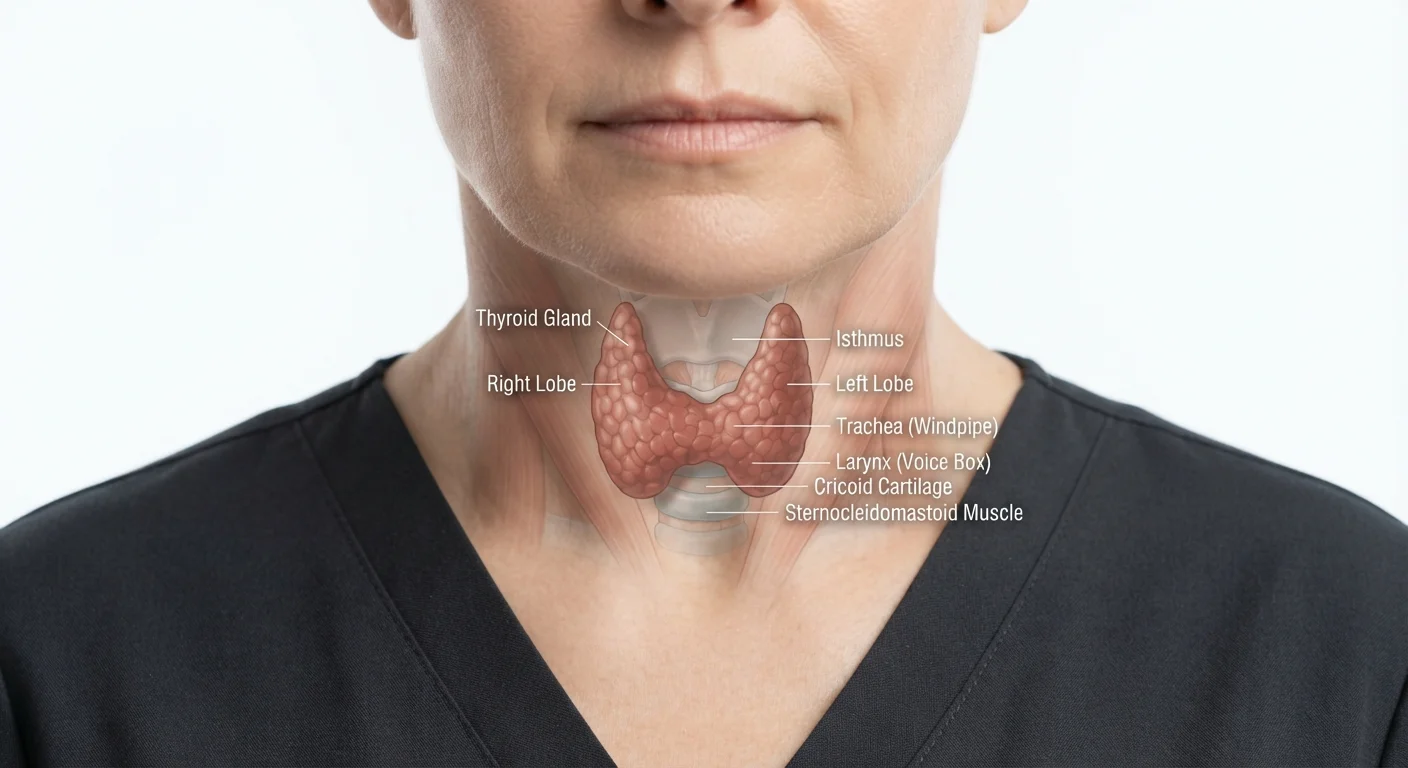
Thyroid Conditions: Hypothyroidism and Hyperthyroidism Compared
How an underactive and overactive thyroid differ in symptoms, diagnosis, and general management approaches.…
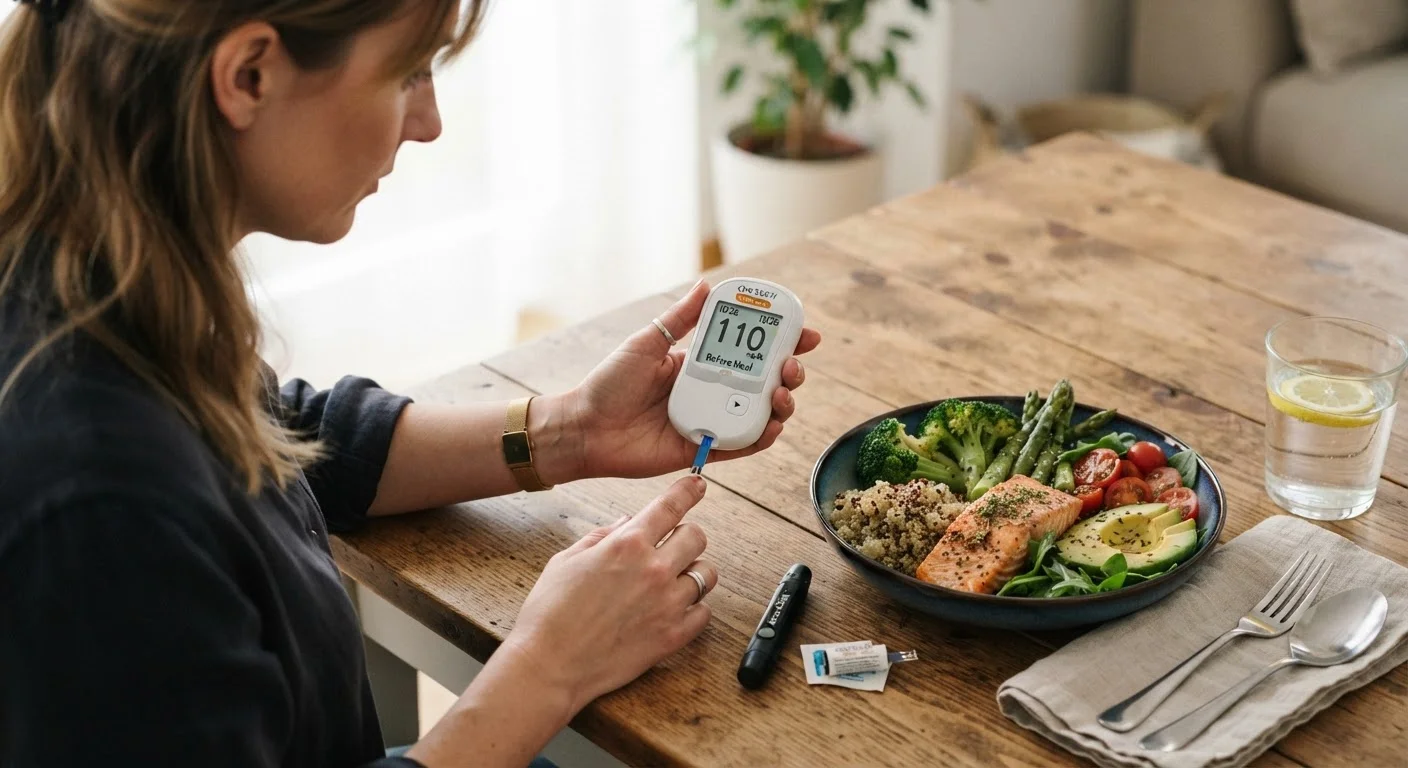
Type 2 Diabetes: Understanding Risk, Diagnosis, and Daily Management
A thorough look at how type 2 diabetes develops, how it is diagnosed, and the lifestyle habits that support blood sugar …
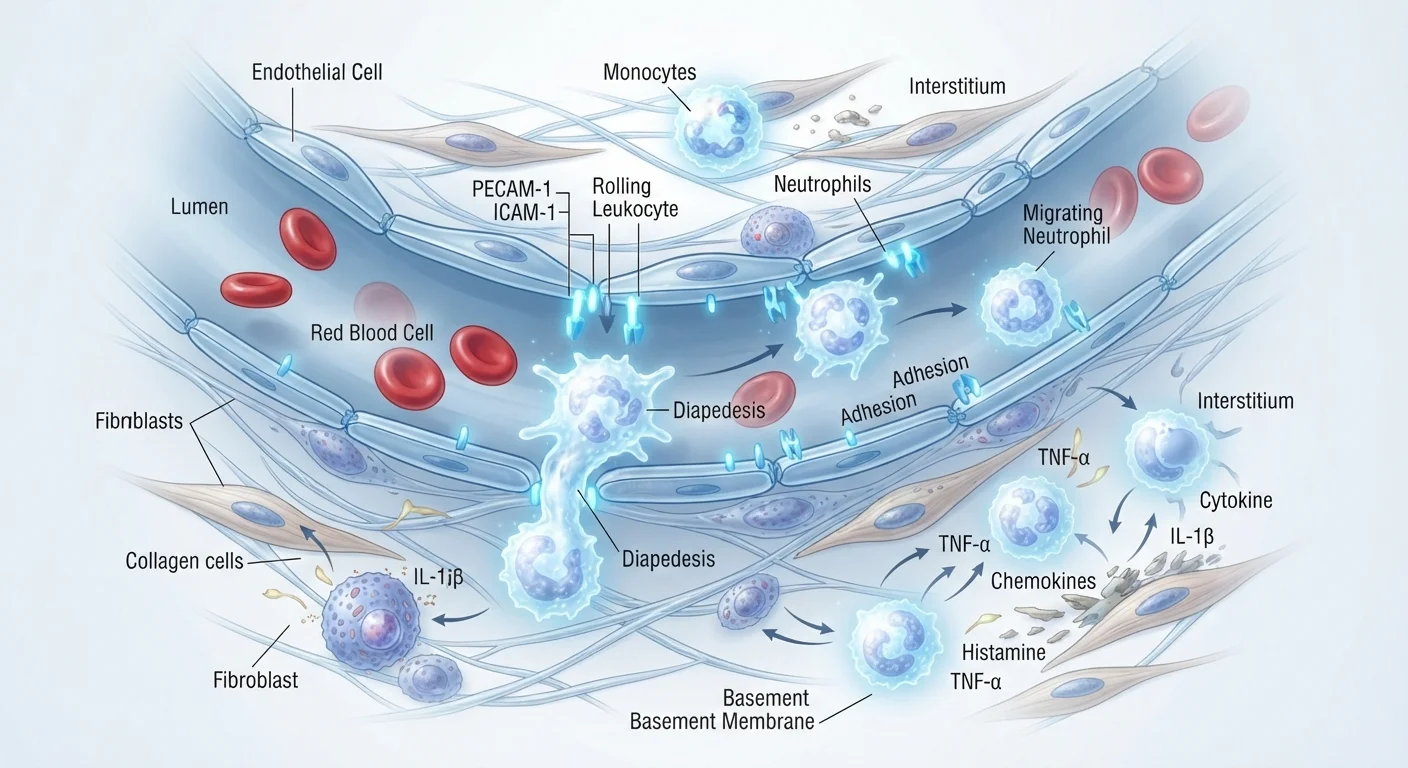
What Inflammation Actually Does Inside Your Body
Acute vs. chronic inflammation explained in plain terms, including what triggers it and why it matters for long-term hea…

Bodyweight Training: A Full-Picture Look at Working Out Without Equipment
Bodyweight workouts are accessible and effective, but they have real limitations too. Here is an honest look at what the…

Building a Home Workout Space on a Realistic Budget
You do not need a full gym to exercise at home. Learn what space, flooring, and equipment genuinely matter for effective…

Building an Exercise Habit That Sticks Past the First Month
Why most fitness routines stall after a few weeks, and the practical strategies that help everyday people keep showing u…

Exercise and Sleep: How Physical Activity Affects Rest Quality
Movement and sleep are deeply connected. Learn how timing, intensity, and type of exercise can support or disrupt your n…
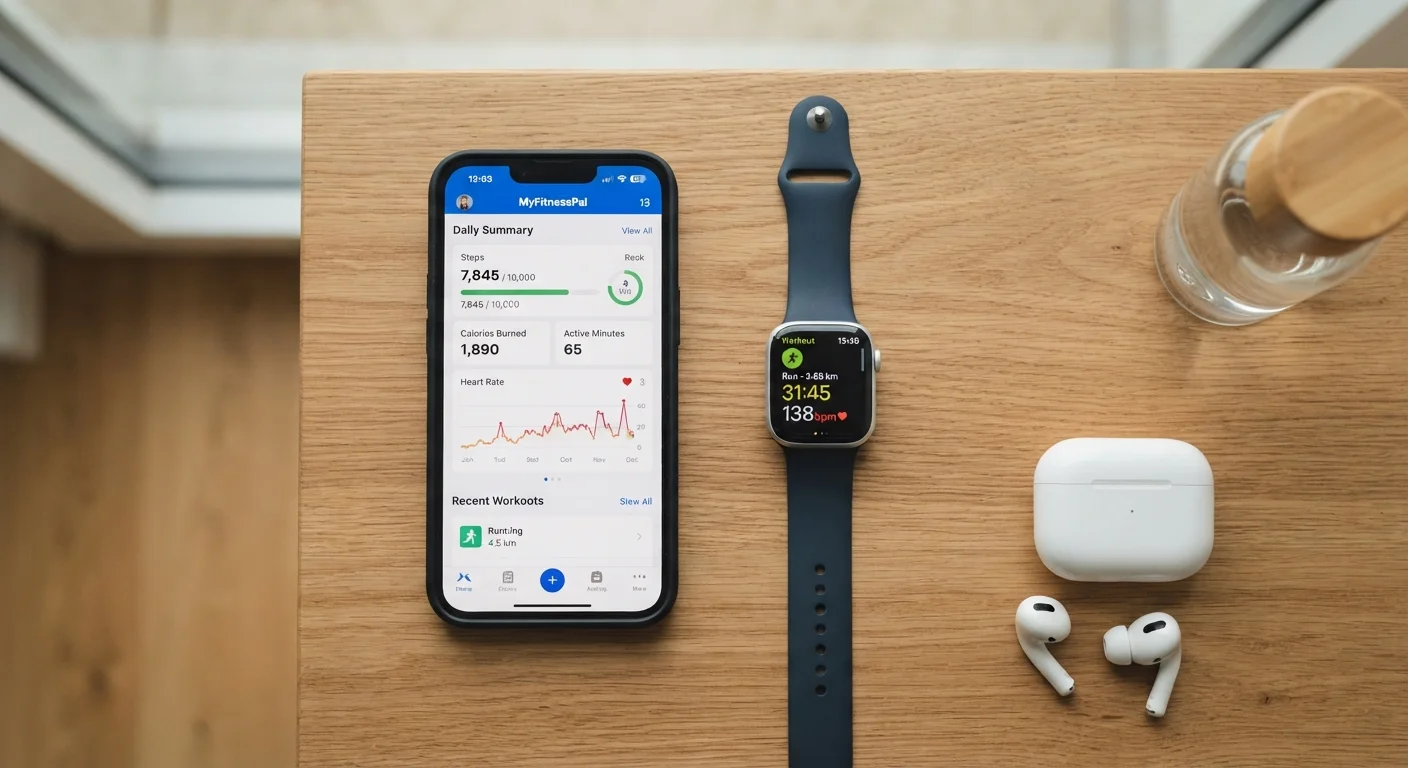
Fitness Tracking Apps vs. Wearables: Two Approaches to Monitoring Movement
Smartphone apps and wearable devices both track your activity, but in different ways. Compare what each offers and which…

Low-Impact Workouts Across Every Fitness Level
Low-impact exercise is not just for beginners or people with injuries. Explore a range of options that protect your join…

Resting Heart Rate: What Your Everyday Number Reveals About Fitness
Your resting heart rate is a simple but telling health marker. Learn what the numbers generally mean, how to measure the…

Short Workouts vs. Long Sessions: What the Research Actually Says
Is a 20-minute workout worth your time? A balanced look at how workout duration affects fitness gains, recovery, and dai…

Signs Your Exercise Routine Is Actually Working
Scale weight is just one metric. Learn the broader physical and behavioral signals that suggest your fitness routine is …

Starting a Walking Routine When You Have Not Exercised in Years
A practical, low-pressure guide to building a walking habit from scratch, including how far to go, how often, and how to…

The Physical and Mental Case for Adding Flexibility Work to Your Week
Flexibility training is often skipped in favor of cardio or strength work. Here is what the evidence says it actually co…

The Real Reason Your Workout Motivation Keeps Disappearing
Motivation alone is an unreliable fitness strategy. Learn why it fluctuates and which evidence-backed habits actually ke…

Training Through Soreness: When to Push and When to Rest
Muscle soreness after exercise is normal, but knowing whether to keep going or take a break is a skill worth developing.…

Warming Up Before Exercise: What Actually Matters and What Does Not
A proper warm-up can reduce injury risk and improve performance, but not all warm-up rituals are equally useful. Here is…

What Aerobic Capacity Really Means and Why It Matters
VO2 max, aerobic base, cardiovascular fitness: a plain-language breakdown of what these terms mean and why they matter f…

What to Know Before Starting a Group Fitness Class
Group classes can be motivating, but walking in unprepared makes them harder than they need to be. Use this checklist to…
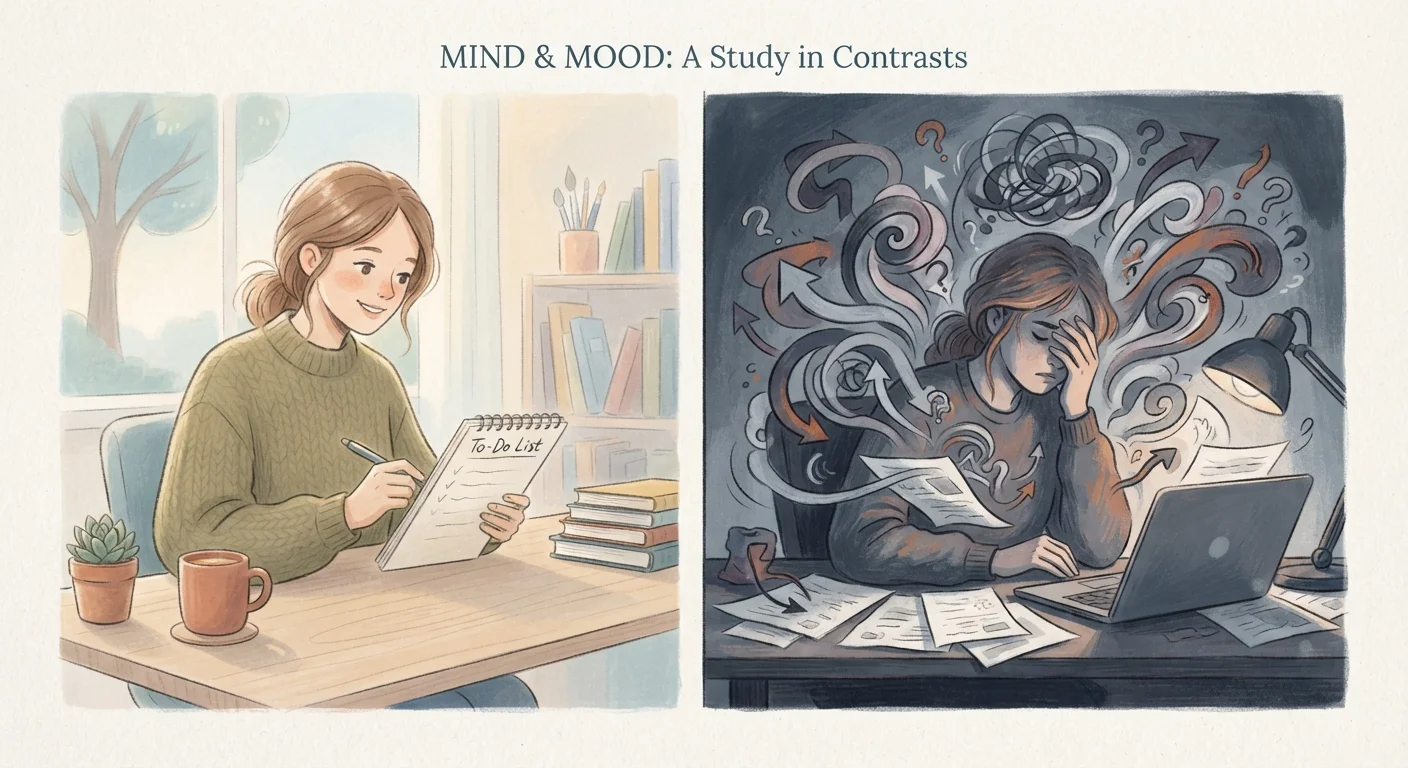
Anxiety vs. Worry: Two Words People Use Interchangeably That Mean Very Different Things
Worry and anxiety are not the same experience. Understanding how they differ can help you respond to each one more effec…

Cognitive Behavioral Therapy vs. Mindfulness: Different Paths to Managing Anxious Thoughts
A clear comparison of CBT and mindfulness approaches to anxiety, covering what each involves, the evidence behind them, …

Emotional Regulation: A Plain-Language Guide to Understanding Your Reactions
What emotional regulation means, why some people find it harder than others, and evidence-informed strategies anyone can…

How Exercise Affects Mood: Separating the Evidence from the Hype
What the science actually supports about physical activity and mental health, including what types of movement help, how…
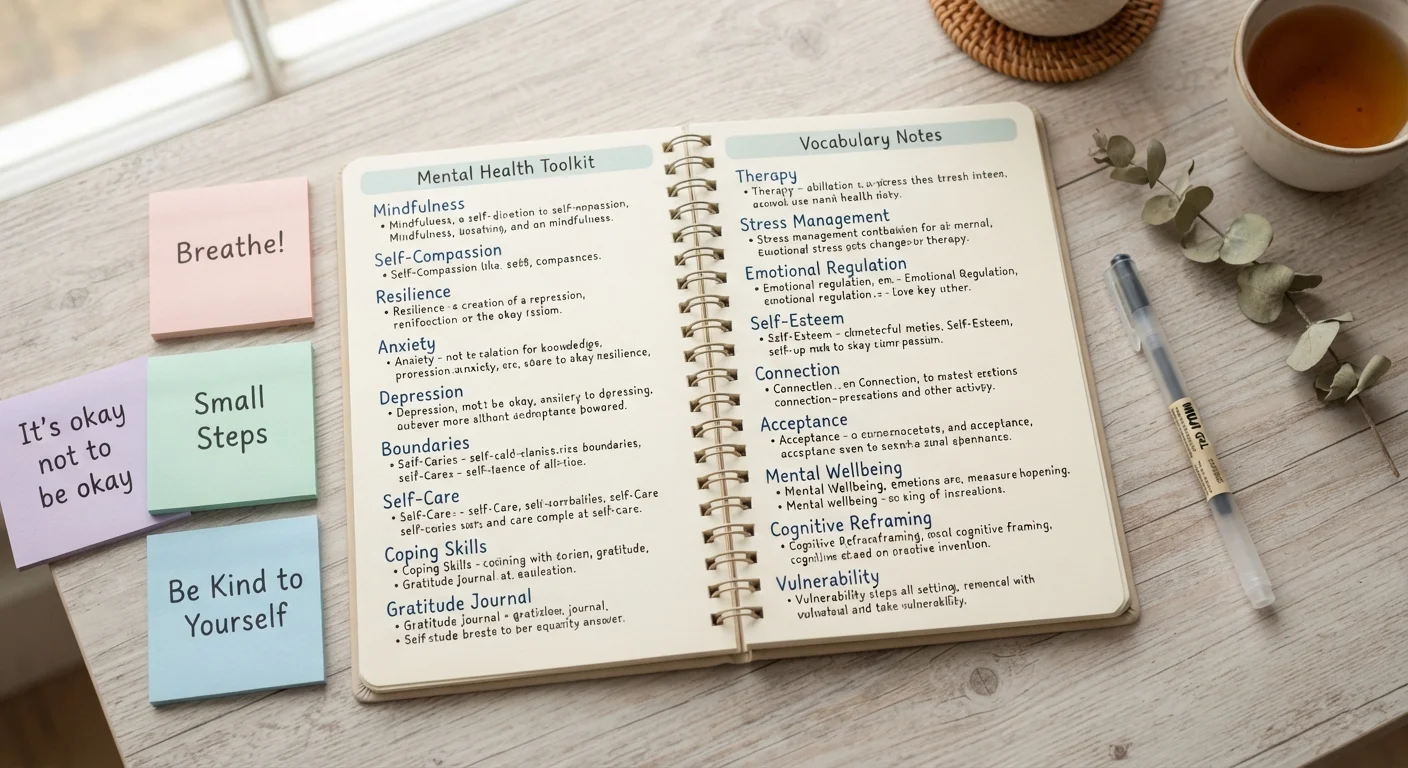
Key Mental Health Terms You'll Encounter in Everyday Conversations
A quick-reference glossary of common mental health vocabulary, from anxiety and burnout to resilience and psychotherapy,…

Meditation vs. Relaxation Techniques: What Each One Asks of You
Meditation and relaxation methods are often lumped together, but they work differently and suit different people. Here's…

Mental Wellness: A Comprehensive Overview from Stress to Resilience
A thorough educational guide to mental wellness covering stress, sleep, emotion regulation, social health, and when to s…

Rumination: Why Your Mind Replays the Same Thoughts and What Interrupts the Loop
Repetitive negative thinking is a key feature of several mental health challenges. Learn what drives rumination and whic…

Self-Compassion in Practice: Moving Past the Idea Into Daily Life
Self-compassion is well-supported by research, but applying it is not always intuitive. Here is how everyday people can …

Setting Boundaries: What It Really Means and Why It's So Hard
A grounded explanation of what personal boundaries are psychologically, why people struggle to set them, and how to appr…

Sleep Habits That Undermine Your Mental Health Without Warning
Seemingly harmless sleep behaviors, like weekend catch-up sleep and late-night scrolling, can quietly disrupt mood and c…

Sustainable Habits for Protecting Your Emotional Well-Being Long Term
Evidence-informed practices for maintaining mental wellness over time, covering movement, rest, connection, and stress r…

The Sleep Science Most People Skip Over
From sleep stages to circadian rhythms, here's what researchers actually know about why we sleep and what happens when w…

What Happens in Your Brain During Chronic Stress
Chronic stress reshapes brain structure and chemistry over time. Learn what the science says about cortisol, the amygdal…

When Feeling Busy Becomes a Mental Health Problem
Why chronic overload and glorified busyness can quietly erode emotional well-being, and how to recognize the signs befor…

Why Breathing Exercises Work, and How to Use Them Effectively
The physiological reasons controlled breathing affects stress and anxiety, plus practical techniques grounded in what re…