
What Inflammation Actually Does Inside Your Body
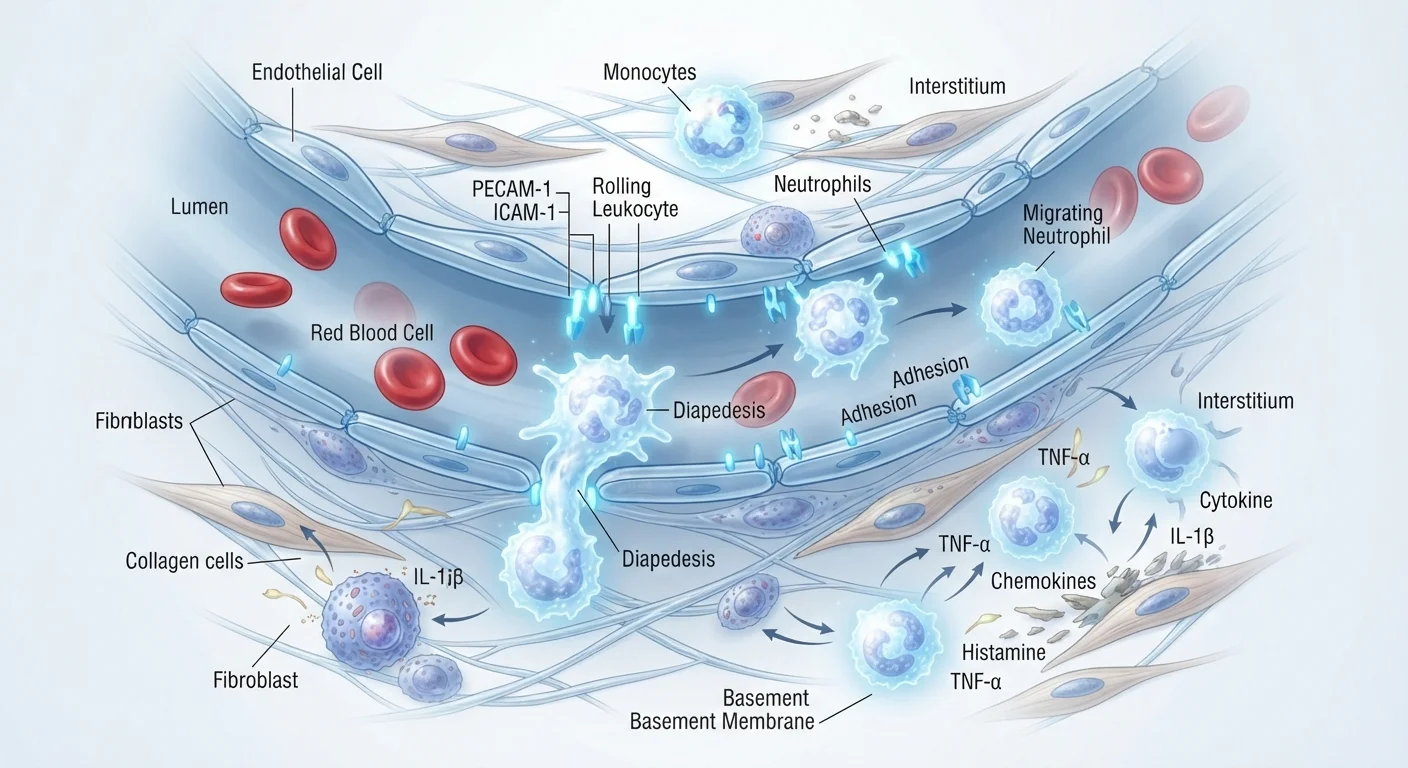
Photo credit: TrendingFaqs.com
In this article
Acute vs. chronic inflammation explained in plain terms, including what triggers it and why it matters for long-term health.
Key Takeaways
- Acute inflammation is a normal, necessary immune response that typically resolves within days.
- Chronic inflammation persists silently and is linked to conditions including heart disease, diabetes, and certain cancers.
- Diet, physical activity, sleep, and stress all influence how much background inflammation the body carries.
- Most anti-inflammatory strategies are grounded in general healthy lifestyle habits, not extreme interventions.
- A healthcare provider should evaluate persistent inflammation, since it can signal an underlying condition.
The two types of inflammation
When a splinter punctures your finger or a virus enters your airways, the body does not wait. Within minutes, immune cells rush to the site, blood vessels widen, and fluid carrying repair proteins floods the area. The result is warmth, redness, swelling, and sometimes pain. These are signs that acute inflammation is doing exactly what it should.
Acute inflammation is time-limited. Once the threat is neutralized, anti-inflammatory signals tell the immune system to stand down and switch to tissue repair. This process typically resolves within a few hours to several days, depending on the severity of the trigger.
Chronic inflammation works differently. Instead of resolving, the immune system stays partially activated for months or years. The triggers vary: persistent infections, autoimmune conditions, obesity, smoking, or sustained psychological stress can all keep inflammatory pathways switched on. Because the response is low-grade, many people have no obvious symptoms until measurable damage has accumulated in tissues or organs.
Inflammation is not always the problem
It can be tempting to frame all inflammation as harmful, but the acute form is necessary for survival. Without it, small infections could become life-threatening and wounds would not heal properly. The concern in health research is specifically with chronic, unresolved inflammation, not with the body's normal short-term immune responses.
What inflammation looks like at the cellular level
When tissue is injured or a pathogen is detected, cells at the site release chemical signals called cytokines. These molecules travel through the bloodstream and recruit neutrophils and macrophages, two types of white blood cells whose job is to engulf pathogens, clear debris, and release additional signals to coordinate the response.
Blood vessels near the site become more permeable, allowing immune proteins and fluid to move into the tissue. This is why a swollen ankle after a sprain feels warm and looks puffy. The increased fluid brings the tools needed for repair, but it also compresses nearby nerves, which is what causes the characteristic pain.
In chronic inflammation, macrophages remain active in tissues over long periods. They continuously release low levels of cytokines and reactive oxygen species. Over time, this sustained chemical environment can damage the walls of blood vessels, alter how cells process glucose, and interfere with normal organ function.
How chronic inflammation connects to disease
The connection between chronic inflammation and major diseases is one of the more consistent findings in modern biomedical research. Cardiovascular disease, type 2 diabetes, certain cancers, Alzheimer's disease, and inflammatory bowel conditions all involve chronic inflammatory processes, though the causal pathways differ across these conditions.
In cardiovascular disease, persistent inflammation in artery walls contributes to the buildup of plaques. Immune cells that infiltrate these plaques can make them unstable, increasing the risk of rupture and clotting events. In type 2 diabetes, chronic low-grade inflammation interferes with insulin signaling in fat and muscle tissue, reducing the body's ability to regulate blood glucose.
~60%
Adults with a chronic disease linked to inflammation
The U.S. Centers for Disease Control and Prevention estimates that roughly 6 in 10 American adults have at least one chronic condition, many of which involve inflammatory processes.
3x
Higher CRP risk tied to cardiovascular events
Research published in medical literature has associated high-sensitivity CRP levels above 3 mg/L with approximately three times the cardiovascular disease risk compared to levels below 1 mg/L.
30%
Reduction in inflammatory markers with regular exercise
Multiple studies have found that consistent moderate aerobic exercise can reduce circulating C-reactive protein by up to 30 percent compared to sedentary baselines.
Autoimmune diseases represent a specific category where the immune system misidentifies the body's own cells as threats. In conditions such as rheumatoid arthritis and lupus, this misdirected inflammation causes direct tissue destruction. These conditions require ongoing medical management and are distinct from lifestyle-related chronic inflammation, though they illustrate how costly sustained immune activation can be.
What genuinely influences your body's inflammatory state
Lifestyle factors have a meaningful effect on background levels of inflammation, and the evidence here is consistent enough to inform general guidance. Diet is the area where most attention falls. Eating patterns high in vegetables, whole grains, legumes, fish, and unsaturated fats are associated with lower circulating inflammatory markers. Diets dominated by ultra-processed foods and added sugars are associated with higher ones. No single food controls inflammation; the overall pattern matters.
Physical activity is another factor with strong evidence behind it. Regular moderate exercise reduces circulating levels of several pro-inflammatory cytokines and is associated with lower C-reactive protein (CRP) levels over time. Sleep deprivation, even over just a few nights, raises inflammatory markers measurably. Chronic psychological stress activates the hypothalamic-pituitary-adrenal axis and keeps cortisol elevated, which over time dysregulates immune responses and sustains low-grade inflammation.
Smoking damages blood vessel walls and creates a persistent inflammatory environment. Excess body fat, especially visceral fat around abdominal organs, actively secretes inflammatory cytokines, which partly explains why obesity is an independent risk factor for several chronic diseases.
This article is for informational purposes only and is not medical advice. Always consult a qualified healthcare provider for questions about your personal health.
Frequently Asked Questions

Author
Health Editorial Team
Health Editorial Team is the collective byline for our editorial team and contributor network. Articles published under this byline or an editorial pen name are researched, written, and reviewed according to our editorial standards for clarity, consistency, and independence before publication.
View all articles →