
What Happens in Your Brain During Chronic Stress
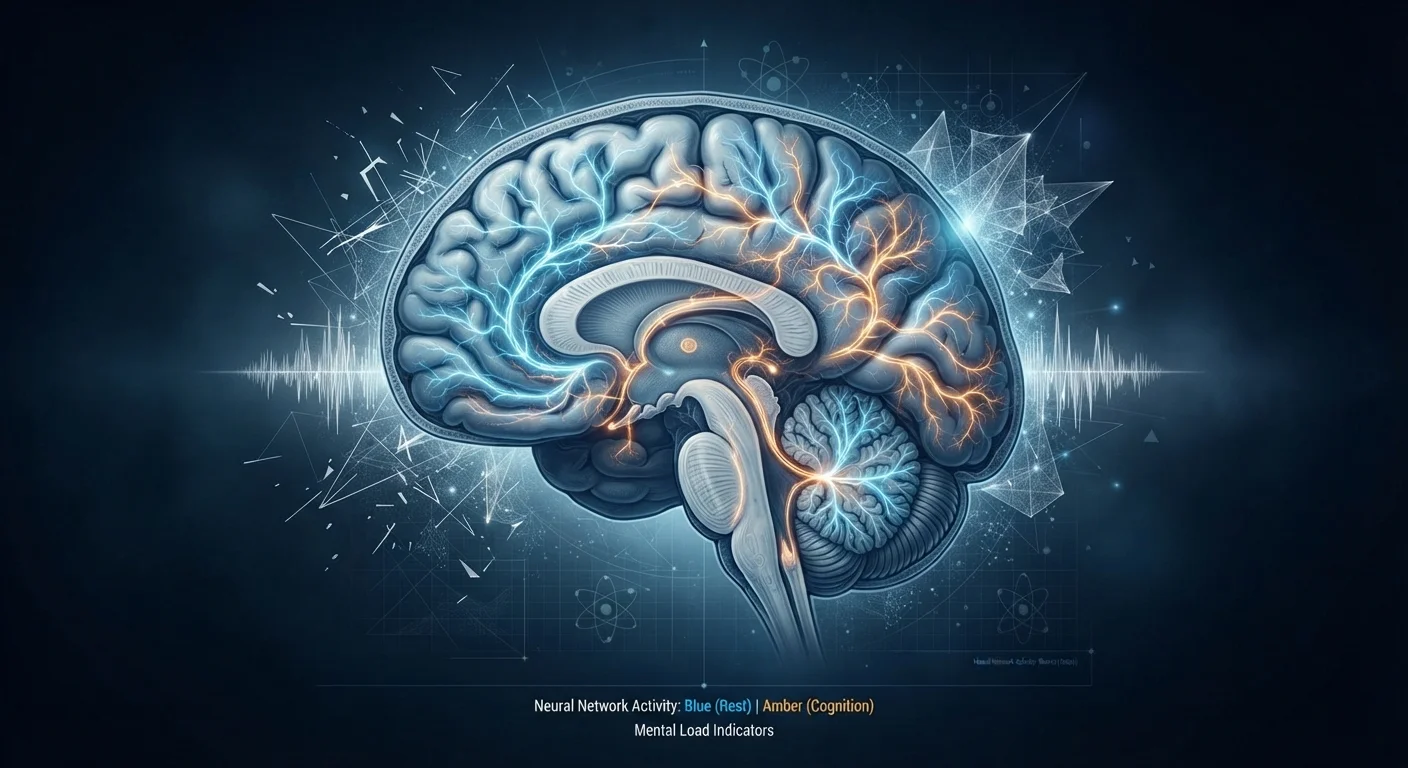
Photo credit: TrendingFaqs.com
In this article
Chronic stress reshapes brain structure and chemistry over time. Learn what the science says about cortisol, the amygdala, and long-term mental health.
Key Takeaways
- Cortisol, the primary stress hormone, directly affects brain regions involved in memory and emotion.
- The amygdala tends to become more reactive under chronic stress, amplifying fear and threat responses.
- The prefrontal cortex, which governs rational thinking, can shrink in volume with prolonged stress exposure.
- The hippocampus, critical for memory formation, is vulnerable to cortisol-driven cell damage.
- These changes are not permanent. The brain retains the ability to recover with targeted support.
The stress response and why it gets stuck
The human stress response evolved to handle immediate physical threats. When the brain perceives danger, the hypothalamus signals the adrenal glands to release cortisol and adrenaline, preparing the body for rapid action. Once the threat passes, these hormone levels drop and the body returns to baseline.
Chronic stress disrupts this cycle. When stressors are persistent, whether financial pressure, workplace conflict, caregiving demands, or social isolation, the system stays switched on. Cortisol levels remain elevated instead of returning to normal, and the brain begins adapting to what it perceives as a continuously dangerous environment. Those adaptations have real structural and chemical consequences.
For a broader view of how stress fits into mental wellness, see the comprehensive mental wellness overview covering stress, sleep, and resilience.
What cortisol does inside the brain
Cortisol interacts with receptors throughout the brain, and three regions are especially affected: the amygdala, the prefrontal cortex, and the hippocampus.
The amygdala processes emotional responses, particularly fear and threat detection. Under chronic stress, cortisol exposure causes the amygdala to grow more reactive and, in some cases, physically larger. The result is a brain that registers threats more quickly and more intensely, even when objective danger is low.
The prefrontal cortex is responsible for planning, impulse control, and rational appraisal of situations. Research published in neuroscience literature has found that prolonged stress reduces the density of synaptic connections in this region and can shrink its gray matter volume. This makes it harder to override instinctive fear responses or think clearly under pressure.
The hippocampus consolidates memories and helps contextualize experiences. It contains a high concentration of cortisol receptors, which makes it particularly sensitive to sustained hormone exposure. Neuroimaging studies have shown reduced hippocampal volume in people with histories of prolonged stress and stress-related conditions like post-traumatic stress disorder.
Up to 20%
Reduction in hippocampal volume linked to chronic stress
Neuroimaging research has documented hippocampal volume reductions of this magnitude in individuals with prolonged stress-related conditions such as PTSD, according to studies reviewed in psychiatric neuroscience literature.
3x
Greater amygdala activation under chronic stress vs. acute stress
Research in stress neuroscience has found that chronic stress produces disproportionate amygdala responses compared to short-term stress exposure, amplifying emotional reactivity over time.
77%
Of U.S. adults who report physical or emotional stress symptoms
According to the American Psychological Association's recurring Stress in America survey, the substantial majority of American adults report experiencing stress-related symptoms regularly.
The neuroplasticity angle: damage and recovery
Neuroplasticity, the brain's capacity to reorganize its structure and connections, works in both directions. Chronic stress can prune synaptic connections and suppress the formation of new neurons in the hippocampus. The same mechanism, however, means the brain retains potential for repair.
Animal research and human studies have both found that aerobic exercise promotes the release of brain-derived neurotrophic factor (BDNF), a protein that supports neuron survival and the growth of new connections. Consistent sleep, which is frequently disrupted by chronic stress, is when the brain clears metabolic waste and consolidates learning. Mindfulness-based practices have been associated with measurable changes in amygdala reactivity and prefrontal cortex thickness in multiple studies.
None of this means stress-related brain changes simply reverse on their own. Recovery takes time and, for many people, professional support. The point is that the biology is not fixed.
Simple habits that support brain recovery
Consistent aerobic exercise, even 20 to 30 minutes of brisk walking on most days, is one of the most studied ways to support BDNF production and hippocampal health. Protecting sleep by keeping a regular bedtime helps the brain regulate cortisol cycles more effectively. If stress feels unmanageable, a licensed mental health professional can help identify targeted strategies appropriate to your situation.
What this means for everyday mental health
Understanding that chronic stress physically reshapes the brain helps explain why it is not something a person can simply decide to push through. When the prefrontal cortex is functionally weakened, rational reassurance is harder to access. When the amygdala is hyperreactive, everyday situations can feel disproportionately threatening. These are not character flaws. They are biological adaptations to a sustained threat state.
Practical steps that align with the neuroscience include prioritizing sleep consistency, incorporating regular physical movement, reducing or managing ongoing stressors where possible, and maintaining social connection. Talking with a mental health professional, whether a therapist, psychologist, or psychiatrist, is appropriate when stress is impairing daily function or has persisted for an extended period.
This article provides general health information and is not a substitute for advice from a qualified healthcare provider. If you are experiencing significant stress or mental health symptoms, speak with a licensed professional.
Frequently Asked Questions

Author
Health Editorial Team
Health Editorial Team is the collective byline for our editorial team and contributor network. Articles published under this byline or an editorial pen name are researched, written, and reviewed according to our editorial standards for clarity, consistency, and independence before publication.
View all articles →