
High Blood Pressure Numbers and What They Mean
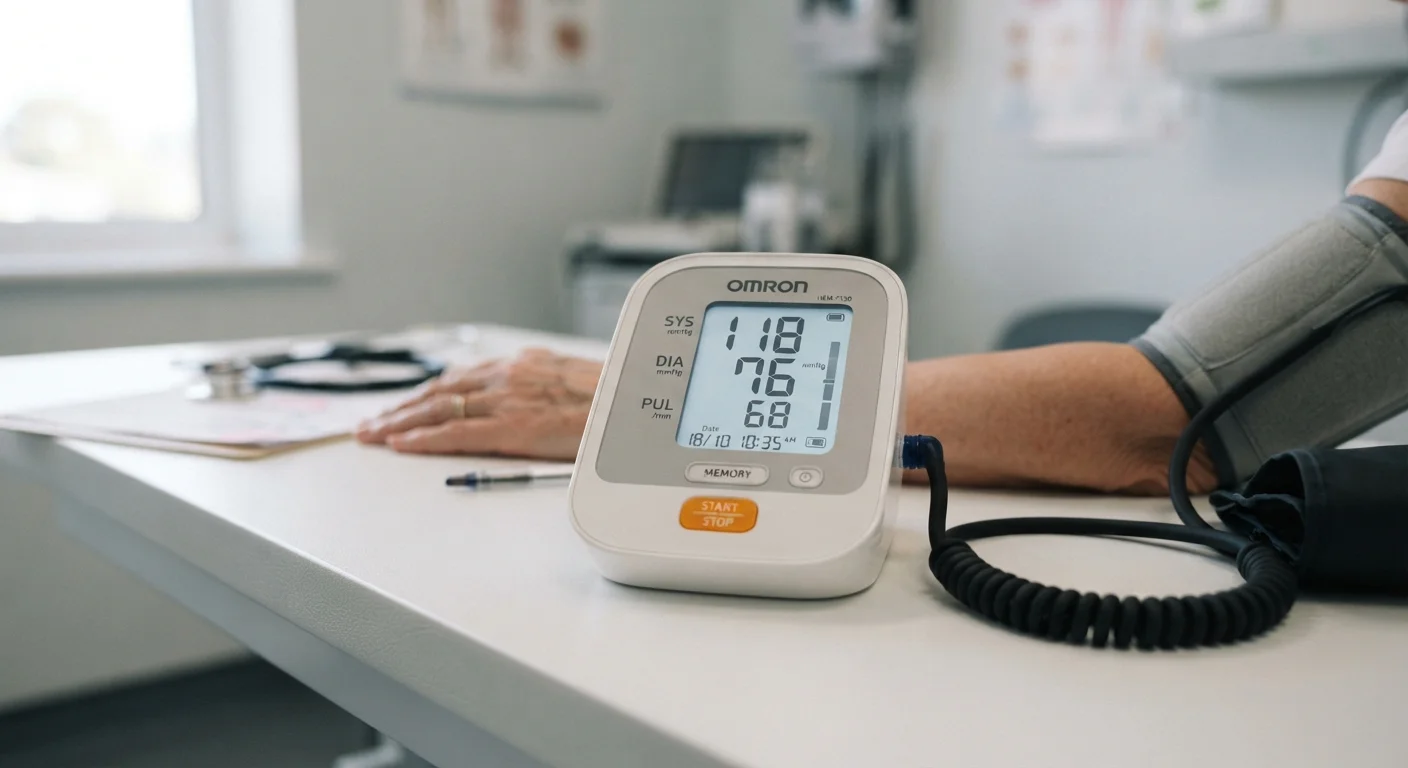
Photo credit: TrendingFaqs.com
In this article
Understand systolic and diastolic readings, what the ranges signal, and when to talk to a doctor about your blood pressure.
What the two numbers actually measure
A blood pressure reading is written as two numbers separated by a slash, such as 118/76 mmHg. The top number is the systolic pressure and the bottom is the diastolic pressure. Both numbers appear in every reading, and both matter.
Systolic pressure captures the peak force created when your heart contracts and pushes blood into your arteries. Diastolic pressure captures what remains in your arteries between beats, while the heart refills. Think of it as two separate measurements taken in rapid succession during a single cuff inflation.
Neither number alone tells the complete picture. A person can have a normal systolic reading but an elevated diastolic one, or the reverse. Clinicians look at both when classifying blood pressure and deciding whether further evaluation is warranted.
Systolic pressure
The top number in a blood pressure reading. It measures the force your heart exerts on artery walls each time it beats and pumps blood.
Diastolic pressure
The bottom number in a blood pressure reading. It measures the pressure in your arteries between heartbeats, when the heart is at rest and refilling.
Hypertension
The medical term for high blood pressure, defined as a sustained reading at or above 130/80 mmHg according to current American Heart Association guidelines.
mmHg
Millimeters of mercury, the standard unit used to express blood pressure. It reflects the height a column of mercury would reach under the measured pressure.
Hypertensive crisis
A severe spike in blood pressure, typically above 180/120 mmHg, that requires prompt medical attention because of the risk of organ damage.
Hypotension
Abnormally low blood pressure, generally below 90/60 mmHg, which can cause dizziness, fainting, or inadequate blood flow to vital organs.
Blood pressure is also not a fixed number. It fluctuates throughout the day based on activity, stress, caffeine, posture, and even the time of measurement. A single high reading does not confirm a diagnosis; consistent elevation across multiple readings typically does. For context on other cardiovascular numbers, see cholesterol levels explained.
The standard ranges and what each signals
Clinical guidelines from the American Heart Association define four main categories:
| Normal blood pressure | Less than 120/80 mmHg (American Heart Association guidelines) |
| Elevated blood pressure | 120-129 systolic and less than 80 diastolic (American Heart Association guidelines) |
| Stage 1 hypertension | 130-139/80-89 mmHg (American Heart Association guidelines) |
| Stage 2 hypertension | 140/90 mmHg or higher (American Heart Association guidelines) |
| Hypertensive crisis threshold | Above 180/120 mmHg (American Heart Association guidelines) |
| Adults with hypertension in the U.S. | Approximately 47% (Centers for Disease Control and Prevention) |
- Normal: Below 120/80 mmHg. The heart is working efficiently and arteries are not under excess strain.
- Elevated: Systolic between 120 and 129 with diastolic still below 80. Not yet hypertension, but a sign that blood pressure is trending upward. Lifestyle changes are typically the first recommendation at this stage.
- Stage 1 hypertension: 130-139 systolic or 80-89 diastolic. A clinician will usually consider cardiovascular risk factors before recommending medication versus lifestyle changes alone.
- Stage 2 hypertension: 140/90 mmHg or higher. Medication is more commonly part of the management plan, alongside lifestyle modification.
- Hypertensive crisis: Above 180/120 mmHg. If accompanied by symptoms such as chest pain, shortness of breath, or sudden vision changes, this warrants emergency care.
Low blood pressure (hypotension) below 90/60 mmHg can also be a concern, particularly if it causes symptoms. Like elevated readings, it should be evaluated by a clinician rather than managed independently.
Why blood pressure matters beyond a single checkup
Sustained high blood pressure forces the heart to work harder and gradually damages artery walls. Over time, this raises the risk of heart attack, stroke, kidney disease, and vision problems. The process is typically silent, which is why hypertension is often described as a condition without obvious symptoms in its early stages.
47%
U.S. adults with high blood pressure
According to the Centers for Disease Control and Prevention, nearly half of American adults meet the clinical definition of hypertension.
1 in 5
Adults with hypertension unaware of their condition
The CDC estimates that roughly one in five people with high blood pressure do not know they have it, because the condition rarely causes noticeable symptoms.
Regular monitoring gives you and your doctor useful information over time. Home blood pressure monitors can support this, provided they are used correctly: sit quietly for five minutes before measuring, keep your arm at heart level, and take readings at the same time each day. Share a log of readings with your clinician rather than relying on a single result.
Blood pressure is also connected to other metabolic markers. Prediabetes and blood pressure often appear together, and addressing one frequently has a positive effect on the other. Similarly, resting heart rate is another number that, alongside blood pressure, gives a broader view of cardiovascular health.
Factors that influence your readings
Several variables routinely affect blood pressure and can shift a reading by 10 mmHg or more in either direction. Understanding them helps you get accurate measurements and interpret them honestly.
- Physical activity raises blood pressure temporarily; readings taken within 30 minutes of exercise reflect that spike, not your baseline.
- Caffeine and some medications (including certain decongestants and anti-inflammatory drugs) can elevate readings.
- Sodium intake affects how much fluid the body retains, which directly influences the pressure on artery walls.
- Chronic stress activates hormones that constrict blood vessels and raise systolic pressure.
- Age is a factor: arteries naturally stiffen over time, which tends to raise systolic readings even without other risk factors.
- Body weight, smoking, and physical inactivity each contribute independently to elevated readings over time.
White-coat hypertension, where readings are higher in a clinical setting than at home, is real and reasonably common. If your numbers are consistently elevated at a doctor's office but normal elsewhere, discussing ambulatory or home monitoring with your clinician is worthwhile.
This article is for general informational purposes only and does not constitute medical advice. Blood pressure management should be guided by a qualified healthcare provider based on your individual health history and circumstances.

Author
Health Editorial Team
Health Editorial Team is the collective byline for our editorial team and contributor network. Articles published under this byline or an editorial pen name are researched, written, and reviewed according to our editorial standards for clarity, consistency, and independence before publication.
View all articles →