
The Difference Between a Cold and the Flu
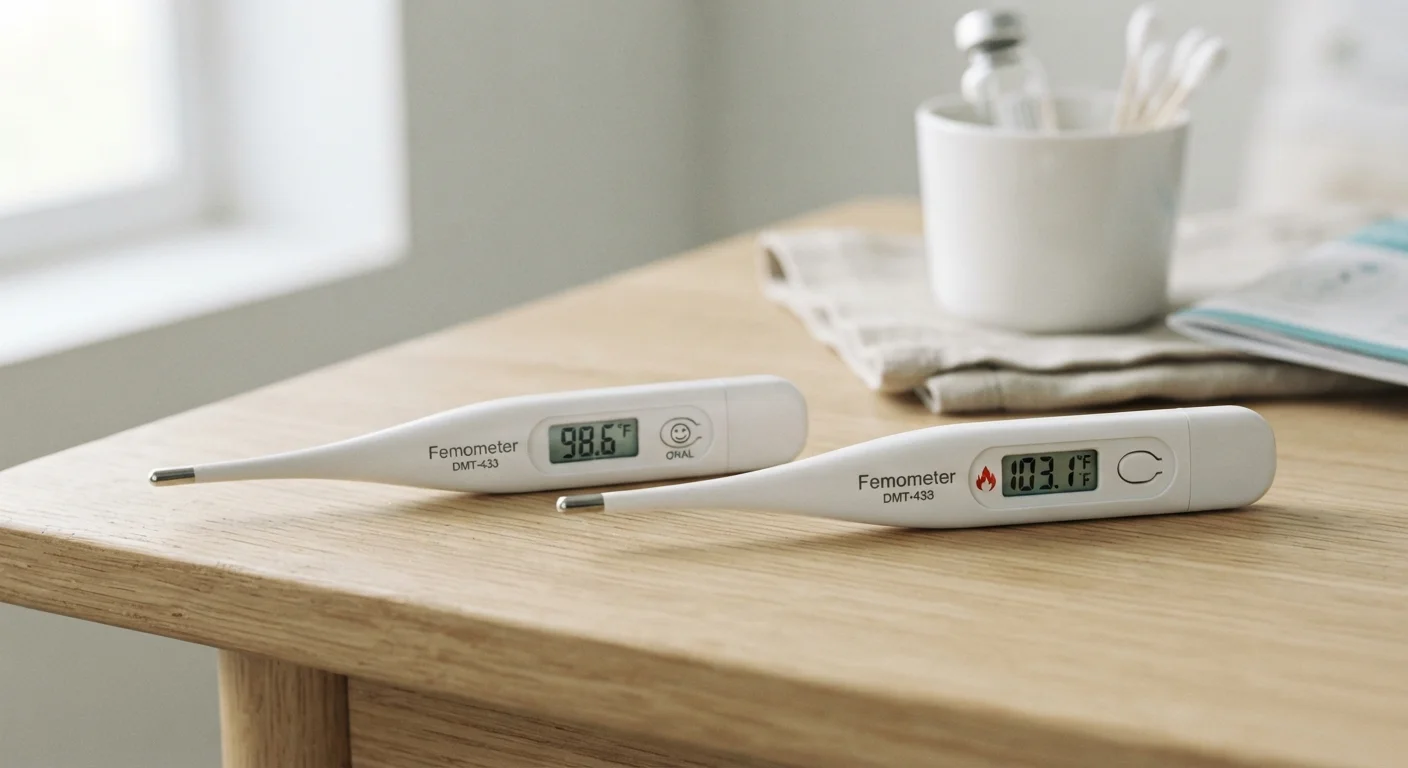
Photo credit: TrendingFaqs.com
In this article
Side-by-side look at symptoms, timelines, and when each illness warrants a doctor visit, so you can respond appropriately.
Key Takeaways
- Flu symptoms typically come on suddenly, while cold symptoms develop gradually over one to three days.
- A high fever above 100.4 degrees Fahrenheit is common with flu but rare with a cold.
- Antivirals such as oseltamivir can reduce flu duration if started within 48 hours of symptom onset.
- Most healthy adults recover from a cold in seven to ten days and from the flu in one to two weeks.
- Certain groups, including older adults and people with chronic conditions, face higher complication risk from flu.
- Annual flu vaccination is recommended by the CDC for most Americans aged six months and older.
How each illness starts
The speed of onset is the most reliable early signal. Flu arrives fast: many people describe feeling fine in the morning and genuinely ill by afternoon. Body aches, chills, and fatigue can appear within hours of the first sign of infection. A cold, by contrast, tends to announce itself gradually, often starting with a scratchy throat or mild congestion that builds over one to three days.
Both illnesses are caused by viruses and spread through respiratory droplets, but the pathogens differ. The common cold is most often caused by rhinoviruses, while influenza is caused by influenza A or B viruses. That biological difference is part of why the flu tends to produce a more aggressive immune response and more pronounced systemic symptoms.
| Criterion | Common Cold | Influenza |
|---|---|---|
| Onset | Gradual (1 to 3 days) | Sudden (within hours) |
| Fever | Rare in adults | Common, often above 100.4 F |
| Body aches | Mild or absent | Often severe |
| Fatigue | Mild | Pronounced, can last weeks |
| Runny or stuffy nose | Very common | Sometimes present |
| Sore throat | Common | Sometimes present |
| Cough | Mild to moderate | Can be severe |
| Typical recovery time | 7 to 10 days | 1 to 2 weeks |
| Antiviral treatment available | No | Yes, if started early |
Comparing symptoms side by side
Fever is one of the clearest distinguishing factors. The CDC notes that a high fever (typically 100.4 degrees Fahrenheit or above) is common with flu, particularly in children, but is uncommon in adults with a cold. Fatigue with the flu can be severe enough to keep a person in bed for several days, while cold-related fatigue is usually mild.
Nasal congestion and a runny nose are more prominent with a cold. A cough can appear with both illnesses, but flu-related coughs tend to be more intense and accompanied by chest discomfort. Sneezing is more associated with colds than with flu. Both conditions can cause a sore throat, though it appears more often and more severely with colds.
Gastrointestinal symptoms such as nausea, vomiting, or diarrhea occur in some flu cases, particularly in children. These symptoms are not a feature of the common cold. What is sometimes called "stomach flu" is a separate illness (gastroenteritis) and is not caused by influenza viruses.
Treatment and when to see a doctor
Most cold cases resolve with supportive care: rest, fluids, and over-the-counter symptom relief as needed. There is no antiviral treatment that targets common cold viruses. Antibiotics do not treat viral infections and should not be used for either a cold or uncomplicated flu.
Flu treatment is different. Prescription antiviral medications, including oseltamivir (Tamiflu) and others approved by the FDA, can shorten illness duration and reduce complication risk if started within 48 hours of symptom onset. The CDC recommends that high-risk individuals, including adults 65 and older, pregnant people, young children, and anyone with underlying health conditions, seek care promptly when flu is suspected.
Emergency warning signs for flu in adults, as outlined by the CDC, include difficulty breathing, persistent chest pain, confusion, severe vomiting, and symptoms that improve then suddenly worsen. These warrant immediate medical attention.
This article is for general informational purposes only and is not a substitute for professional medical advice, diagnosis, or treatment. Always consult a qualified healthcare provider with questions about any medical condition.

Author
Health Editorial Team
Health Editorial Team is the collective byline for our editorial team and contributor network. Articles published under this byline or an editorial pen name are researched, written, and reviewed according to our editorial standards for clarity, consistency, and independence before publication.
View all articles →