
Exercise and Sleep: How Physical Activity Affects Rest Quality
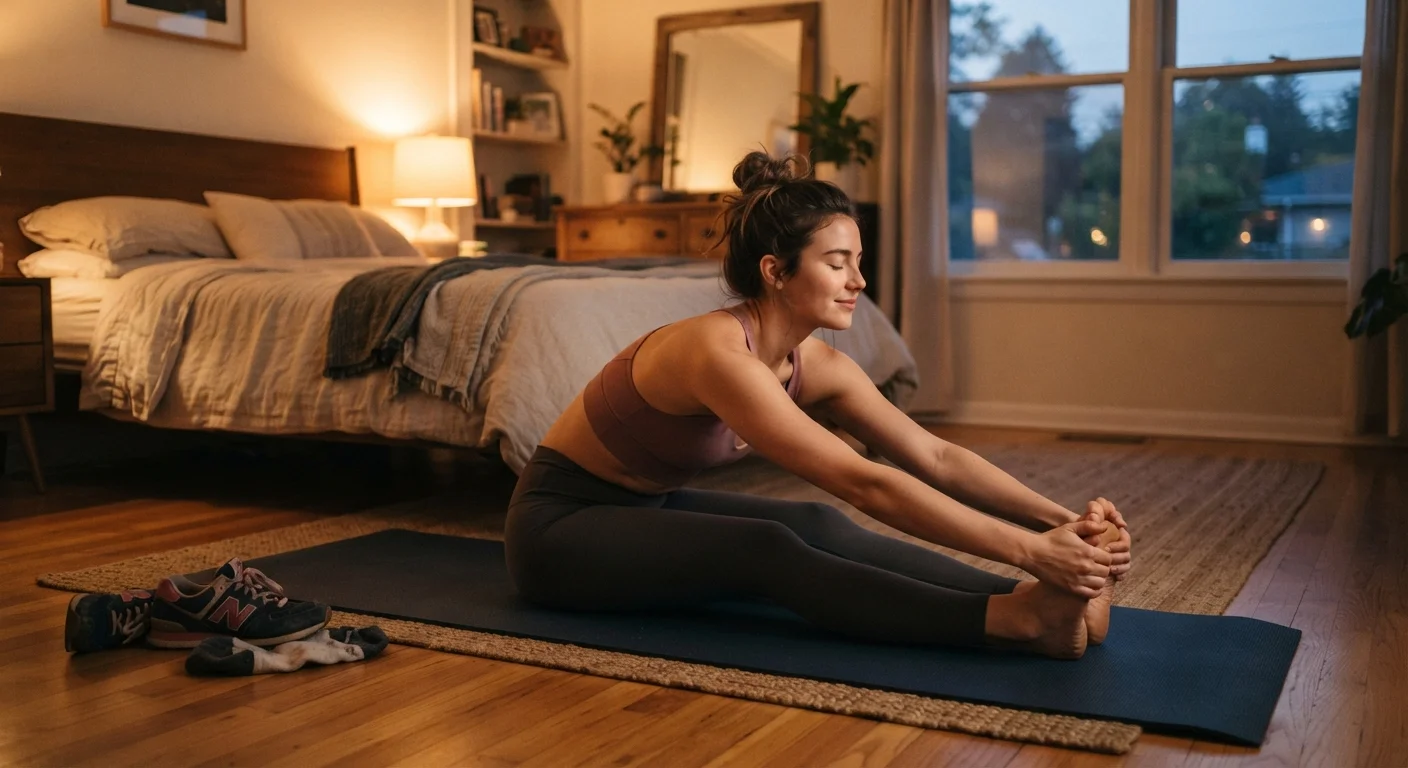
Photo credit: TrendingFaqs.com
In this article
Movement and sleep are deeply connected. Learn how timing, intensity, and type of exercise can support or disrupt your nightly rest.
Key Takeaways
- Regular moderate exercise is associated with faster sleep onset and deeper sleep stages.
- Timing matters: vigorous exercise close to bedtime can delay sleep for some people.
- Even a single session of moderate-intensity activity can improve sleep quality that same night.
- Low-impact movement like walking or yoga generally does not disrupt sleep regardless of timing.
- People with insomnia may see sleep benefits from consistent exercise over several weeks.
What the research actually shows
The connection between physical activity and sleep has been studied extensively. A consistent finding across multiple clinical trials and observational studies is that people who exercise regularly report better sleep quality, fewer nighttime awakenings, and greater daytime alertness than those who are sedentary. The effect holds across age groups, though the mechanisms involved differ somewhat between younger and older adults.
One well-cited area of research concerns aerobic exercise and slow-wave sleep. Deep, non-REM sleep is where the body repairs tissue, consolidates memory, and regulates hormones. Regular aerobic activity appears to increase the duration of this stage. Understanding how sleep stages work gives useful context for why this matters beyond simply feeling rested.
The benefits are not limited to long-term exercisers. A single moderate-intensity session has been associated with shorter sleep onset time that same night. This acute effect is smaller than the cumulative benefit of regular training, but it is real and measurable.
~29%
Reduction in sleep onset time with regular exercise
A meta-analysis published in Sleep Medicine Reviews found regular aerobic exercise reduced the time taken to fall asleep by roughly 29% compared to sedentary controls.
30 min
Moderate exercise needed for same-night sleep benefit
Research published in Mental Health and Physical Activity found a single 30-minute moderate-intensity aerobic session was associated with improved sleep quality that same night.
65%
Adults with insomnia who report sleep improvement from exercise
A review in the journal Sleep found approximately 65% of adults with chronic insomnia reported meaningful sleep improvements after a structured aerobic exercise program lasting several weeks.
Timing, intensity, and what to watch for
The question most people ask is whether exercising at night ruins sleep. The evidence is more nuanced than a simple yes or no. Moderate-intensity activity in the evening, such as a brisk walk or light cycling, does not appear to impair sleep for most people. Vigorous exercise, defined roughly as activity that makes sustained conversation difficult, is a different picture.
High-intensity workouts elevate core body temperature and stimulate the sympathetic nervous system. Body temperature naturally drops as part of the sleep-onset process, so if it remains elevated at bedtime, falling asleep can take longer. The effect varies considerably between individuals. Some people fall asleep without difficulty after a hard evening run; others notice clear delays. If you suspect evening workouts are affecting your rest, trying the same workout two to three hours earlier is a reasonable first step.
Morning exercise has a separate benefit worth noting: it can help anchor circadian rhythms, particularly when combined with early light exposure. This is especially relevant for people whose internal clocks run late. See our article on sleep habits that affect mental health for more on how daily timing patterns shape rest.
Exercise types and their effects
Aerobic exercise carries the strongest research support for sleep improvement. Walking, swimming, cycling, and similar sustained activities are associated with reduced sleep onset latency (the time it takes to fall asleep) and increased deep sleep. These benefits appear to build over weeks of consistent practice rather than appearing immediately.
Resistance training, including weight lifting and bodyweight exercises, also shows positive associations with sleep quality, though the research base is smaller than for aerobic work. Some studies note particular benefits for older adults, including longer total sleep time and fewer awakenings.
Yoga and mindful movement occupy a distinct category. Their sleep benefits likely operate through stress reduction and nervous system calming rather than temperature or adenosine pathways. Multiple studies have found yoga-based interventions improve self-reported sleep quality in adults dealing with stress, anxiety, or chronic pain. This makes them useful options for people who cannot tolerate higher-intensity activity or who exercise close to bedtime.
Physical activity also connects to mood regulation, which has its own downstream effect on sleep. The evidence on exercise and mood is relevant here for anyone whose sleep difficulties have an anxiety or stress component.
Practical considerations for different activity levels
For people who are largely sedentary, even modest increases in daily movement can produce noticeable sleep improvements. A 20- to 30-minute walk most days is enough to shift sleep patterns in a meaningful direction. The threshold for benefit is lower than most people assume.
For those already training regularly, the main consideration is recovery. Overtraining, defined as training volume that exceeds the body's ability to recover, disrupts sleep rather than improving it. Signs include waking during the night, early morning waking, and persistent fatigue despite adequate time in bed. Adjusting load and building in rest days resolves this in most cases.
The sleep environment also interacts with the benefits of exercise. A room that is too warm can blunt the temperature-drop signal that exercise creates. Practical guidance on bedroom temperature and sleep quality may be worth reviewing alongside any changes to your exercise routine.
Anyone managing a chronic condition, taking medications that affect heart rate or sleep, or experiencing persistent insomnia should discuss exercise changes with a healthcare provider before making significant adjustments.
This article is for general informational purposes only and is not medical advice. Consult a qualified healthcare professional for guidance specific to your health situation.
Frequently Asked Questions

Author
Health Editorial Team
Health Editorial Team is the collective byline for our editorial team and contributor network. Articles published under this byline or an editorial pen name are researched, written, and reviewed according to our editorial standards for clarity, consistency, and independence before publication.
View all articles →