
Low-Impact Workouts Across Every Fitness Level
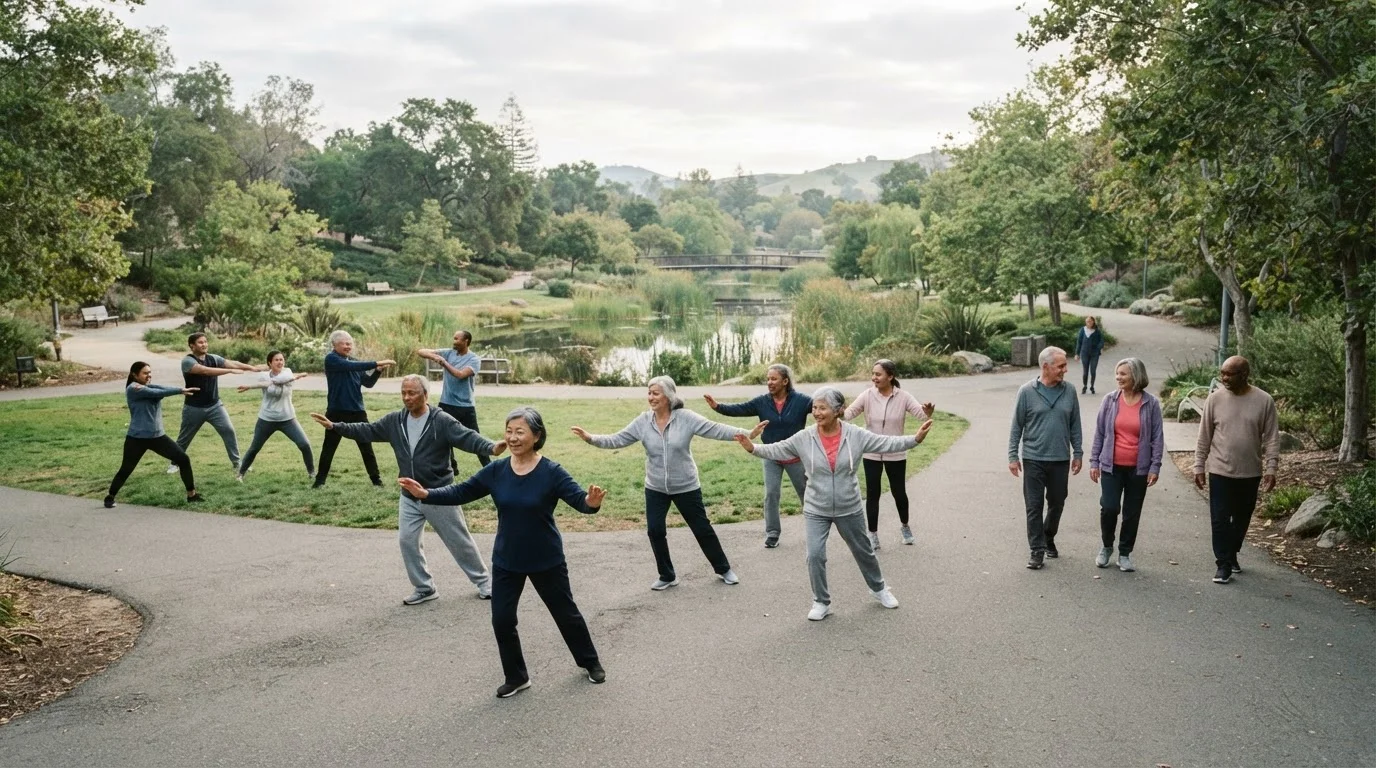
Photo credit: TrendingFaqs.com
Low-impact exercise is not just for beginners or people with injuries. Explore a range of options that protect your joints while still building real fitness.
Key Takeaways
- Low-impact exercise can build real cardiovascular fitness and strength without stressing your joints.
- Options range from water-based movement and walking to resistance training and yoga, suiting many ability levels.
- Beginners and experienced athletes alike benefit from including low-impact sessions in their weekly routine.
- Consistency over time matters more than intensity for long-term fitness outcomes.
- People managing chronic conditions or injuries should consult a healthcare professional before starting new exercise.
Why low-impact exercise deserves more credit
Low-impact exercise has a reputation problem. Many people associate it with rehabilitation or beginner routines, something to do until you are ready for "real" training. That framing is wrong. Low-impact movement can develop cardiovascular endurance, build muscle, improve balance, and support long-term joint health, regardless of where you start.
The defining feature of low-impact exercise is that at least one foot stays in contact with the ground (or your body stays supported), which reduces the force transmitted through your knees, hips, and spine with each movement. That is not a limitation; it is a design advantage. High-impact activities such as running and jumping produce ground reaction forces that can reach two to three times body weight. Lower force does not mean lower reward, it means lower injury risk for the same movement volume.
Whether you are new to exercise, returning after a break, managing a condition such as arthritis or osteoporosis, or simply looking for ways to train more days per week without breaking down, the workouts below offer real options. Warming up properly before any session still matters, even at lower intensities.
Walking with intention
Walking is the most accessible form of low-impact exercise and, at higher intensities, a legitimate cardiovascular workout. The distinction between a casual stroll and a brisk 20-minute walk is significant: pace, incline, and arm drive all change the physiological demand. Uphill walking or weighted walking (using a rucksack, a practice called rucking) increases intensity without adding impact.
Walking is also one of the most studied forms of exercise for metabolic health, blood pressure regulation, and mood. It requires no equipment beyond supportive footwear and can be done almost anywhere. For people with joint pain, flat terrain and well-cushioned shoes reduce load further.
Brisk walking at an incline is a genuine cardiovascular workout, not a consolation prize.
Swimming and pool-based exercise
Water reduces effective body weight by around 90 percent at chest depth due to buoyancy. That property makes aquatic exercise especially useful for people with arthritis, lower-back pain, or post-surgical recovery needs. Resistance in water is also omnidirectional, meaning muscles work against load in both the push and pull phases of a movement.
Swimming laps builds aerobic capacity and full-body muscular endurance. Aqua aerobics and water walking provide structured movement options for those who prefer not to swim. Pool temperature can matter: warmer water (around 83 to 88 degrees Fahrenheit) is generally more comfortable for people with arthritis or stiff joints.
Buoyancy reduces effective body weight by roughly 90 percent, making water an ideal environment for joint-friendly training.
Cycling, stationary and outdoor
Cycling loads the cardiovascular system substantially while keeping impact on the knees and hips low. Proper bike fit is important: saddle height, handlebar reach, and cleat alignment (for road cycling) affect whether the activity remains joint-friendly or creates new stress. A poorly fitted bike can produce knee pain that has nothing to do with impact.
Stationary cycling is useful because it removes variables like traffic, terrain, and weather. Indoor cycling classes add structured intervals that make the session more demanding. For older adults or those with balance concerns, a recumbent bike offers additional stability by supporting the lower back.
Proper bike fit determines whether cycling stays joint-friendly; the wrong setup can create new knee stress.
Resistance training with controlled movement
Strength training does not have to involve impact. Machine-based resistance training, resistance band work, and dumbbell exercises performed with controlled tempo keep load on the muscles and away from joints in the way that jumping or running cannot. Slow, deliberate movements also increase time under tension, which is a driver of muscle adaptation.
For beginners, resistance bands offer adjustable load with low injury risk. More advanced exercisers can use progressive overload (gradually increasing weight or resistance) to continue building strength over time. Session length matters less than consistency, and even two strength sessions per week produce measurable gains for most people.
Controlled resistance training builds strength without impact, and two sessions per week produce measurable results.
Yoga and Pilates
Both yoga and Pilates develop strength, flexibility, and body awareness using bodyweight and controlled movement. Neither involves impact. Yoga styles vary widely: restorative and yin yoga are gentle and suitable for almost any fitness level, while styles such as Ashtanga or power yoga are physically demanding even for experienced exercisers.
Pilates focuses on core stability, spinal alignment, and coordinated movement patterns. It has a strong evidence base for reducing chronic lower-back pain and improving functional movement in older adults. Both practices also support the range of motion that other low-impact activities depend on. See more on this in the article on flexibility training benefits.
Pilates has a solid evidence base for reducing chronic lower-back pain and improving functional movement.
Elliptical training
The elliptical trainer replicates a running-like motion without the foot ever leaving the pedal, which eliminates the impact phase entirely. Peak joint forces on an elliptical are substantially lower than on a treadmill at equivalent cardiovascular intensity, making it a common recommendation after lower-limb injuries.
Pushing and pulling the handles engages the upper body as well, increasing total muscle recruitment. Resistance and incline settings allow for interval training and progressive challenge over time. Because the motion is guided rather than free, there is less skill requirement than outdoor running, which suits people who are deconditioned or returning from injury.
Elliptical training delivers running-level cardiovascular effort with substantially lower joint forces.
Tai chi
Tai chi is a slow, flowing movement practice with origins in Chinese martial arts. It is performed at low intensity, involves no impact, and places minimal load on the joints. What it does require is balance, coordination, and sustained attention to body position, which makes it harder than it looks.
Research supports tai chi for improving balance and reducing fall risk in older adults, a finding replicated across multiple clinical trials. It also shows benefit for people with knee osteoarthritis, with some studies finding reductions in pain and improvements in physical function comparable to physical therapy. Classes are widely available, and modified versions can be performed seated.
Tai chi reduces fall risk in older adults and has shown clinical benefit for knee osteoarthritis.
Fitting low-impact work into your week
Low-impact sessions work well as standalone workouts or as recovery-day movement between higher-intensity training. If you currently do no structured exercise, starting with two or three sessions per week and building gradually is a reasonable approach; consult your doctor or a qualified exercise professional if you have a medical condition or have been sedentary for a long time.
Equipment needs are modest for most of these options. A pool, a stationary bike, or a set of resistance bands covers a wide range. For ideas on setting up a practical space at home, see building a home workout space on a realistic budget. If you want to complement low-impact cardio with strength work that needs no equipment at all, bodyweight training is worth understanding in full, including its limits. Adding flexibility work to your week rounds out the picture and supports the range of motion that most low-impact activities rely on.
Mixing low-impact and higher-intensity sessions
Low-impact workouts do not need to replace all higher-intensity training. Many athletes and active adults use them on recovery days to maintain movement without adding stress to healing tissue. If you are building a weekly routine, alternating intensity levels generally supports better recovery and reduces overuse injury risk compared with training hard every day.
This article is for general informational purposes only and is not medical advice. If you have a health condition, injury, or have been inactive for an extended period, speak with a qualified healthcare professional before beginning a new exercise program.

Author
Health Editorial Team
Health Editorial Team is the collective byline for our editorial team and contributor network. Articles published under this byline or an editorial pen name are researched, written, and reviewed according to our editorial standards for clarity, consistency, and independence before publication.
View all articles →