
Type 2 Diabetes: Understanding Risk, Diagnosis, and Daily Management
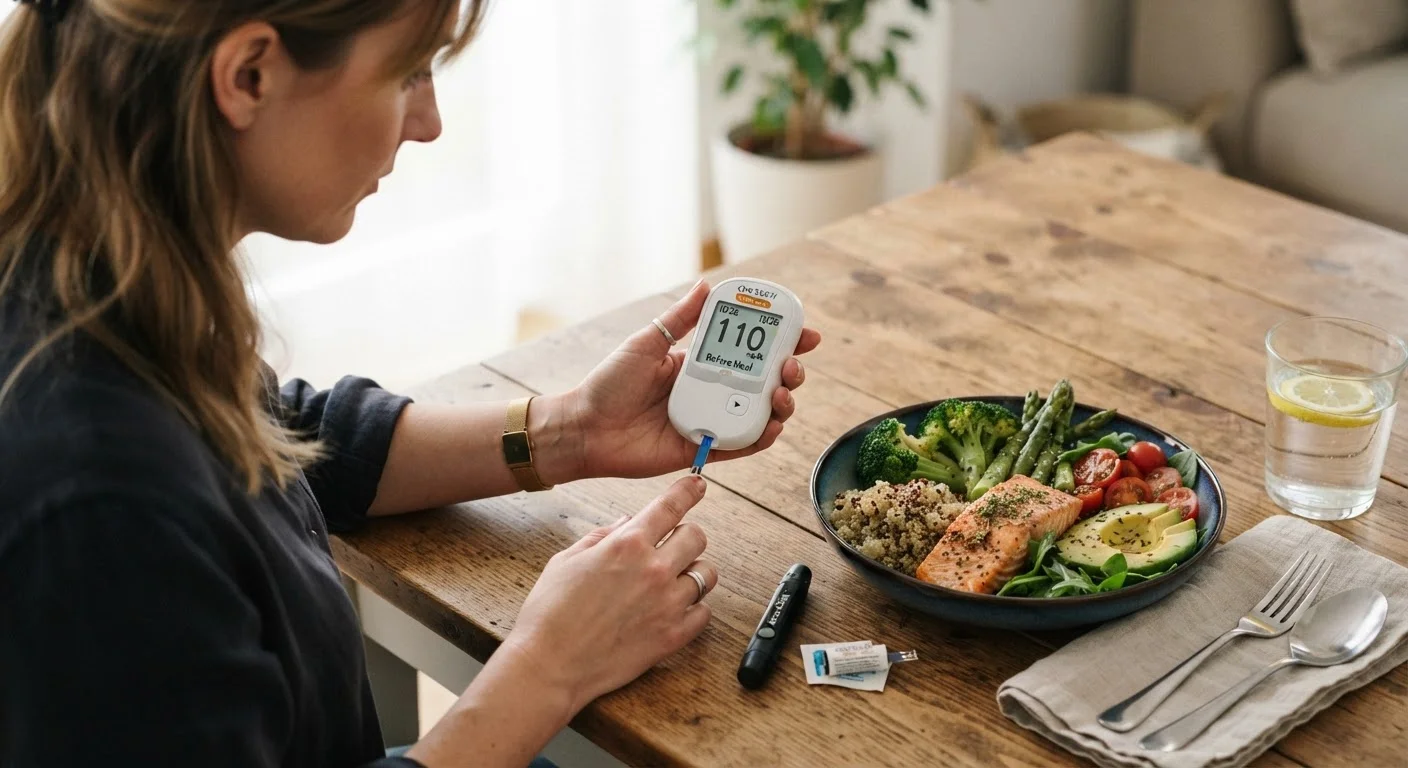
Photo credit: TrendingFaqs.com
In this article
A thorough look at how type 2 diabetes develops, how it is diagnosed, and the lifestyle habits that support blood sugar control.
Key Takeaways
- Type 2 diabetes develops when the body can no longer use insulin efficiently to regulate blood glucose.
- Several risk factors are modifiable through lifestyle changes, though genetics also play a role.
- Diagnosis relies on standardized blood tests, not symptoms alone, because many people have no symptoms early on.
- No single food is off-limits, but patterns of eating matter more than individual choices.
- Physical activity, sleep quality, and stress management all affect blood glucose independently of diet.
- Treatment is individualized; consult a qualified healthcare provider before making any changes to your care plan.
What type 2 diabetes is and how it develops
Type 2 diabetes is a chronic condition in which blood glucose levels remain higher than normal because the body's cells no longer respond adequately to insulin. Insulin is a hormone produced by the pancreas that allows glucose from food to enter cells and be used for energy.
In the early stages, the pancreas compensates by producing more insulin. Over time, the pancreas cannot keep pace with demand, and blood glucose rises persistently. This process, called insulin resistance, can develop over years before a diagnosis is made.
Chronically elevated blood glucose can damage blood vessels and nerves throughout the body, which is why complications involving the kidneys, eyes, heart, and feet are associated with poorly managed diabetes. Early diagnosis and consistent management reduce that risk substantially.
This article is for general informational purposes only and is not a substitute for personalized medical advice. Always consult a qualified healthcare provider for diagnosis, treatment, or any questions about your health.
Risk factors you can and cannot control
Understanding what raises the risk of type 2 diabetes helps identify who should be screened and what changes may lower long-term risk.
Non-modifiable risk factors
- Family history of type 2 diabetes in a first-degree relative
- Genetic ancestry (certain populations, including African American, Hispanic, Asian American, Pacific Islander, and Native American communities, have higher rates)
- Age 45 or older (though type 2 diabetes increasingly occurs in younger adults)
- History of gestational diabetes or polycystic ovary syndrome (PCOS)
Modifiable risk factors
- Excess body weight, particularly fat stored around the abdomen
- Physical inactivity
- Eating patterns high in ultra-processed foods and refined carbohydrates
- Smoking
- Chronically poor sleep
- Unmanaged high blood pressure and elevated cholesterol
If you have prediabetes, ask your provider about the CDC-recognized National Diabetes Prevention Program (National DPP). Clinical evidence shows that structured lifestyle intervention through this program can reduce progression to type 2 diabetes by about 58% in people at high risk.
The Diabetes Prevention Program Outcomes Study, a large randomized controlled trial, demonstrated this reduction compared to placebo, establishing lifestyle intervention as one of the most effective tools available before a diagnosis is made.
When reading nutrition labels, look at total carbohydrate grams rather than sugar alone. Fiber offsets some of the glycemic impact of total carbohydrates, so a food high in fiber but also in total carbs may affect blood glucose less than the label suggests.
Dietary fiber is not digested and absorbed the same way as other carbohydrates, so the net glucose load of high-fiber foods is lower, a principle used in both ADA dietary guidance and carbohydrate-counting approaches used by diabetes educators.
Prediabetes, in which blood glucose is above normal but below the diabetic threshold, affects roughly one in three American adults according to the Centers for Disease Control and Prevention (CDC). Most people with prediabetes are unaware of it, which makes regular screening important for anyone with one or more risk factors.
How type 2 diabetes is diagnosed
Type 2 diabetes is diagnosed through blood tests ordered by a healthcare provider. Symptoms such as increased thirst, frequent urination, or fatigue are not sufficient for a clinical diagnosis, and many people have no noticeable symptoms at all in the early stages.
Standard diagnostic tests
| Test | Normal | Prediabetes | Diabetes |
|---|---|---|---|
| Fasting plasma glucose | Below 100 mg/dL | 100-125 mg/dL | 126 mg/dL or higher |
| A1C (hemoglobin A1C) | Below 5.7% | 5.7%-6.4% | 6.5% or higher |
| Oral glucose tolerance test (2-hour) | Below 140 mg/dL | 140-199 mg/dL | 200 mg/dL or higher |
A positive result on any test is typically confirmed with a repeat test on a separate day unless symptoms are present alongside a random glucose of 200 mg/dL or higher. Ranges shown above are based on American Diabetes Association (ADA) standards of care.
Food choices and blood sugar control
No single food causes or cures type 2 diabetes, but consistent eating patterns have a measurable effect on blood glucose, body weight, and insulin sensitivity.
Patterns that support blood glucose control
- Non-starchy vegetables (leafy greens, broccoli, peppers, zucchini): low in carbohydrates, high in fiber and micronutrients
- Whole grains over refined grains: oats, brown rice, and whole-wheat bread raise blood glucose more slowly than their refined counterparts
- Legumes (beans, lentils, chickpeas): protein- and fiber-rich, with a lower glycemic effect than most starchy foods
- Lean proteins and healthy fats: help slow glucose absorption and support satiety
- Minimally processed foods: reduce added sugar and sodium intake without requiring extreme restriction
What to moderate
Sugar-sweetened beverages are among the most studied dietary contributors to poor glycemic control. Refined carbohydrates eaten in large portions without accompanying fiber or protein also produce sharp glucose spikes. The goal is not elimination but proportion and frequency.
Eating at consistent times can help stabilize blood glucose across the day. Skipping meals and then eating large amounts in one sitting tends to produce larger glucose swings. Portion awareness matters more than precise calorie counting for most people.
Physical activity, sleep, and stress
Diet alone does not account for all of blood glucose regulation. Physical activity, sleep, and psychological stress each affect insulin sensitivity through separate biological pathways.
Physical activity
Muscle contraction allows glucose to enter cells even without insulin, which is why exercise lowers blood glucose acutely. The ADA recommends that adults with type 2 diabetes aim for a combination of aerobic activity and resistance training spread across the week. Even breaking up long periods of sitting with short walks has been shown to reduce post-meal glucose spikes. Any significant change to an exercise routine should be discussed with a healthcare provider, particularly for people on insulin or certain other medications.
Sleep
Poor or short sleep disrupts hormones that govern hunger and glucose metabolism. Research has found that even a few nights of reduced sleep can temporarily worsen insulin resistance in healthy adults. Obstructive sleep apnea, which is more common in people with obesity, is also independently associated with worse glycemic control.
Stress
Psychological stress triggers the release of cortisol and adrenaline, both of which raise blood glucose. Chronic stress can make it harder to maintain consistent eating and activity habits as well. Structured approaches such as mindfulness-based stress reduction have shown modest benefits for glycemic outcomes in some studies, though they work best alongside, not instead of, medical treatment.
Medications and monitoring
Lifestyle changes are a foundation of type 2 diabetes management, but many people also need medication to reach target blood glucose levels. The decision about which medication to use, and when, depends on the individual's A1C, kidney function, cardiovascular history, weight, and other factors. A healthcare provider or endocrinologist is the appropriate person to make those decisions.
Metformin has been a first-line oral medication for decades and has an extensive safety record. Newer drug classes, including GLP-1 receptor agonists and SGLT-2 inhibitors, have shown benefits for cardiovascular and kidney outcomes in specific patient groups, based on large clinical trials. Some people with type 2 diabetes also use insulin, particularly when other medications have not achieved adequate control.
Self-monitoring of blood glucose
Not everyone with type 2 diabetes needs to monitor glucose at home, but when it is recommended, the data can help identify how specific meals, activities, and stressors affect individual readings. Continuous glucose monitors (CGMs) are increasingly accessible and provide a more complete picture than periodic fingerstick readings. A care team can advise on whether monitoring is appropriate and how to interpret the results.
When to contact a healthcare provider
Certain situations call for prompt medical attention rather than self-management adjustments.
- Blood glucose that is consistently much higher or lower than your target range
- Symptoms of very high blood glucose: extreme thirst, frequent urination, blurred vision, or confusion
- Symptoms of low blood glucose (hypoglycemia): shakiness, sweating, confusion, or loss of consciousness
- Any new symptoms that may relate to diabetes complications, such as chest pain, vision changes, numbness or tingling in the feet, or slow-healing wounds
- Illness or surgery that disrupts your usual eating or medication schedule
People newly diagnosed with type 2 diabetes benefit from working with a diabetes care and education specialist (DCES), a credentialed professional who can provide personalized guidance on nutrition, medication management, and monitoring. Many insurance plans cover diabetes self-management education, and the ADA website lists accredited programs by location.
This article provides general health information and education. It is not medical advice, and it does not replace a consultation with a licensed healthcare provider. If you have or suspect you have type 2 diabetes, speak with your doctor or a qualified specialist about diagnosis and treatment appropriate for your situation.

Author
Health Editorial Team
Health Editorial Team is the collective byline for our editorial team and contributor network. Articles published under this byline or an editorial pen name are researched, written, and reviewed according to our editorial standards for clarity, consistency, and independence before publication.
View all articles →