
DIY Repairs That Are Genuinely Safe for Beginners vs. Jobs That Are Not
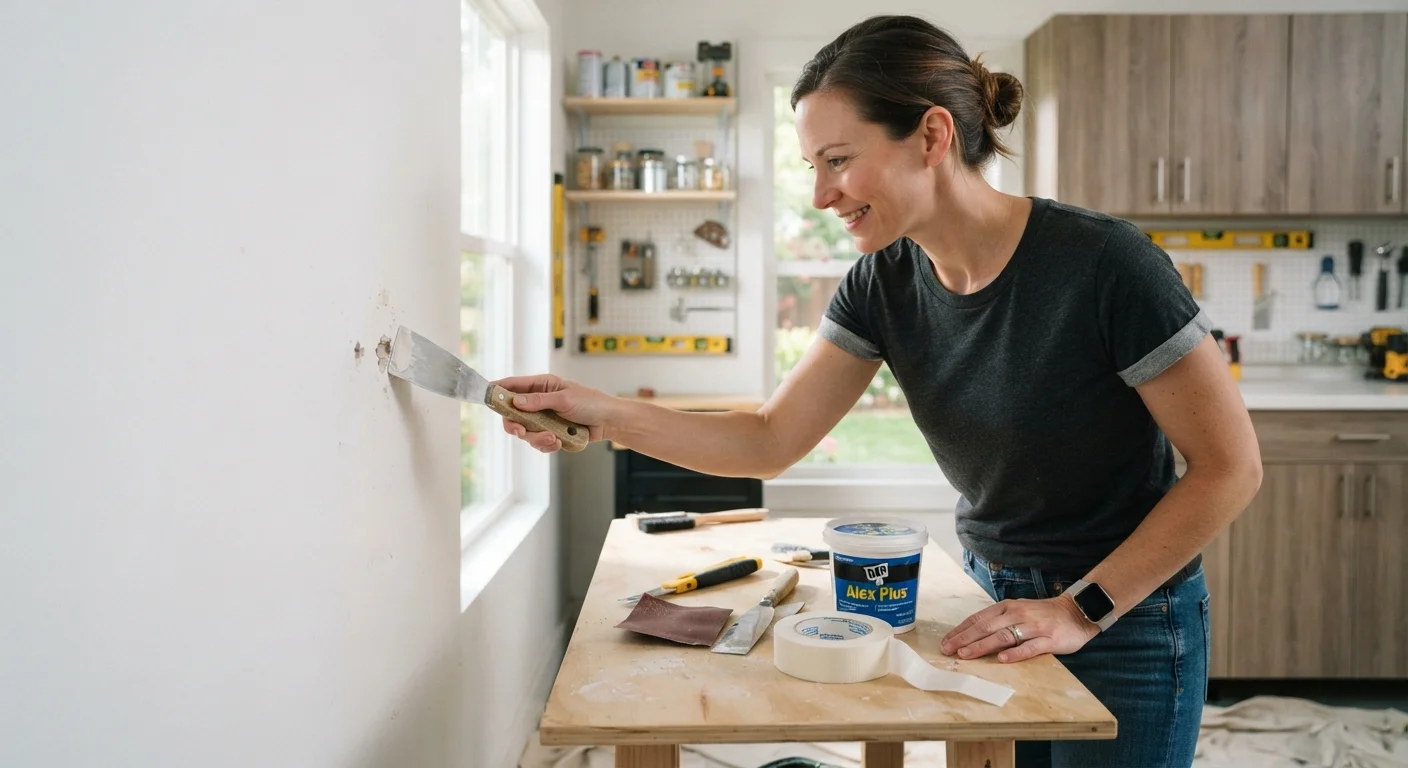
Photo credit: TrendingFaqs.com
In this article
Patching drywall is manageable. Rewiring an outlet is not. Here is a clear guide to which home repairs you can tackle yourself safely.
Key Takeaways
- Patching small drywall holes, fixing running toilets, and replacing switch plates are genuinely safe for most beginners.
- Electrical panel work, gas line repairs, and load-bearing structural changes always require a licensed professional.
- The cost of a permit or contractor is nearly always lower than the cost of fixing a hazardous mistake.
- When in doubt about safety or local code requirements, stop and consult a licensed tradesperson.
How to decide before you pick up a tool
Two questions help sort almost any repair into the right category: Could a mistake injure someone, and does the work require a permit in your municipality? If either answer is yes, the job belongs to a licensed professional. If both answers are no, it is worth looking at whether the task matches your current skill level.
Skill level matters more than confidence. A repair that looks straightforward on a video can involve conditions in your specific home that change the difficulty entirely. Older houses may have outdated wiring, lead paint, or non-standard plumbing materials that a beginner cannot safely identify. Always account for what you do not yet know.
For renters, there is a third question: does your lease allow it? Many leases prohibit even minor repairs without landlord approval. Check before touching anything, and document the condition of the space beforehand.
Repairs that are genuinely safe for beginners
The following tasks involve low risk of injury, require no permits in most jurisdictions, and are reversible if you make a mistake.
Patching small drywall holes
Nail pops, small screw holes, and doorknob dents up to about four inches across are good candidates for a first repair. The materials are inexpensive, the technique is forgiving, and a bad patch is easy to redo. Learn which drywall repairs are DIY-friendly and which signal something deeper before starting, so you do not confuse a simple cosmetic hole with a crack that points to settling or moisture damage.
Fixing a running toilet
A toilet that runs constantly is almost always a worn flapper or a misadjusted fill valve. Both parts cost a few dollars at a hardware store, no soldering is involved, and shutting off the supply valve behind the toilet completely removes the flood risk. Understanding your shutoff valves is the foundational skill here.
Replacing a switch plate or outlet cover
Swapping the plastic cover on a light switch or outlet is safe when you turn off the circuit at the breaker first and confirm the power is off with a non-contact voltage tester. You are not touching any wiring, only the decorative cover held by two screws.
Caulking around tubs and sinks
Old caulk peels and allows water into walls over time. Removing it with a plastic scraper and applying a fresh bead of mildew-resistant caulk is straightforward, low-stakes work that prevents far more expensive water damage later.
Replacing a showerhead or faucet aerator
Both involve unscrewing one fitting and screwing on another. Wrap threads with plumber's tape, hand-tighten plus a quarter turn, and check for drips. No pipe cutting, no soldering.
| Safe for beginners | Requires a professional | |
|---|---|---|
| Drywall | Small holes and cosmetic patches | Large holes near wiring or structural damage |
| Plumbing | Flapper, aerator, showerhead swap | Pipe cutting, soldering, gas lines |
| Electrical | Replacing cover plates (power off) | Wiring outlets, panel work, new circuits |
| Walls and structure | Painting, caulking, patching | Any load-bearing wall modification |
| Roof and exterior | Cleaning gutters from a ladder | Replacing flashing, shingles, or decking |
| Permits typically required | No | Yes, in most jurisdictions |
Jobs that are not safe for beginners
The items below carry genuine risk of electrocution, fire, flooding, structural failure, or code violations that can affect home insurance and resale.
Any work inside the electrical panel
Adding circuits, replacing breakers, and upgrading a panel are tasks that can cause fires or fatal shock even when the main breaker is off, because the service entrance wires coming into the panel remain live. This work requires a licensed electrician and, in most states, a permit and inspection.
Replacing or repairing outlets and switches with wiring
Unlike swapping a cover plate, actually connecting or disconnecting wires at an outlet or switch involves live circuits, and older homes may have aluminum wiring or wiring configurations that require specific handling. An incorrect connection can start a fire inside the wall long after the work appears finished.
Gas line repairs and appliance connections
A loose or improperly fitted gas connection can cause an explosion or slow leak that accumulates unseen. Gas work is licensed and inspected in virtually every U.S. jurisdiction. Call a licensed plumber or gas fitter without exception.
Load-bearing wall removal or modification
Removing a wall that supports the structure above it without proper temporary shoring can cause a collapse. Identifying load-bearing walls is not always intuitive, and the consequences of a mistake are severe. This work needs an engineer's assessment and a contractor.
Roof repairs beyond cleaning gutters
Working at roof height carries serious fall risk. Replacing flashing, repairing underlayment, or addressing structural decking issues also involve conditions that vary widely by roof type and age. Consult a licensed roofer.
The real cost of mismatching skill to task
A failed DIY electrical repair can void a homeowner's insurance claim if an inspector determines unpermitted work contributed to a fire or flood. Unpermitted structural work can complicate or block a home sale. These outcomes cost far more than hiring correctly the first time.
Budget pressure is a real factor for many households, and choosing DIY wisely can save money on legitimate beginner repairs. For context on prioritizing where limited dollars go, the same logic applies to other areas of home upkeep: prioritizing safety-critical maintenance over cosmetic fixes is a reliable framework across home and vehicle tasks alike.
If a repair falls in a gray area, a one-time consultation with a licensed contractor can clarify whether it is safe for you to proceed, without committing to full-service hiring. Many contractors will give a brief assessment for a flat fee or at no charge during an estimate visit.
This article provides general home maintenance information for educational purposes. It is not a substitute for advice from a licensed contractor, electrician, plumber, or structural engineer. Local building codes and permit requirements vary. Always verify the rules that apply to your specific location and situation before beginning any repair.

Author
Home Editorial Team
Home Editorial Team is the collective byline for our editorial team and contributor network. Articles published under this byline or an editorial pen name are researched, written, and reviewed according to our editorial standards for clarity, consistency, and independence before publication.
View all articles →