
Cholesterol Levels Demystified: HDL, LDL, and Triglycerides
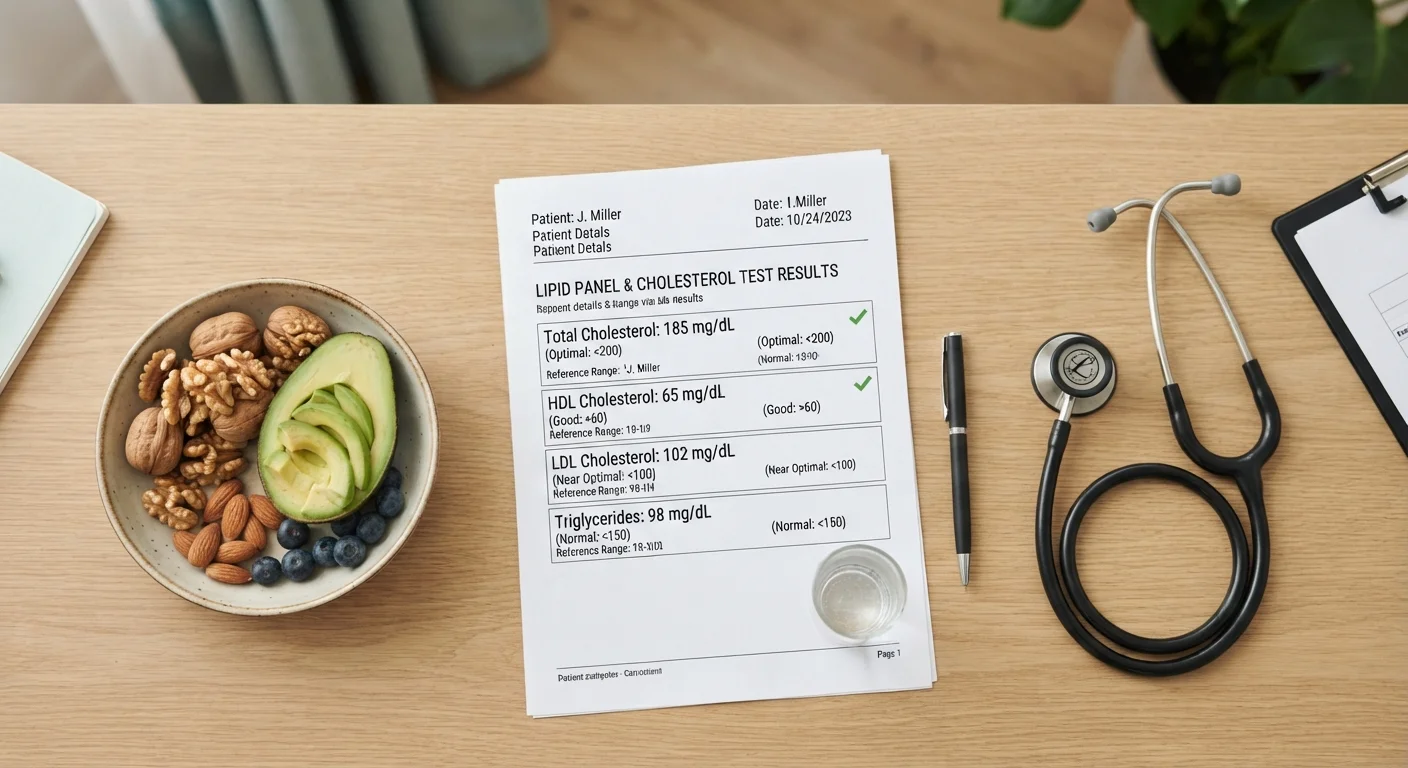
Photo credit: TrendingFaqs.com
In this article
What each cholesterol number means, how they interact, and the lifestyle factors that influence them, all in plain language.
What a cholesterol panel actually measures
A standard lipid panel reports four numbers: total cholesterol, HDL cholesterol, LDL cholesterol, and triglycerides. Each measures something distinct, and none of them tells the whole story on its own.
| Test type | Fasting lipid panel (blood draw) |
| Desirable total cholesterol | Below 200 mg/dL (American Heart Association general guidelines) |
| Optimal LDL | Below 100 mg/dL for most adults (American Heart Association general guidelines) |
| Protective HDL level | 60 mg/dL or above (American Heart Association general guidelines) |
| Normal triglyceride range | Below 150 mg/dL (American Heart Association general guidelines) |
| Recommended testing frequency | Every 4 to 6 years for most adults 20 and older (General clinical guidance; frequency may increase with risk factors) |
Cholesterol itself is a waxy, fat-like substance the body needs. The liver produces most of it; some comes from food. Because cholesterol does not dissolve in blood, it travels inside protein-coated particles called lipoproteins. The type of lipoprotein carrying the cholesterol is what determines whether a reading is labeled HDL or LDL.
Triglycerides are not cholesterol at all. They are a separate type of blood fat that reflects how much dietary fat and excess sugar your body has converted to stored energy. They appear on the same panel because, together, these numbers give a picture of cardiovascular risk. For context on how cholesterol numbers relate to other cardiovascular markers, see how blood pressure readings work.
This article provides general health information only and is not a substitute for medical advice. Consult a qualified healthcare professional about your personal cholesterol results and any treatment decisions.
HDL, LDL, and triglycerides: what each number means
HDL (high-density lipoprotein) is often described as "good" cholesterol. HDL particles carry cholesterol away from artery walls and back to the liver, where it is processed or excreted. Higher HDL levels are generally associated with lower cardiovascular risk. The American Heart Association notes that an HDL below 40 mg/dL in men or below 50 mg/dL in women is considered a risk factor.
LDL (low-density lipoprotein) is the particle most closely linked to arterial plaque buildup. When LDL particles accumulate in artery walls, they can trigger inflammation and narrowing over time. Lower LDL is generally better, though your clinician will interpret your LDL target in the context of your overall risk profile, not as a standalone number.
Lipoprotein
A particle made of protein and fat that carries cholesterol and triglycerides through the bloodstream. The type of lipoprotein (HDL, LDL, VLDL) determines how cholesterol is labeled on a lab report.
HDL cholesterol
High-density lipoprotein cholesterol. HDL particles carry cholesterol away from artery walls toward the liver. Higher levels are generally associated with lower cardiovascular risk.
LDL cholesterol
Low-density lipoprotein cholesterol. LDL particles deposit cholesterol in artery walls over time, contributing to plaque buildup. Lower levels are generally preferred.
Triglycerides
A type of blood fat distinct from cholesterol. The body converts excess calories, particularly from sugar and refined carbohydrates, into triglycerides for storage.
Lipid panel
A blood test that measures total cholesterol, HDL, LDL, and triglycerides. Typically done after fasting for 9 to 12 hours for accurate triglyceride results.
Non-HDL cholesterol
Total cholesterol minus HDL cholesterol. This figure captures all cholesterol-carrying particles considered potentially harmful and is sometimes used alongside LDL for a fuller picture of risk.
Triglycerides reflect your body's circulating fat stores. A reading above 150 mg/dL is borderline high; above 200 mg/dL is high. Elevated triglycerides frequently appear alongside low HDL and are associated with insulin resistance, which connects lipid health to blood sugar management. The article on type 2 diabetes risk and diagnosis covers that relationship in more detail.
How to read the reference ranges
Ranges on a lab report are population-based thresholds, not pass-or-fail scores. A clinician weighs your numbers alongside age, sex, family history, blood pressure, smoking status, and whether you have diabetes or existing heart disease.
General reference thresholds from clinical guidelines:
- Total cholesterol: below 200 mg/dL is desirable; 200-239 mg/dL is borderline high; 240 mg/dL and above is high.
- LDL: below 100 mg/dL is optimal for most adults; below 70 mg/dL is the target for people at high cardiovascular risk.
- HDL: 60 mg/dL and above is associated with lower risk; below 40 mg/dL (men) or 50 mg/dL (women) raises risk.
- Triglycerides: below 150 mg/dL is normal; 500 mg/dL and above is very high and requires prompt clinical attention.
Some clinicians also calculate non-HDL cholesterol (total cholesterol minus HDL) or order a more detailed particle-size analysis, particularly when standard numbers look borderline. Ask your provider whether either applies to your situation.
Lifestyle factors that move the numbers
Diet, physical activity, body weight, and smoking all affect cholesterol and triglyceride levels in measurable ways.
Dietary saturated fat raises LDL in most people. Foods high in saturated fat include fatty cuts of meat, full-fat dairy, and tropical oils. Trans fats, now largely removed from the US food supply but still present in some processed products, raise LDL and lower HDL simultaneously. Replacing saturated fat with unsaturated fat from sources like olive oil, nuts, and fatty fish generally improves the LDL-to-HDL ratio.
Soluble fiber from oats, beans, lentils, and many fruits binds cholesterol in the digestive tract and reduces how much re-enters circulation. Regular aerobic exercise raises HDL and lowers triglycerides. Even modest, sustained movement produces measurable changes over weeks.
Excess added sugar and refined carbohydrates drive triglyceride levels up, sometimes significantly, even when fat intake is controlled. Alcohol raises triglycerides at higher intake levels. Smoking lowers HDL; quitting reverses much of that effect within weeks.
For a related look at how daily habits affect cardiovascular fitness, see what your resting heart rate reveals about fitness.
When to talk to your doctor
Most adults should have a fasting lipid panel at least once every four to six years starting around age 20, according to general clinical guidance. Adults with risk factors, including family history of early heart disease, high blood pressure, diabetes, or obesity, may need testing more frequently.
If your results fall outside normal ranges, a single panel is rarely the basis for a treatment decision. Many clinicians repeat the test before acting, particularly if the result is borderline. When lifestyle changes alone are not sufficient, medications such as statins are a well-studied option, but their appropriateness depends on your full risk profile, not just one elevated number.
Children and adolescents with a family history of high cholesterol or early cardiovascular disease may also need earlier screening. Pregnant individuals should discuss timing with their provider, as cholesterol levels rise naturally during pregnancy.
This article is for general informational purposes only and does not constitute medical advice. Always consult a qualified healthcare professional for interpretation of your personal lab results and any treatment decisions.

Author
Health Editorial Team
Health Editorial Team is the collective byline for our editorial team and contributor network. Articles published under this byline or an editorial pen name are researched, written, and reviewed according to our editorial standards for clarity, consistency, and independence before publication.
View all articles →