
Thyroid Conditions: Hypothyroidism and Hyperthyroidism Compared
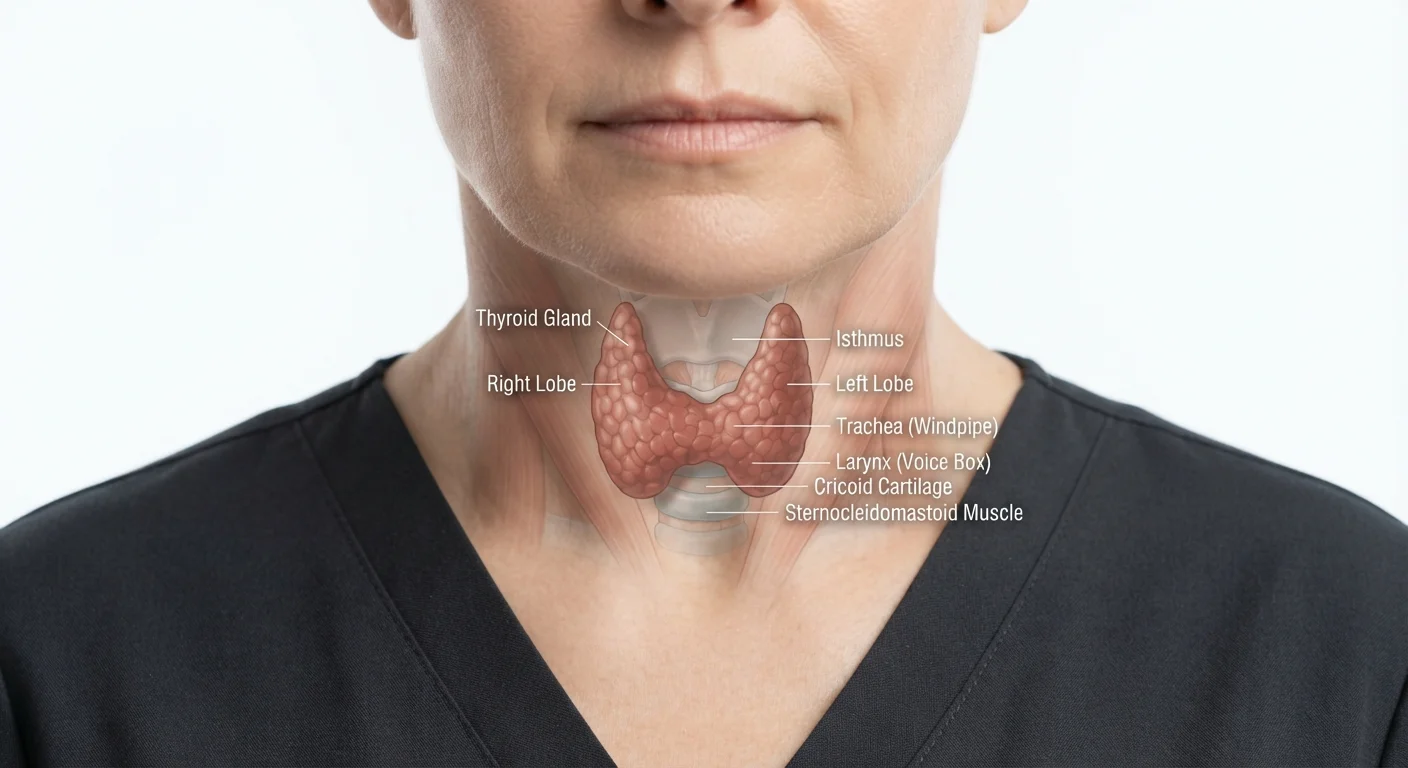
Photo credit: TrendingFaqs.com
In this article
How an underactive and overactive thyroid differ in symptoms, diagnosis, and general management approaches.
Key Takeaways
- Hypothyroidism means the thyroid produces too little hormone; hyperthyroidism means it produces too much.
- Symptoms point in opposite directions: fatigue and weight gain versus rapid heartbeat and weight loss.
- Both conditions are diagnosed with blood tests measuring TSH and thyroid hormone levels.
- Effective treatments exist for both, but management typically requires ongoing medical supervision.
- Some people with thyroid conditions also have a higher risk of metabolic issues like insulin resistance.
What the thyroid does and why it matters
The thyroid is a butterfly-shaped gland in the front of the neck. It produces two main hormones, thyroxine (T4) and triiodothyronine (T3), which regulate how the body uses energy. These hormones affect heart rate, body temperature, digestion, muscle function, and mood. When the thyroid produces too little or too much of these hormones, virtually every system in the body feels the effects.
The pituitary gland monitors thyroid hormone levels and releases thyroid-stimulating hormone (TSH) to signal the thyroid to adjust output. Lab tests that measure TSH alongside T3 and T4 are the primary diagnostic tools for both hypothyroidism and hyperthyroidism.
Because thyroid hormones influence metabolism broadly, thyroid disorders sometimes overlap with other conditions. For example, insulin resistance and thyroid dysfunction can occur together, which is explored further in content on type 2 diabetes and metabolic health.
Hypothyroidism: when the thyroid is underactive
Hypothyroidism occurs when the thyroid does not produce enough hormone to meet the body's needs. The most common cause in the United States is Hashimoto's thyroiditis, an autoimmune condition in which the immune system attacks the thyroid gland. Other causes include thyroid surgery, radiation treatment, and certain medications such as lithium or amiodarone.
Common symptoms include persistent fatigue, unexplained weight gain, constipation, dry skin, hair thinning, feeling cold when others do not, slowed heart rate, and depression. These symptoms develop gradually, which means many people attribute them to aging or stress before receiving a diagnosis.
On a blood test, hypothyroidism typically shows a high TSH level (because the pituitary is working hard to stimulate an underperforming gland) paired with low T4. The standard treatment is a synthetic thyroid hormone called levothyroxine, taken daily. Dosing is individualized and adjusted over time based on follow-up lab results.
| Hypothyroidism | Hyperthyroidism | |
|---|---|---|
| Hormone level | Too little thyroid hormone | Too much thyroid hormone |
| TSH on blood test | High (elevated) | Low (suppressed) |
| Common cause | Hashimoto's thyroiditis | Graves' disease |
| Weight effect | Unexplained weight gain | Unintended weight loss |
| Energy and mood | Fatigue, depression, slow thinking | Anxiety, irritability, tremors |
| Heart rate | Slowed heart rate | Rapid or irregular heartbeat |
| Temperature sensitivity | Intolerance to cold | Intolerance to heat, sweating |
| Primary treatment | Synthetic hormone replacement (levothyroxine) | Antithyroid drugs, radioactive iodine, or surgery |
Hyperthyroidism: when the thyroid is overactive
Hyperthyroidism occurs when the thyroid produces more hormone than the body needs. Graves' disease, another autoimmune condition, is the most common cause. Toxic multinodular goiter and thyroid nodules that produce excess hormone are other causes. Some people also experience temporary hyperthyroidism early in thyroiditis, an inflammation of the gland.
Symptoms are largely the opposite of hypothyroidism: unintended weight loss despite a normal or increased appetite, rapid or irregular heartbeat (palpitations), anxiety, irritability, tremors, excessive sweating, heat intolerance, and frequent bowel movements. In Graves' disease, some people also develop eye changes such as bulging or irritation.
Blood tests show a low TSH paired with elevated T4 or T3. Treatment options include antithyroid medications (which reduce hormone production), radioactive iodine therapy (which shrinks or disables overactive thyroid tissue), and surgery. A healthcare provider evaluates which approach fits the individual based on the underlying cause, severity, and other health factors.
Diagnosis: how both conditions are confirmed
Neither condition can be reliably identified from symptoms alone because many thyroid symptoms overlap with other health issues. A TSH blood test is typically the first step. An abnormal result prompts further testing of free T4 and, in some cases, free T3 or thyroid antibodies.
Imaging such as a thyroid ultrasound or a radioactive iodine uptake scan may be ordered to assess gland size, texture, or the presence of nodules. These tests help distinguish the underlying cause, which matters because different causes require different treatments.
Certain populations carry higher diagnostic risk. Women are diagnosed with thyroid disorders more often than men. People with a family history of thyroid or autoimmune disease, those who have received radiation to the head or neck, and those with other autoimmune conditions face greater likelihood of thyroid dysfunction. Newborn screening programs routinely check for congenital hypothyroidism because early detection and treatment are important for normal development.
Living with a thyroid condition
Both hypothyroidism and hyperthyroidism require ongoing medical management rather than one-time treatment. Levothyroxine doses for hypothyroidism often need adjustment as a person ages or if body weight changes significantly. Hyperthyroidism treated with radioactive iodine frequently results in eventual hypothyroidism, so those patients transition to lifelong hormone replacement as well.
Regular lab monitoring is standard practice in both cases. Most people with well-controlled thyroid conditions live full, active lives. However, untreated or poorly controlled thyroid disease carries real risks. Severe untreated hypothyroidism can lead to a rare but serious condition called myxedema coma. Untreated hyperthyroidism increases the risk of atrial fibrillation and bone density loss over time.
For people managing a thyroid condition alongside work, family, and other responsibilities, practical strategies for appointments and energy management are worth considering. The article on managing a chronic condition while working full time addresses this directly.
This article is for general informational purposes only and is not medical advice. Anyone experiencing symptoms of a thyroid disorder should consult a qualified healthcare provider for evaluation, diagnosis, and treatment guidance.

Author
Health Editorial Team
Health Editorial Team is the collective byline for our editorial team and contributor network. Articles published under this byline or an editorial pen name are researched, written, and reviewed according to our editorial standards for clarity, consistency, and independence before publication.
View all articles →