
The Sleep Science Most People Skip Over
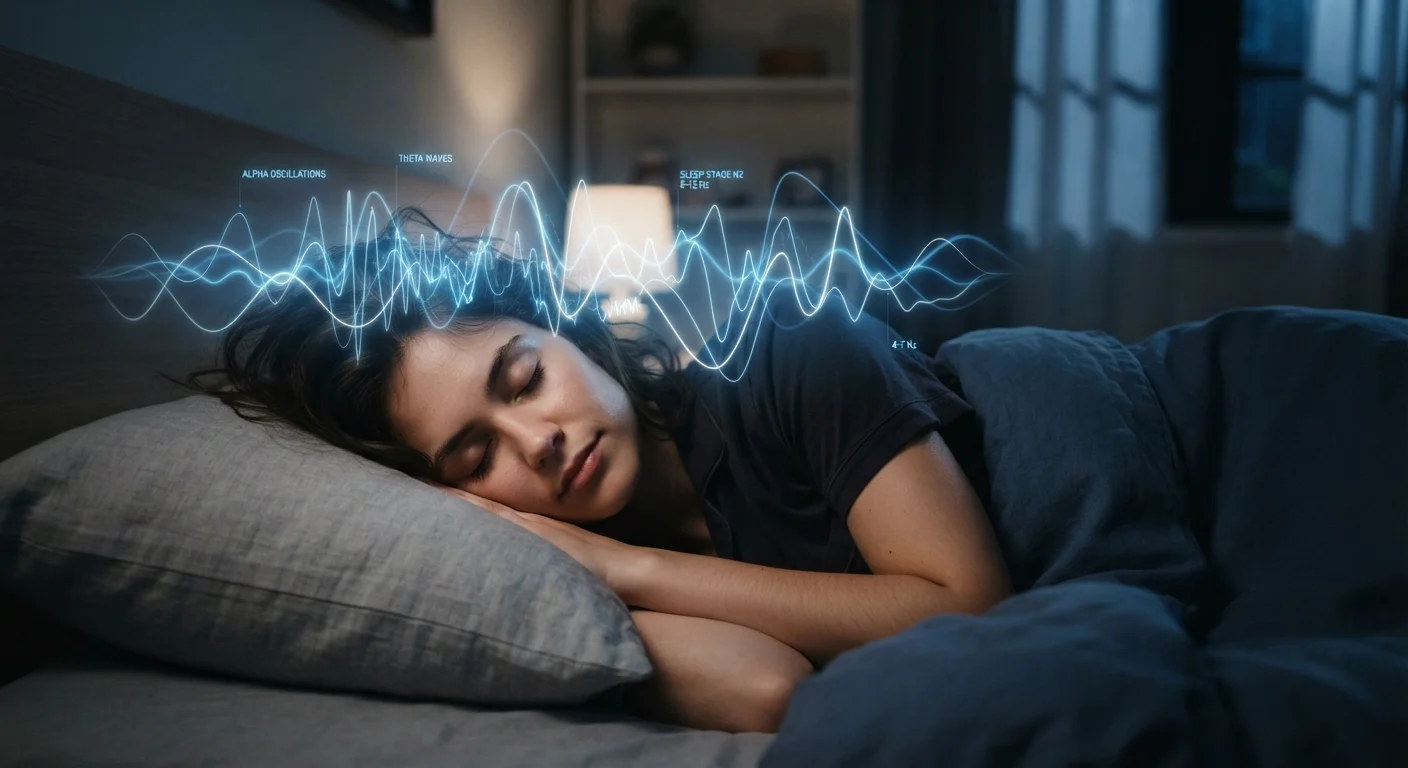
Photo credit: TrendingFaqs.com
In this article
From sleep stages to circadian rhythms, here's what researchers actually know about why we sleep and what happens when we don't get enough.
Key Takeaways
- Sleep cycles through distinct non-REM and REM stages, each serving different biological functions.
- Circadian rhythm is driven by an internal biological clock, not just by feeling tired.
- Chronic sleep deprivation affects memory, metabolism, immune function, and mood.
- Even one night of poor sleep measurably changes brain function and emotional regulation.
- Most adults need seven to nine hours; individual variation exists but is narrower than commonly believed.
What sleep actually is (and is not)
Sleep is not the body powering down. It is a period of coordinated, biologically active processes that the brain and body cannot accomplish while awake. The distinction matters because it changes how people think about the value of sleep time and what they lose when they cut it short.
Researchers classify sleep into two broad states. Non-REM sleep has three stages, moving from light sleep through progressively deeper slow-wave sleep. REM sleep follows, marked by near-complete muscle paralysis and rapid eye movement beneath closed lids. The brain during REM is nearly as active as during wakefulness.
Each full cycle takes about 90 minutes. Early in the night, cycles are weighted toward deep non-REM sleep, which is when growth hormone releases and cellular repair accelerates. Later cycles contain longer stretches of REM sleep, during which emotional memory is processed and creative problem-solving appears to consolidate. Cutting sleep short disproportionately reduces REM, which is why people who sleep six hours instead of eight do not simply lose two hours of uniform rest.
The circadian clock and why timing matters
The circadian rhythm is a roughly 24-hour internal cycle governed primarily by a cluster of neurons in the hypothalamus called the suprachiasmatic nucleus. This clock coordinates the timing of hormone release, body temperature fluctuation, and alertness levels throughout the day and night.
Light is the primary signal that keeps this clock synchronized with the external environment. Exposure to bright light in the morning advances the rhythm and promotes alertness; exposure to blue-spectrum light in the evening delays melatonin release and pushes sleep onset later. This is why screen use close to bedtime has a measurable effect on how quickly people fall asleep, independent of mental stimulation.
Circadian disruption, whether from shift work, travel across time zones, or irregular sleep schedules, does not just cause tiredness. It affects glucose regulation, blood pressure, and immune response. The body's organ systems operate on timed schedules, and chronic misalignment between behavior and internal clock timing accumulates physiological costs over time.
Anchor your rhythm with morning light
Getting bright natural light exposure within an hour of waking is one of the most effective ways to stabilize your circadian clock. It does not need to be direct sunlight; spending 10 to 20 minutes outdoors on a cloudy morning still delivers significantly more light than indoor lighting. Doing this consistently helps regulate evening melatonin timing and makes falling asleep easier.
If you want to explore how your bedroom environment interacts with these rhythms, see what makes a bedroom genuinely restorative.
What the research says about sleep deprivation
After approximately 17 to 19 hours of continuous wakefulness, cognitive performance degrades to a level comparable to a blood alcohol concentration of 0.05 percent, according to research from Flinders University. Working memory, reaction time, and decision quality all decline, while confidence in those decisions often does not.
48%
Higher coronary heart disease risk with under 6 hours of sleep
According to a meta-analysis published in the European Heart Journal examining data across multiple cohort studies.
1 in 3
U.S. adults not getting recommended sleep duration
The CDC has reported that roughly one-third of American adults regularly sleep less than the recommended seven hours per night.
90 min
Average duration of one complete sleep cycle
Established through polysomnography research; most adults complete four to six cycles on a full night of sleep.
Chronic short sleep, defined in much of the literature as consistently fewer than six hours per night, is associated with elevated inflammatory markers, increased insulin resistance, and higher rates of cardiovascular events. A meta-analysis published in the European Heart Journal found that sleeping fewer than six hours was linked to a 48 percent higher risk of developing or dying from coronary heart disease compared with those sleeping seven to eight hours.
The mental health effects are equally documented. Sleep deprivation amplifies the amygdala's response to negative stimuli while weakening prefrontal regulation of that response. In plain terms, the brain becomes more reactive to stress and less able to modulate that reactivity. These effects appear after a single night of disrupted sleep and worsen with accumulation. For a closer look at how specific habits quietly erode mental health, see sleep habits that undermine mental health.
Recognizing when sleep problems need clinical attention
Most people experience occasional poor sleep during periods of stress or illness. Persistent difficulty falling asleep, staying asleep, or waking too early, when it causes daytime impairment and occurs at least three nights per week for three months, meets the clinical threshold for insomnia disorder. That threshold exists not to pathologize normal variation but to identify when evidence-based treatment is warranted.
Snoring combined with witnessed breathing pauses, gasping, or pronounced morning headaches can indicate obstructive sleep apnea, a condition where the airway collapses repeatedly during sleep. Sleep apnea is common and underdiagnosed; it affects cardiovascular and metabolic health beyond the sleep disruption itself. Recognizing the signs of sleep apnea early can prevent complications that develop when the condition goes untreated for years.
A healthcare provider can evaluate whether a sleep study or behavioral intervention is appropriate. Self-managed approaches that work for mild, short-term insomnia may not address the underlying mechanisms in more persistent cases.
This article is for informational purposes only and is not medical advice. Consult a qualified healthcare professional for any sleep concerns, symptoms, or treatment decisions.
Frequently Asked Questions

Author
Health Editorial Team
Health Editorial Team is the collective byline for our editorial team and contributor network. Articles published under this byline or an editorial pen name are researched, written, and reviewed according to our editorial standards for clarity, consistency, and independence before publication.
View all articles →