

Finance Editorial Team
Finance Editorial Team is the collective byline for our editorial team and contributor network. Articles published under this byline or an editorial pen name are researched, written, and reviewed according to our editorial standards for clarity, consistency, and independence before publication.

Deductibles, Premiums, and Copays: How the Three Work Together
Understanding how deductibles, premiums, and copays interact can help you make sense of your out-of-pocket costs and cho…

Gaps in Coverage: The Insurance Oversights That Catch People Off Guard
Many people discover what their policy does not cover only after a loss occurs. Learn the coverage gaps that come up mos…

Grace Periods, Lapses, and Reinstatement: What Happens When You Miss an Insurance Payment
Missing a premium payment doesn't always mean losing coverage. Learn how grace periods, lapses, and reinstatement work a…

HMO vs. PPO Health Insurance: Navigating the Difference
HMO and PPO plans structure your access to care in very different ways. Here is a clear comparison to help you understan…

How Insurance Underwriting Works
Underwriting determines whether an insurer will cover you and at what cost. This article explains the process and the fa…

Insurance Basics: What Every American Should Know Before Buying a Policy
New to insurance? Learn the core concepts, key terms, and how coverage generally works before you commit to any policy.…

Insurance Riders and Endorsements: Customizing Your Coverage
Riders and endorsements let you extend or adjust a standard policy. This guide explains what they are, how they work, an…

Making Sense of Your Explanation of Benefits (EOB)
An Explanation of Benefits is not a bill, but it tells you a lot about what your insurer paid and what you owe. Learn ho…

Named Perils vs. Open Perils: How Your Policy Decides What It Will Cover
The distinction between named-peril and open-peril policies quietly determines whether your claim will be paid. Here is …

Questions Worth Asking Before You Sign Any Insurance Policy
Before committing to coverage, certain questions can reveal gaps, limits, and conditions that are easy to overlook in a …

Reviewing Your Insurance Coverage: An Annual Checklist
Life changes can leave your coverage outdated. Use this checklist to review your policies each year and spot anything th…

The Relationship Between Risk and Insurance Pricing
Insurance premiums are not arbitrary. Understanding how risk assessment drives pricing helps you see why your costs look…

Understanding Liability Coverage and Why It Matters
Liability coverage protects you if you are found responsible for harm to others. This explainer breaks down how it works…

What an Insurance Policy Actually Covers (and What It Typically Does Not)
Coverage limits, exclusions, and riders shape what you can claim. Learn what is usually included in common policies and …

What to Do When an Insurance Claim Is Denied
A claim denial is not always final. Learn why denials happen and what steps you can take to understand the decision and …

Why Your Insurance Premium Can Change Even When You File No Claims
Premiums can rise for reasons unrelated to your personal claim history. This article explains the factors insurers consi…

A Practical Checklist for Getting Out of Credit Card Debt
Work through this step-by-step checklist to organize your balances, choose a payoff method, and track your progress towa…

Certificates of Deposit Versus Savings Accounts: Weighing Liquidity Against Yield
Understand how CDs and savings accounts differ in access, interest rates, and risk so you can match the right option to …

Common Beliefs About Debt Payoff That Can Slow You Down
From closing old accounts to ignoring small balances, several widely held debt beliefs can actually work against your pr…

Habits That Quietly Drain Savings Without Feeling Like a Big Deal
Small, recurring spending patterns often go unnoticed but accumulate significantly over time. Here are the most common c…

High-Yield Savings Accounts Versus Traditional Savings Accounts
Compare how high-yield and traditional savings accounts differ in interest rates, access, and suitability for different …

How Compound Interest Works Against You When You Carry a Balance
A clear look at how compounding amplifies debt over time, why minimum payments often barely touch principal, and what th…

Negotiating With Creditors: What Is Actually Possible and How It Works
Creditors sometimes accept modified terms, reduced settlements, or hardship arrangements. Learn what is realistic and ho…

Pitfalls That Keep People Stuck in a Debt Cycle
Certain habits and decisions make it harder to escape ongoing debt. Understand the patterns that perpetuate the cycle an…

Saving Money on a Tight Budget: Realistic Strategies That Hold Up
Practical, low-barrier approaches to building savings when income is stretched thin, without relying on drastic lifestyl…

Saving Versus Paying Off Debt: How to Decide Which to Prioritize
The right balance between saving and debt payoff depends on interest rates, income stability, and your goals. Here is a …
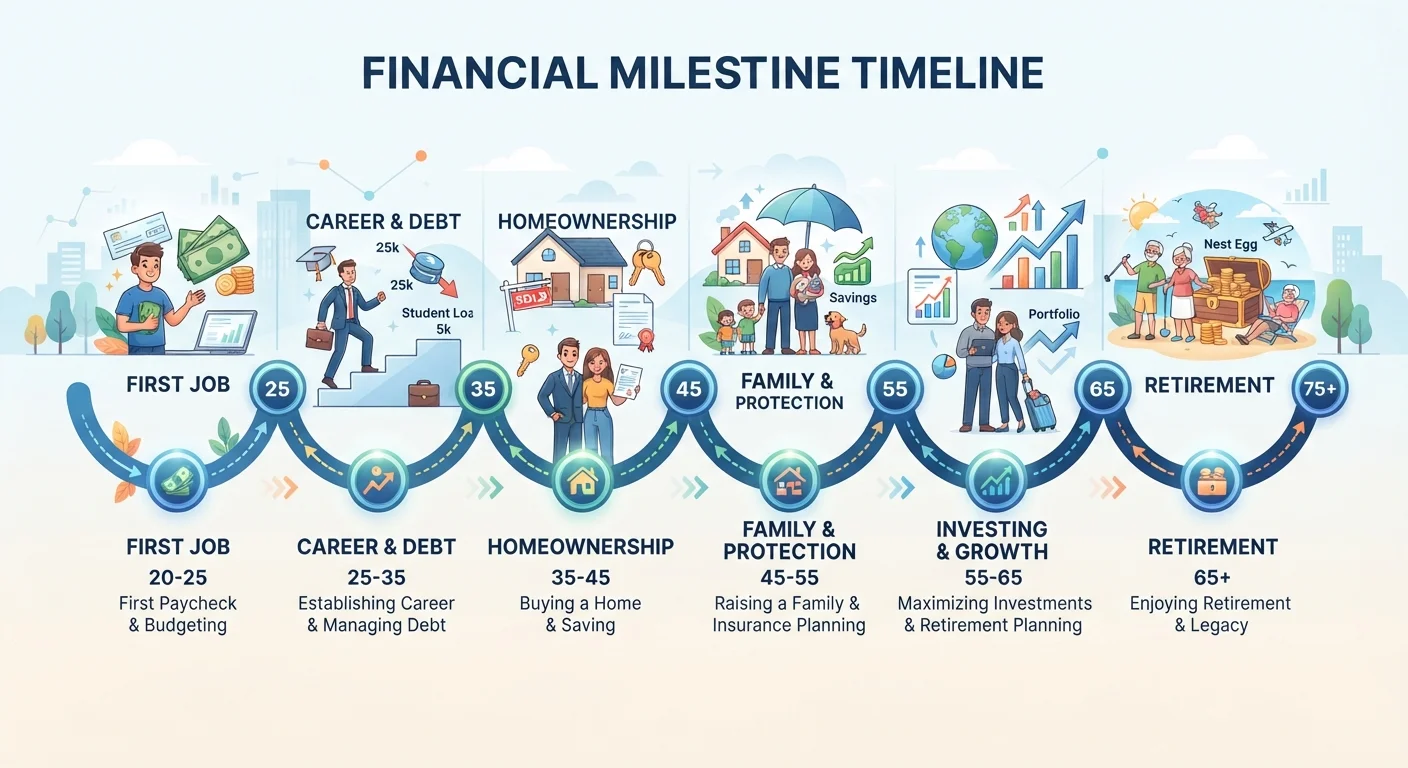
Savings Goals by Life Stage: From First Job to Retirement Runway
Financial priorities shift over time. This guide maps common savings milestones across early career, mid-life, and pre-r…

Spending Triggers That Undermine Savings Plans
Explore the behavioral and situational patterns that quietly derail savings progress, and practical ways to recognize an…

Student Loan Repayment Plans: An Overview of Your Federal Options
Federal student loans offer several repayment structures. This reference guide explains each plan, its eligibility rules…

The Real Cost of Payday Loans and Short-Term High-Interest Borrowing
Short-term loans can carry annual percentage rates in the triple digits. Understand the mechanics, risks, and alternativ…

What Happens to Your Credit Score When You Pay Off a Debt
Paying off debt does not always raise your score immediately. Learn how credit utilization, account age, and mix factor …

What Medical Debt Is, How It Is Collected, and What Rights You Have
A factual overview of how medical debt works, the collection process, and the general protections available to consumers…

A Plain-Language Glossary of the Financial Terms You See Most Often
From amortization to yield, this reference glossary defines the financial terms everyday Americans encounter most, with …
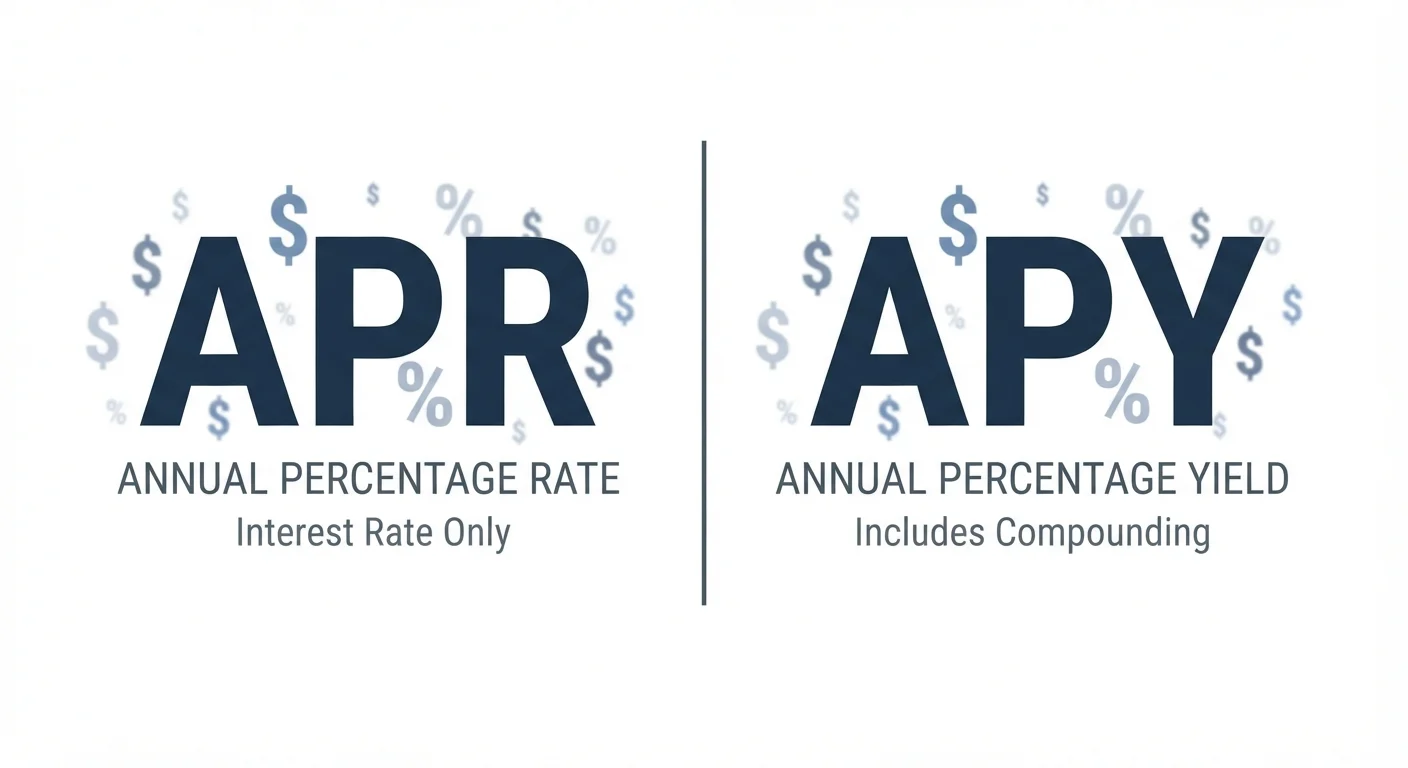
APR vs. APY: The Difference That Changes What a Rate Really Costs You
APR and APY look similar but measure different things. See how each is calculated and when each figure is the one you sh…

Compound Interest: Why the Math Behind Your Money Matters More Than the Rate
Learn how compound interest works, how it's calculated, and why it affects both savings growth and debt accumulation ove…

Credit Utilization: The Ratio Quietly Shaping Your Credit Score
Credit utilization measures how much of your available credit you're using. Understand why lenders watch this number clo…

Diversification: The Core Idea Behind Not Putting All Your Eggs in One Basket
Diversification is a foundational risk management concept. This article explains what it means, why it's used, and the t…

Emergency Funds: What the Concept Means and the Logic Behind the Advice
Financial educators consistently recommend emergency funds, but the reasoning is often skipped. Learn what this concept …

Financial Misconceptions That Cost People Real Money
From "renting is throwing money away" to "carrying a credit card balance builds credit," these widespread myths can lead…
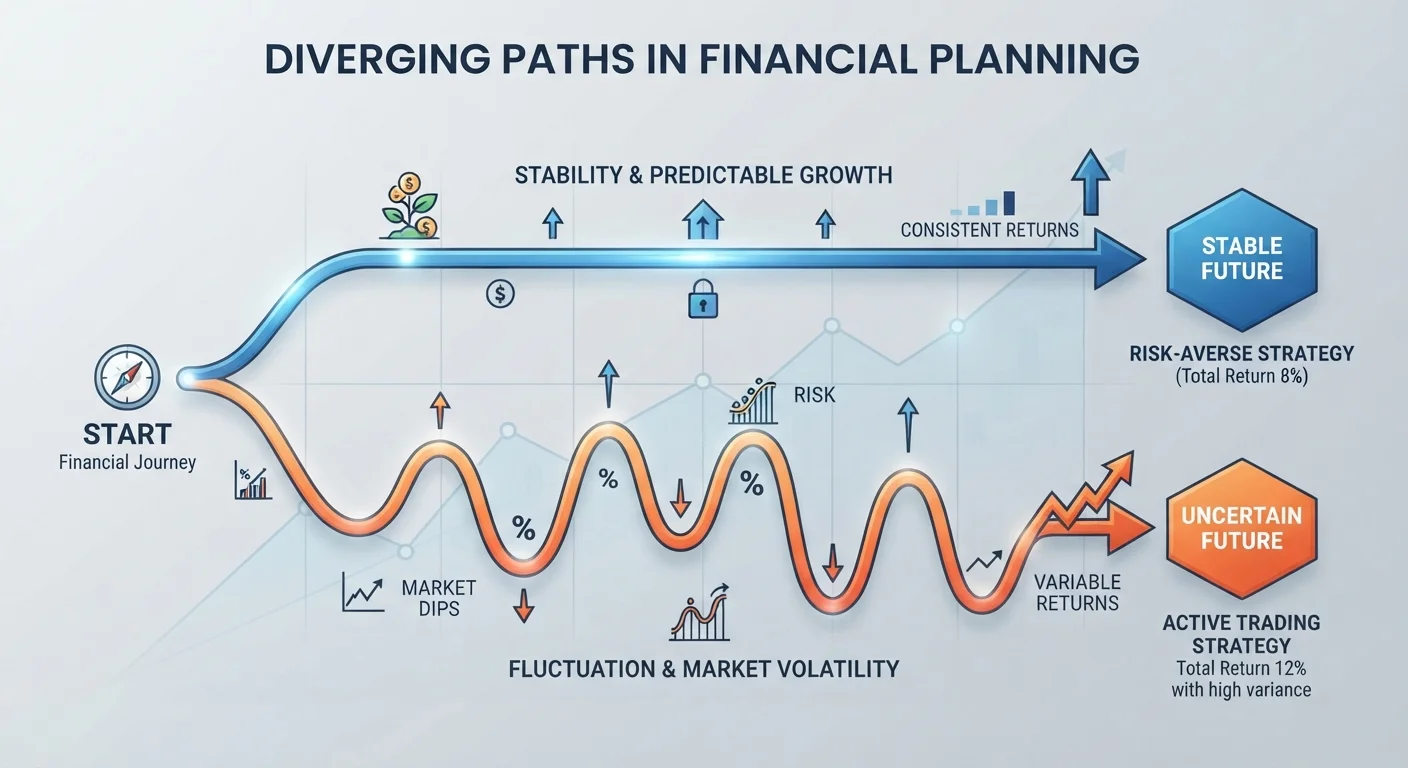
Fixed vs. Variable Rates: What Changes and What Doesn't When You Borrow
Fixed and variable interest rates behave very differently over a loan's life. Learn how each works and what conditions f…

Gross Pay vs. Take-Home Pay: Where the Gap Comes From
Your paycheck is smaller than your salary for specific reasons. Learn what deductions, taxes, and withholdings create th…

How Amortization Works and Why Your Early Payments Go Mostly to Interest
Amortization schedules determine how loan payments are split between principal and interest. See why the math front-load…

Key Money Concepts to Understand Before Making Major Financial Decisions
Before signing a loan, opening an account, or investing, a clear grasp of these core financial concepts can help you ask…

Liquidity in Plain English: Why Cash Isn't Always King but Access Usually Is
Liquidity describes how quickly an asset can be converted to cash. Learn why it matters for both personal budgets and br…
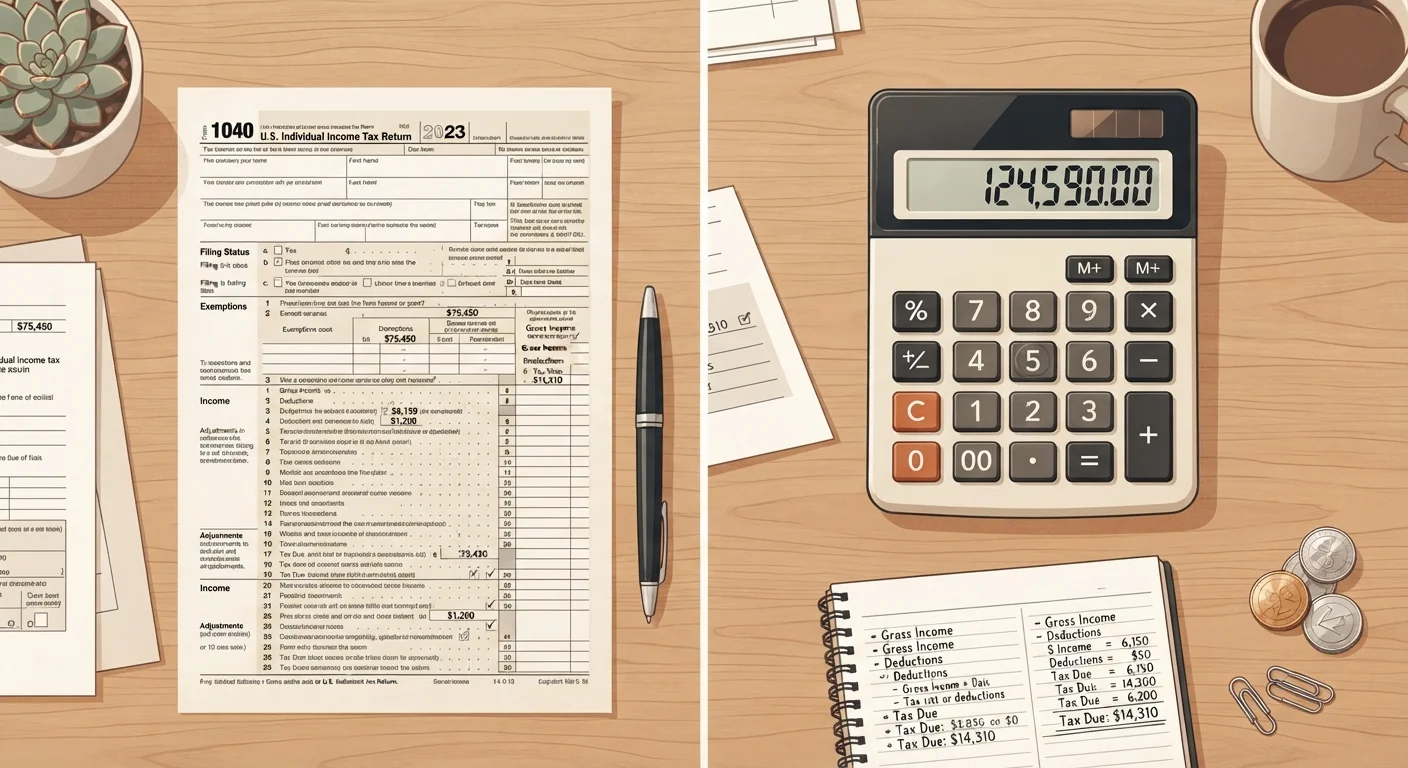
Marginal Tax Rate vs. Effective Tax Rate: What You're Actually Paying
Many people misread their own tax burden because of one concept. Learn the difference between marginal and effective tax…
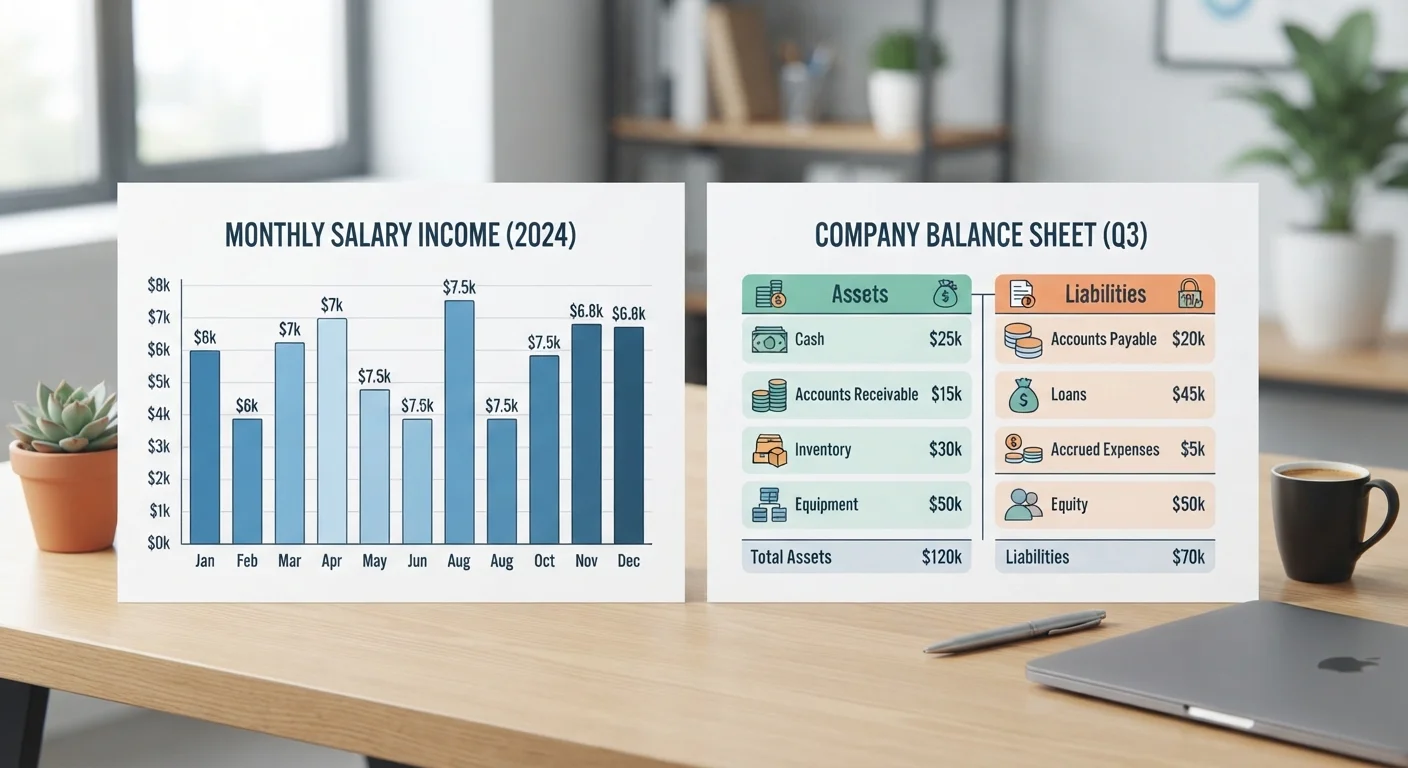
Net Worth vs. Income: Two Numbers That Tell Very Different Stories
Income and net worth are often confused. Understand what each measures, why the difference matters, and how both shape y…

Opportunity Cost: The Hidden Price of Every Financial Choice
Every financial decision means giving up something else. Understand how opportunity cost works and why it's a useful len…

The Time Value of Money: Why a Dollar Today Outweighs a Dollar Tomorrow
The time value of money is a foundational finance concept. This explainer breaks down why timing affects what money is a…