
A Practical Introduction to Road Safety for New American Drivers
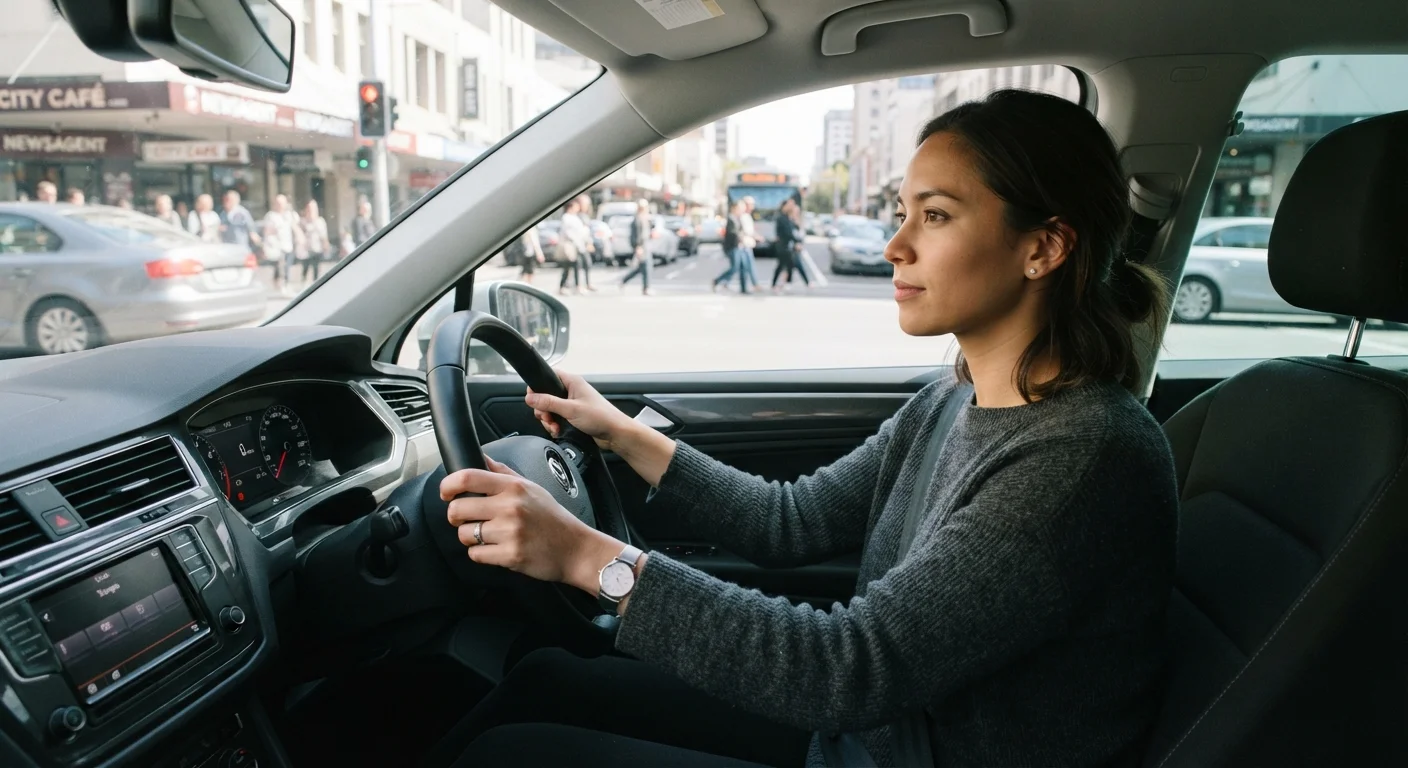
Photo credit: TrendingFaqs.com
In this article
From understanding traffic signs to managing highway anxiety, a grounded starting point for drivers just finding their confidence.
Key Takeaways
- Following distance and speed management prevent more crashes than any other single habit.
- Intersections cause a large share of traffic crashes, so slowing and scanning before crossing matters.
- Highway driving demands a different mindset than city streets, especially during merging.
- Distracted driving includes hands-free phone use, not just looking at a screen.
- Fatigue impairs reaction time in ways that are easy to underestimate behind the wheel.
Reading the road: signs, signals, and lane markings
Traffic signs use shape and color as a fast communication system. Octagon means stop, always. Triangle pointing down means yield. Yellow diamonds flag hazards ahead. If you stop noticing signs because they feel routine, that's when you miss the one that matters.
Lane markings carry just as much information. A solid yellow center line means no passing. A broken yellow line means passing is allowed when safe. Solid white lines on your right edge mark the road boundary; dashed white lines separate lanes moving in the same direction.
Traffic signals are straightforward, but new drivers sometimes freeze on a yellow light. Yellow means the signal is about to turn red, not that you should accelerate. If you can stop safely before the line, stop. If you are already committed and stopping would be abrupt, clear the intersection at your current speed without speeding up.
Following distance
The space between your vehicle and the one in front of you, measured in time rather than feet. More distance means more time to react if traffic stops suddenly.
Right-of-way
The legal or conventional priority that determines which driver goes first at an intersection or merge point. Yielding right-of-way means letting the other driver proceed first.
Blind spot
An area around your vehicle that your mirrors don't show. Checking over your shoulder before changing lanes addresses the blind spot on each side.
Hydroplaning
When a thin layer of water builds up between your tires and the road, reducing your ability to steer or brake. It happens most easily at higher speeds in rain.
Zipper merge
A merging technique where drivers in two lanes alternate, one by one, like the teeth of a zipper. It distributes traffic evenly and reduces overall congestion.
Space and speed: the two variables that prevent most crashes
Most crashes come down to two things: not enough space between vehicles, and too much speed for the conditions. Posted speed limits are maximums for ideal conditions, not targets for every situation. Rain, poor visibility, heavy traffic, or an unfamiliar road all call for going slower than the limit allows.
Following distance gives you time to react. The three-second rule is a practical minimum: as the car ahead passes a fixed point, count three seconds before you reach the same point. At highway speeds that gap is much shorter than it looks, which is why highway rear-end crashes happen so quickly.
Tailgating is one of the most common habits new drivers fall into, often without realizing it. If the car in front brakes and you don't have time to react, the space was already too small. See our guide to habits new drivers often skip for more on building this reflex early.
A simple check for your following gap
Pick a bridge pillar, a road sign, or any fixed point ahead. When the car in front passes it, count one-one-thousand, two-one-thousand, three-one-thousand. If you reach that point before you finish counting, you are too close. This works at any speed and takes no equipment.
Intersections, merging, and the situations that trip up new drivers
A large share of traffic crashes happen at intersections. Even when you have a green light, slowing slightly and scanning left, right, and left again before committing to the crossing reduces your exposure to drivers who run late reds or roll through stops. See our breakdown of why intersection crashes are so common for more on the specific behaviors involved.
Merging onto a highway is the situation most new drivers dread. The goal is to match the speed of highway traffic before you run out of on-ramp, then find a gap and slide in. Slowing to a stop at the end of an on-ramp and waiting for a gap is dangerous because it puts a stationary vehicle in a lane where cars are traveling at 60-plus miles per hour. For step-by-step guidance, our overview of safe merging techniques covers zipper merging and lane changes in plain terms.
Four-way stops trip up even experienced drivers. The rule: the first car to stop goes first. If two cars arrive at the same time, the car on the right goes first. If you are across from each other going straight, you can proceed simultaneously. Turn situations get more complex, and when in doubt, a brief pause and eye contact with the other driver costs you three seconds and prevents a collision.
Highway driving for the first time
Highway driving demands a different mindset than surface streets. Speeds are higher, mistakes happen faster, and there is less room for hesitation. Our article on what highway driving demands goes deeper on the specific adjustments new drivers need to make.
A few principles help most: stay in the right lane unless you are actively passing, keep a larger following gap than you think you need, and scan well ahead rather than fixating on the car directly in front of you. Looking further down the road gives you more time to respond to brake lights or lane changes upstream.
If you miss your exit, continue to the next one and turn around. Braking hard or cutting across solid white lines at the last moment is far more dangerous than a few extra miles. And if the highway genuinely causes anxiety, building up to it gradually by first driving on less-traveled stretches, then during off-peak hours, is a reasonable approach.
Distractions, fatigue, and other habits to build early
Distracted driving goes beyond looking at a phone. Adjusting the radio, eating, reaching for something on the passenger seat, or being absorbed in a conversation with a passenger all split attention from the road. Our article on distracted driving myths addresses the common belief that hands-free calls are a safe alternative: research shows cognitive distraction persists even with eyes on the road.
Fatigue is underestimated because it builds gradually. Drivers often don't notice how slow their reaction time has become until they catch themselves startling at something that should have registered earlier. If you feel drowsy, pull off safely and rest. Stimulants like caffeine reduce the feeling of tiredness, but they don't fully restore reaction speed.
Weather is another variable worth taking seriously early. Rain, fog, and ice all change how your car brakes and steers. Our guide to driving in bad weather outlines the specific adjustments for each condition. For drivers who mostly travel city routes, rural road hazards are worth knowing about too: lower traffic volume does not mean lower risk. And understanding the difference between confident driving and aggressive driving matters more than many new drivers expect; see our piece on aggressive versus assertive driving for where that line falls.
This article is for general informational purposes only. Traffic laws and regulations vary by state; always consult your state's official driver handbook and follow local laws.
Frequently Asked Questions

Author
Cars Editorial Team
Cars Editorial Team is the collective byline for our editorial team and contributor network. Articles published under this byline or an editorial pen name are researched, written, and reviewed according to our editorial standards for clarity, consistency, and independence before publication.
View all articles →