
What Highway Driving Demands That City Streets Do Not
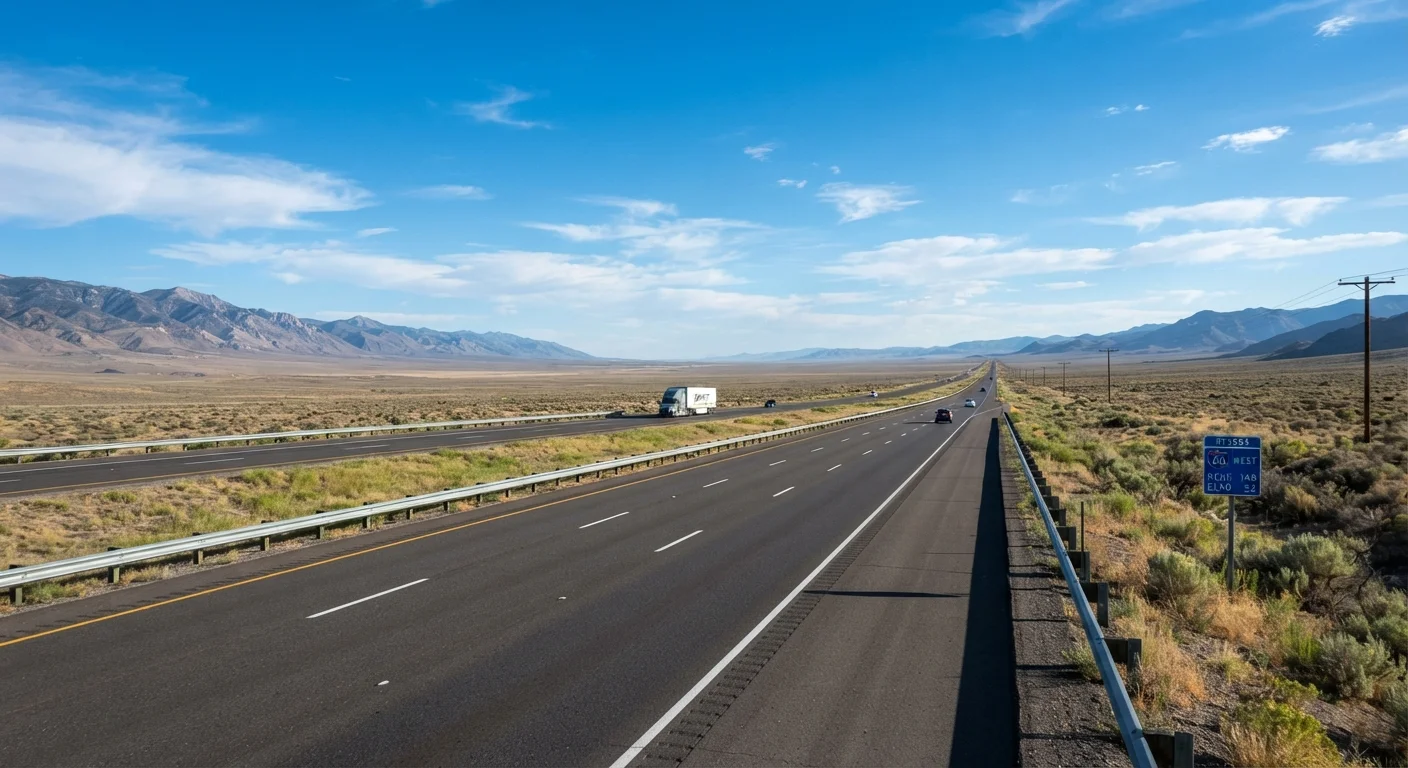
Photo credit: TrendingFaqs.com
In this article
Merging, lane discipline, and speed management on highways require a different mindset than urban driving. Here is what to know.
Key Takeaways
- Highway driving requires sustained attention over long distances, where fatigue and complacency are real hazards.
- Merging and lane changes at speed demand more planning and earlier signaling than city maneuvers do.
- Following distances on highways need to be significantly longer than what city speeds require.
- City driving involves constant scanning for pedestrians, signals, and sudden stops that highways mostly eliminate.
- Both environments reward anticipation, but the threats you are anticipating are fundamentally different.
How the two environments differ at a fundamental level
City streets and highways share asphalt and traffic laws, but they ask very different things of a driver. On city streets, threats come from every direction at once: a pedestrian stepping off a curb, a delivery van double-parked, a light turning red two blocks ahead. The pace is interrupted and reactive. Attention is wide but shallow at any given moment.
On a highway, threats are narrower but faster. A vehicle merging without checking its blind spot, a sudden slowdown three cars ahead, a tire blowout at 70 mph. You have more lane width and fewer cross-streets, but the speed means errors cost you less time to correct and carry larger consequences.
Neither environment is harder in an absolute sense. They each build on a different set of habits, and drivers who have spent years in one often underestimate what the other demands. A grounded introduction to road safety covers both, but it is worth looking at each one on its own terms.
| Criterion | Highway driving | City driving |
|---|---|---|
| Typical speed | 55 to 75 mph | 15 to 45 mph |
| Main hazard type | Speed, fatigue, merging errors | Pedestrians, intersections, stops |
| Following distance needed | 3+ seconds minimum | 2 to 3 seconds typical |
| Lane discipline complexity | High (passing lanes, merging) | Moderate (turns, bus lanes) |
| Decision frequency | Lower but higher stakes | Very high, rapid sequence |
| Fatigue risk | High on long stretches | Low to moderate |
| Pedestrian/cyclist exposure | Very low | Very high |
What highway driving specifically demands
Speed changes everything about timing. At 65 mph, your car covers roughly 95 feet per second. A following distance that feels generous in city stop-and-go traffic is dangerously short on a highway. The standard guidance of a three-second gap between you and the car ahead is a floor, not a target, and in wet or low-visibility conditions it should be longer. See our guide to driving in bad weather for how conditions affect stopping distance.
Merging is the skill most drivers were never properly taught. Entering a highway requires matching the speed of traffic on the main road before you reach the end of the on-ramp, not after. Drivers who slow down or stop at the merge point create a hazard for every vehicle behind them. Safe merging technique is worth reading in detail if this step feels uncertain.
Lane discipline on a highway also matters more than it does in the city. The left lane on a multi-lane highway is for passing, not cruising. Sitting in it at a speed slower than surrounding traffic creates friction and prompts the kind of aggressive passing that causes crashes. Move right when you are not actively overtaking.
Fatigue is a highway-specific hazard that city driving rarely produces in the same way. The monotony of a straight road, steady engine noise, and minimal decision-making can produce a drowsy state faster than most drivers expect. On long trips, stopping every two hours is a reasonable baseline.
What city driving specifically demands
Urban driving compresses decision-making into a much smaller window. Intersections, pedestrian crossings, cyclists in bike lanes, buses pulling into traffic, and parked cars with doors that open without warning all require a driver to manage a wide field of attention simultaneously.
Scanning ahead, not just at the car in front of you, is the core habit. A driver who only watches the vehicle immediately ahead will always be reacting instead of anticipating. Looking two or three cars ahead lets you see brake lights before you need your own.
Speed zones in the city carry legal and safety weight that highways do not replicate. School zones and work zones carry reduced limits and increased penalties. The rules around school and work zones are worth knowing specifically, because violations in those areas affect the people most at risk.
City driving also trains patience, which transfers well to any driving environment. Stop-and-go traffic, long red lights, and pedestrian delays are part of the environment, not obstacles to it. Drivers who treat them as obstacles tend to make decisions under frustration that they would not make otherwise.
Safe habits that new drivers often skip covers several urban-specific behaviors that get glossed over in standard driver education but matter in daily driving.

Author
Cars Editorial Team
Cars Editorial Team is the collective byline for our editorial team and contributor network. Articles published under this byline or an editorial pen name are researched, written, and reviewed according to our editorial standards for clarity, consistency, and independence before publication.
View all articles →