
Safe Driving Habits That New Drivers Often Skip Over
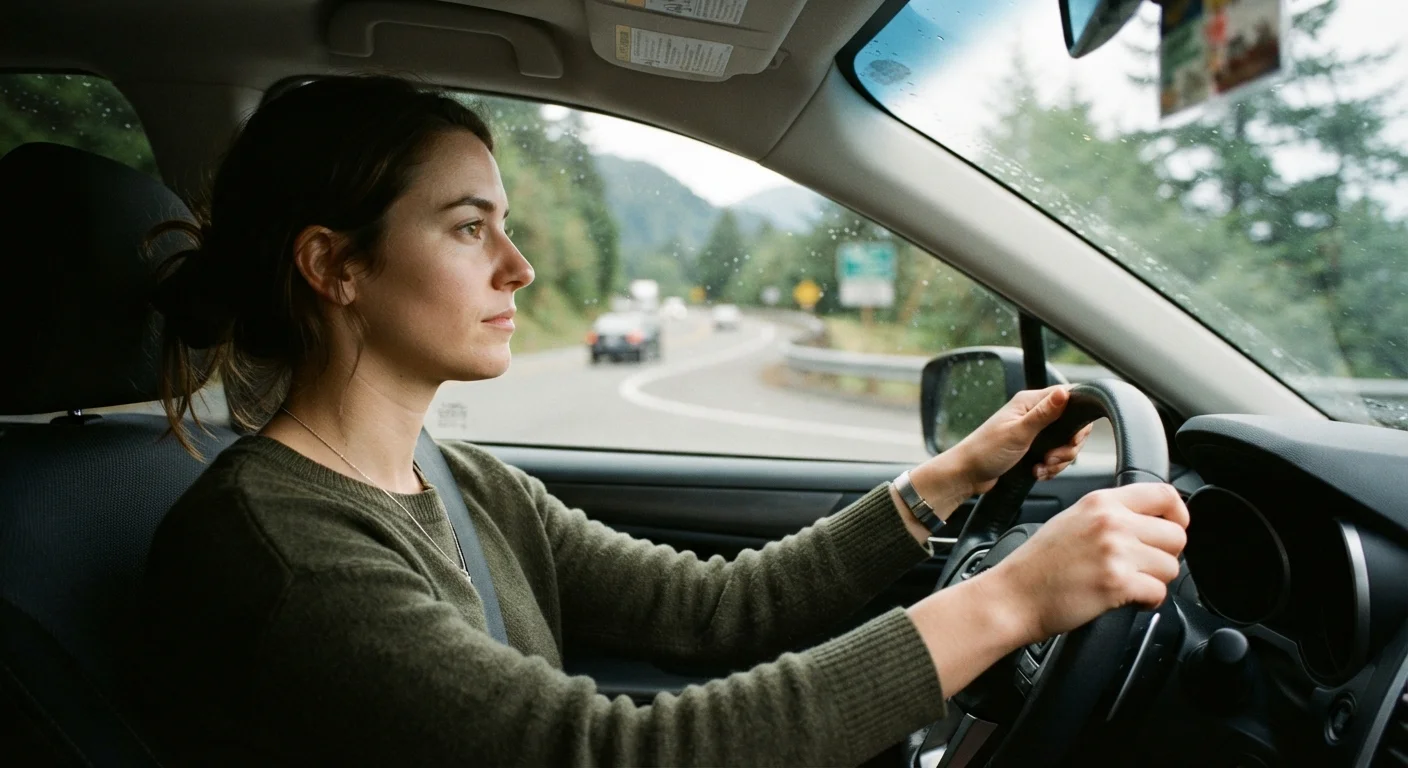
Photo credit: TrendingFaqs.com
In this article
Driving school covers the basics, but many foundational safety habits get glossed over. Here is what new drivers should build early.
Key Takeaways
- New drivers often skip adjusting mirrors and checking blind spots before every trip.
- Following distance is routinely underestimated, especially at highway speeds.
- Driving while fatigued is more dangerous than most new drivers recognize.
- Consistent pre-drive checks take under two minutes and prevent avoidable problems.
- Weather and road conditions require deliberate adjustments new drivers rarely practice.
Why driving school leaves gaps
Passing a driving test proves you understand the rules. It does not prove you have built the habits that keep you safe over years of driving. Most new drivers leave their licensing course knowing how to parallel park and identify road signs, but several foundational safety practices get little classroom time. The result is a gap between what the test covers and what actually prevents crashes.
The crash risk for new drivers is disproportionately high in the first year behind the wheel. The habits covered below are the ones most likely to make a real difference during that window.
Common mistakes new drivers make
The following errors are not dramatic or obvious. That is exactly what makes them persistent. They feel like non-issues right up until they are not.
Not adjusting mirrors before driving.
Why it happens: Mirrors get bumped and shifted, but most new drivers only set them once and assume they stay put. The habit of checking them at the start of each trip rarely gets drilled in training.
Following the car ahead too closely.
Why it happens: New drivers often match whatever gap the surrounding traffic uses, without calculating whether that distance gives enough stopping room. At highway speeds, a two-second gap closes faster than most people expect.
Driving while tired.
Why it happens: Fatigue feels manageable until it is not. New drivers, many of whom are teenagers or young adults with irregular sleep, tend to underestimate how significantly tiredness degrades reaction time and judgment.
Treating yellow lights as a cue to speed up.
Why it happens: New drivers sometimes accelerate through a yellow light to avoid stopping, especially when they feel uncertain about intersection timing. This habit is common and genuinely dangerous.
Merging without checking blind spots.
Why it happens: Checking mirrors feels sufficient, but mirrors do not cover every angle. New drivers may not have practiced the head-check motion enough for it to feel automatic.
For a broader starting point, the practical introduction to road safety covers additional fundamentals worth reviewing early.
Habits worth building before they become necessary
~16%
Share of all U.S. crashes involving drivers aged 16-20
According to the National Highway Traffic Safety Administration, drivers aged 16 to 20 are involved in a disproportionate share of crashes relative to their share of total licensed drivers.
3 seconds
Minimum recommended following distance in normal conditions
Traffic safety organizations including the National Safety Council recommend a minimum three-second following distance, extended in poor weather or low-visibility conditions.
Two habits that rarely make it into driving school curriculum deserve specific attention.
Pre-drive checks. Before pulling out, spend 60 to 90 seconds confirming that mirrors are set correctly, seat position is adjusted, and nothing is obstructing rear visibility. Small vehicles, kids on bikes, and shopping carts are easy to miss when you skip this step. The small safety components on your car, including wiper blades and brake lights, are also worth a quick look at regular intervals.
Adjusting for conditions. New drivers often apply the same driving style regardless of weather or road type. Rain, fog, and low light all demand lower speeds and larger following distances. Driving in rain, fog, and snow requires habits that feel overcautious at first but become second nature quickly. Similarly, rural roads carry hazards that city drivers rarely encounter, including wildlife and unmarked intersections.
Distracted driving is a separate category worth its own attention. The myths around distracted driving are widespread, and even experienced drivers tend to underestimate the risk.

Author
Cars Editorial Team
Cars Editorial Team is the collective byline for our editorial team and contributor network. Articles published under this byline or an editorial pen name are researched, written, and reviewed according to our editorial standards for clarity, consistency, and independence before publication.
View all articles →