
Merging Without Causing a Crash: The Skills Most Drivers Were Never Taught
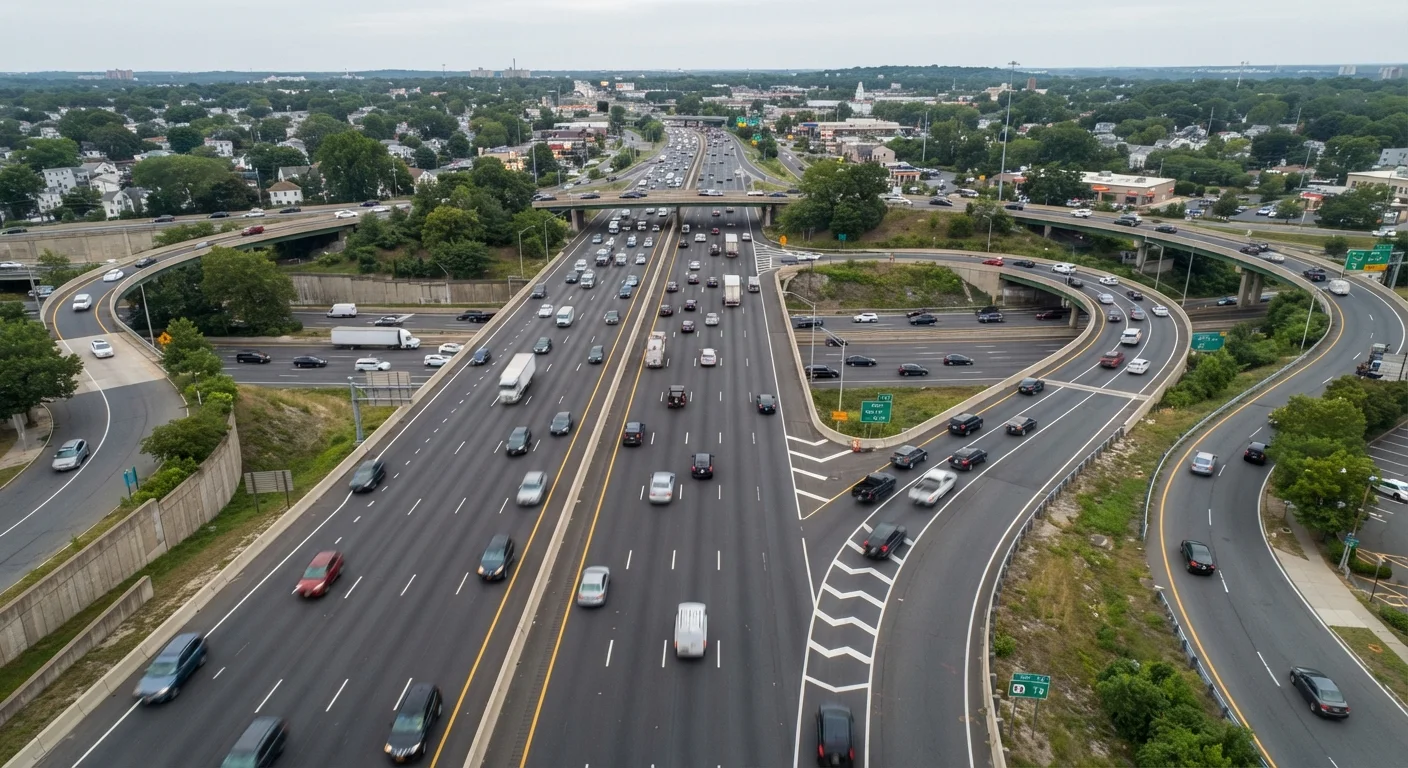
Photo credit: TrendingFaqs.com
In this article
Poor merging causes thousands of accidents each year. Clear, practical guidance on zipper merging, on-ramps, and lane changes.
Key Takeaways
- Match highway traffic speed before merging, not after entering the lane.
- Zipper merging, where drivers alternate one by one, moves traffic faster and more safely than early lane changes.
- Checking mirrors and doing a head check before every lane change closes the blind spot gap mirrors leave.
- Leaving adequate following distance gives you time to react when a merge goes wrong ahead of you.
- Hesitation and last-minute braking on on-ramps cause more problems than merging too late.
Why merging goes wrong so often
Most drivers learned to merge by watching other drivers, which means the bad habits passed right along with the good ones. Merging failures typically fall into two categories: drivers who enter the highway too slowly, and drivers who change lanes without confirming the space is actually clear.
Both problems come down to a gap between where your attention is and where the threat actually is. On an on-ramp, you are focused on the cars ahead of you on the ramp while the real question is whether the traffic in the target lane will let you in at speed. On a multi-lane road, you check the mirror but skip the head check, and a car sits right in the zone the mirror does not cover.
Highway driving adds another layer because everything happens faster. A two-second hesitation that is harmless in a parking lot can put you in a dangerous position at 65 mph. The skills below are not complicated, but most driving schools spend very little time on them.
What to do before you ever reach the merge point
Preparation starts well before the merge itself. Whether you are approaching a highway on-ramp or moving through a lane reduction, these habits reduce the pressure when the critical moment arrives.
Set your mirrors before you drive
Side mirrors adjusted too far inward show you the side of your own car, which is not useful. Adjust each mirror outward until you can just barely see the edge of your vehicle. This position reduces the blind zone significantly and gives you a better view of the lanes beside you.
What you will need
Side mirrors
Provide a rear view of adjacent lanes; must be adjusted correctly to minimize blind zones before merging.
Rearview mirror
Shows traffic directly behind your vehicle; used together with side mirrors to build a full picture before a lane change.
Blind spot monitoring system
Alerts you to vehicles in the mirror blind zone; useful as a secondary check but not a substitute for a head check.
Step-by-step merging technique
Follow these steps in order every time you merge. With practice, they become fast enough that they feel automatic.
Check your mirrors early
Start scanning your mirrors as soon as you know a merge is coming. On an on-ramp, this means looking at highway traffic while you are still accelerating on the ramp. On a lane reduction, start observing the target lane at least 10 to 15 seconds before the merge point. You want a picture of traffic density, speed, and gap size before you need to act.
Match the speed of traffic in the target lane
On an on-ramp, use the full length of the acceleration lane to reach the speed of highway traffic. Entering at 45 mph when traffic is moving at 65 mph forces every car behind you to brake and creates the kind of speed differential that causes rear-end crashes. If the ramp is short, accelerate as much as it safely allows.
Identify your target gap
Pick a specific gap between two vehicles in the target lane, not just a general area of open space. The gap should be large enough that you can enter without forcing the following driver to brake hard. A gap roughly equivalent to three to four car lengths at highway speed is a reasonable minimum.
Signal, check mirrors, do a head check
Turn on your signal to communicate your intent, then check your side mirror for the gap you identified, then turn your head and look over your shoulder into the blind spot zone. All three steps happen before you move the wheel. The sequence matters: the signal tells other drivers what is coming, and the head check confirms the space is clear right now.
Move smoothly into the lane
Steer into the gap with a gradual, controlled movement. Avoid jerking the wheel or making a sudden lane change. Once your vehicle is fully in the lane, cancel the signal and match the following distance of surrounding traffic. Look ahead, not just at the car directly in front of you, to anticipate braking or lane changes further up.
Zipper merging: how it works and why drivers resist it
Zipper merging is the practice of using a closing lane all the way to the merge point, then taking turns one vehicle at a time with traffic in the continuing lane. Transportation agencies in several states have actively encouraged zipper merging because it reduces the length of backups and lowers the risk of rear-end collisions caused by drivers braking early to leave a gap.
Most drivers resist it because it looks aggressive. Pulling ahead in a closing lane while others have already moved over feels like cutting. It is not. The lane is open until the merge point, and using it fully is what the zipper technique requires. The obligation on drivers in the continuing lane is to leave one car-length and alternate.
If you are in the continuing lane and someone merges in front of you at the designated point, that is the system working correctly. Blocking a zipper merge by closing the gap is what actually slows traffic and raises crash risk. See our overview of highway driving demands for more on how lane discipline affects everyone on the road.
Never stop in a travel lane to yield
Stopping your vehicle in a moving travel lane to wait for a gap is one of the most dangerous things you can do on a highway. Drivers behind you expect moving traffic and may not have time to stop. If you miss a gap, adjust your speed gradually and wait for the next one.
Blind spots and the head check you cannot skip
Every vehicle has a zone on each rear quarter that mirrors do not fully cover. The exact size of that zone varies by vehicle body style, mirror adjustment, and whether the car has a convex mirror segment. You cannot assume your mirrors show you everything.
A proper head check means turning your head to look over your shoulder into the blind spot zone just before you move into the lane. Mirrors tell you what was there a moment ago. The head check tells you what is there right now. For a complete breakdown of mirror setup and when to rely on a head check, see our article on blind spot awareness for drivers.
Newer vehicles with blind spot monitoring systems use a light or chime to alert you when a vehicle is detected in the zone. These systems are a backup, not a replacement for the head check. Sensors can miss motorcycles, bicycles, or very fast-approaching vehicles at certain angles.
This article provides general driving guidance for informational purposes only. Always follow the traffic laws of your state and use your own judgment based on actual road conditions.

Author
Cars Editorial Team
Cars Editorial Team is the collective byline for our editorial team and contributor network. Articles published under this byline or an editorial pen name are researched, written, and reviewed according to our editorial standards for clarity, consistency, and independence before publication.
View all articles →