
Teen Drivers and Risk: What the Crash Statistics Reveal
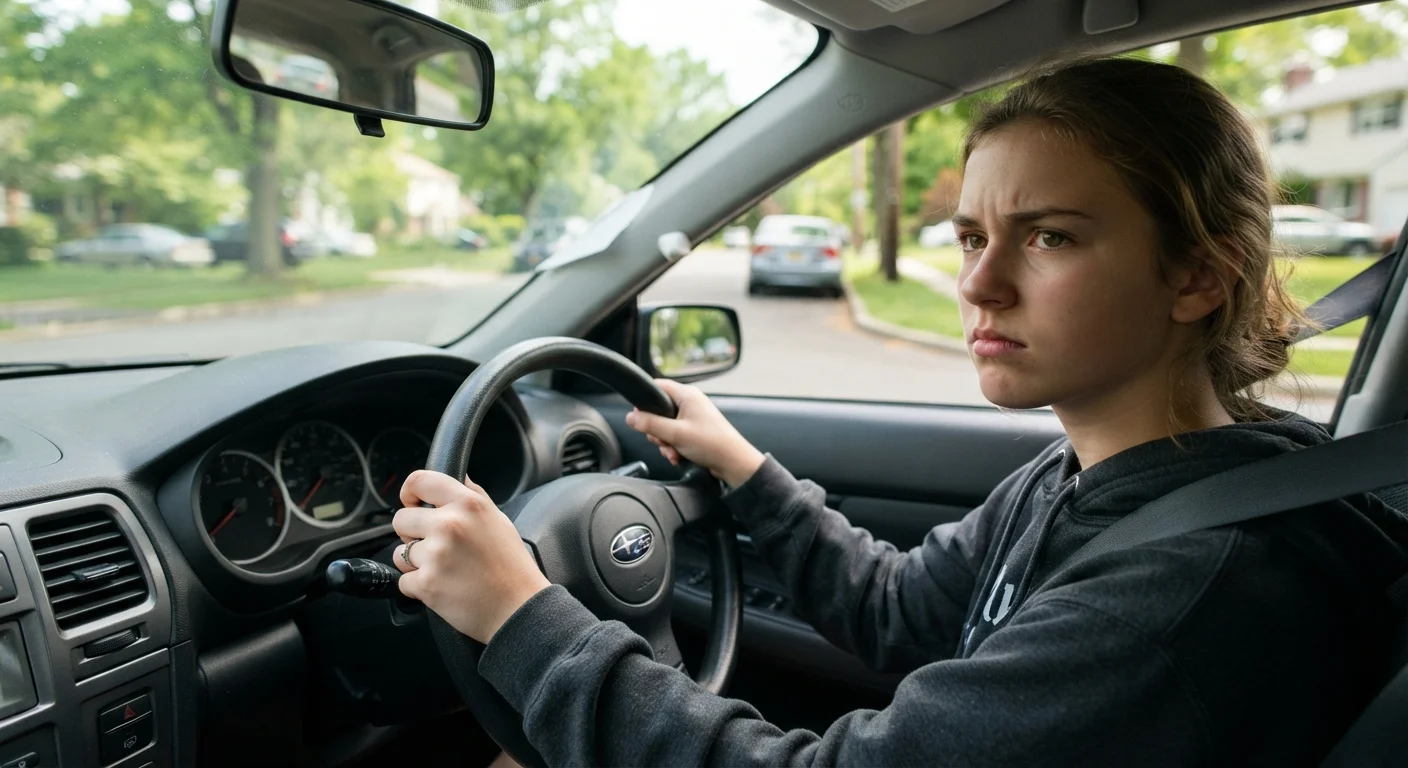
Photo credit: TrendingFaqs.com
In this article
New drivers face a disproportionate crash risk in their first year. A clear look at why, and how families can help reduce it.
Key Takeaways
- Drivers aged 16 to 19 have crash rates roughly three times higher than drivers 20 and older per mile driven.
- The first six months after licensing carry the greatest danger, before experience begins to build.
- Nighttime driving and carrying teen passengers both multiply crash risk for new drivers.
- Graduated Driver Licensing laws reduce teen crash deaths in states where they are in effect.
- Parental involvement and consistent rules at home matter as much as formal driver education.
The numbers behind the risk
Drivers aged 16 to 19 are involved in crashes at a rate roughly three times higher than drivers aged 20 and older when measured per mile driven, according to federal traffic safety data. Per mile driven, the gap between teens and middle-aged adults is even wider: a 16-year-old driver faces crash odds several times greater than a 40-year-old with decades of experience.
That gap is not primarily about recklessness. It is about inexperience. Reading a complex intersection, judging following distance at highway speed, reacting to a suddenly stopped vehicle ahead: all of these involve pattern recognition built through repetition. New drivers simply have not had enough hours to build those patterns reliably.
3x
Teen crash rate vs. drivers 20 and older
Per mile driven, 16- to 19-year-olds have crash rates roughly three times those of adults, based on federal highway safety data.
6-12 months
Highest-risk window after licensing
The period immediately following independent licensure carries the greatest crash probability before experience begins to accumulate.
50+ hours
Recommended supervised practice before solo driving
Many traffic safety researchers and driver education programs suggest at least 50 hours of supervised driving in varied conditions before a teen drives independently.
Fatal crash rates tell a similar story. Teen drivers account for a share of traffic deaths well above what their proportion of licensed drivers would predict. Nighttime hours and weekend evenings carry the heaviest concentration of fatal teen crashes.
Why the first year is the most dangerous
The first six to twelve months after a teen receives a full license represent the period of highest risk. During that window, a new driver moves from supervised practice to fully independent driving, often without a gradual transition. The jump from driving with a parent in the car to driving alone at night with friends is significant.
Several factors combine during this period. Teens have not yet built the automatic habits that let experienced drivers handle routine tasks without conscious effort. At the same time, social and emotional factors specific to adolescence, including the desire to impress peers and a tendency to underestimate consequences, add pressure that more experienced drivers have learned to filter out.
Passenger presence amplifies this. A 16-year-old driving two teen friends is statistically far more likely to be involved in a crash than the same driver alone. A practical introduction to road safety for new drivers covers the habits and mindset that help new drivers build confidence safely.
High-risk situations that show up repeatedly in crash data
Traffic crash data consistently point to a few specific conditions where teen drivers are overrepresented:
- Nighttime driving, particularly between 9 p.m. and midnight
- Intersections, where multiple decisions must happen in sequence under time pressure
- Rural two-lane roads, which demand different skills than suburban streets
- Highways, where speed management and lane changes require practiced judgment
Intersections account for a large share of crashes across all age groups, but new drivers lack the anticipatory skill to read developing hazards early. Why so many crashes happen at intersections explains the specific behaviors that raise risk at those spots.
Rural roads present a separate challenge. Lower traffic volume can create a false sense of safety, but narrow lanes, wildlife crossings, limited lighting, and longer emergency response times make mistakes more costly. The risks of rural road driving goes into the details that urban-trained drivers often miss.
What families and teens can do
Set house rules beyond state GDL minimums
All 50 states have Graduated Driver Licensing laws, but the restrictions vary widely. Families can go further by limiting nighttime driving and passengers for a full year regardless of what the law requires. Treating these as firm, consistent expectations rather than negotiable suggestions makes them easier to maintain.
Graduated Driver Licensing laws exist because research showed that restricting when and with whom new drivers can operate a vehicle reduces crashes. Families can extend that logic even in states with relatively lenient GDL rules by setting their own limits on nighttime driving and passenger numbers during a teen's first year.
Supervised practice hours matter more than most parents realize. Driving in varied conditions, including rain, night, highway merging, and urban parking, builds the pattern recognition that reduces crash risk. Fifty or more hours of supervised practice before solo driving is a reasonable benchmark, though more is better.
Consistent conversations about specific situations, rather than general warnings, also help. Talking through what to do when a light turns yellow at speed, how to handle a driver tailgating, or when to pull over and wait out bad weather gives a new driver a mental script to draw on before the moment arrives. Common distracted driving myths worth correcting is a useful starting point for one of those conversations.
Frequently Asked Questions

Author
Cars Editorial Team
Cars Editorial Team is the collective byline for our editorial team and contributor network. Articles published under this byline or an editorial pen name are researched, written, and reviewed according to our editorial standards for clarity, consistency, and independence before publication.
View all articles →