
Wiper Blades, Headlights, and Other Small Parts That Quietly Affect Safety
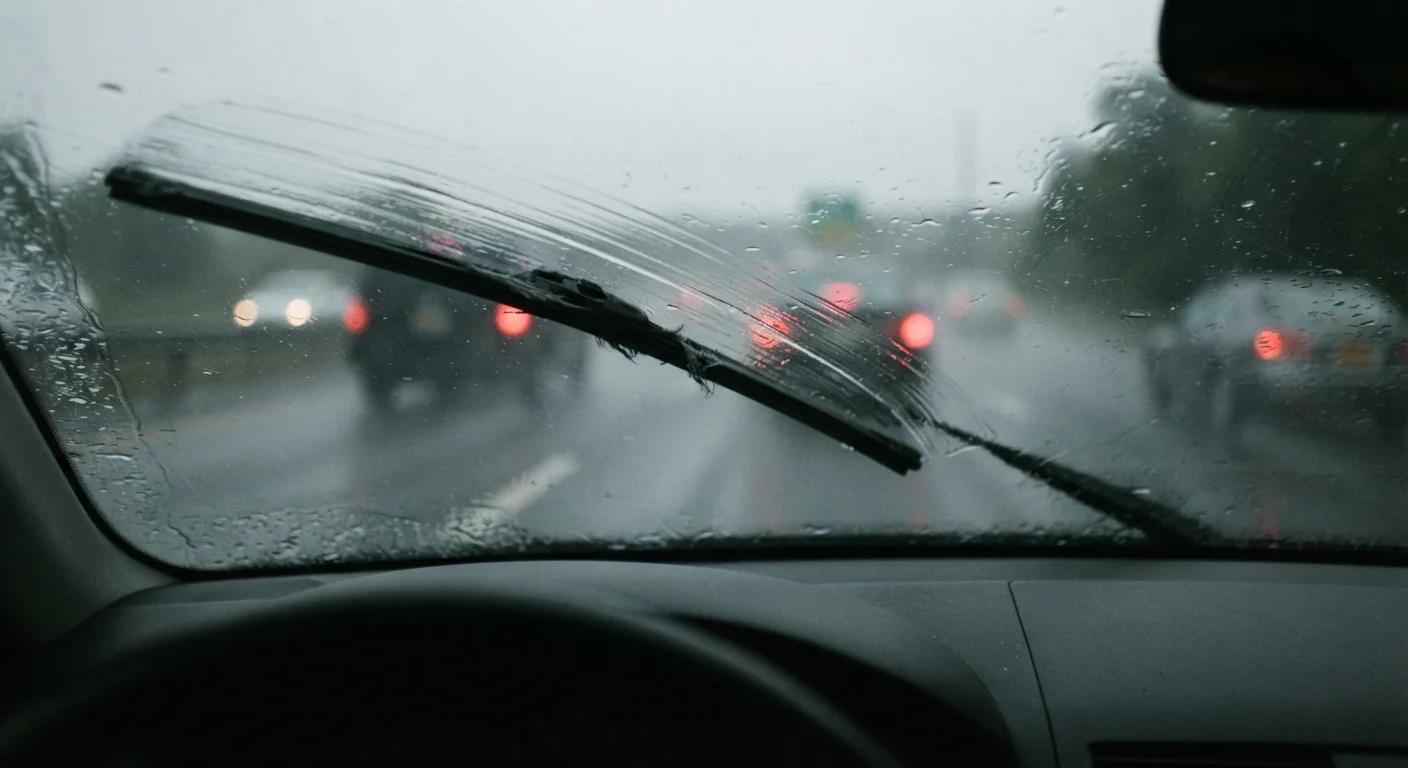
Photo credit: TrendingFaqs.com
In this article
Minor components often get overlooked until they fail. Learn how to inspect and replace wipers, bulbs, and other small but important safety items.
Key Takeaways
- Wiper blades, bulbs, and mirrors are small items that directly affect how well you see and are seen.
- Most of these parts are inexpensive and can be inspected or replaced without a mechanic.
- Waiting until something fails completely is riskier than checking on a simple schedule.
- Many safety-related small parts degrade gradually, so the decline is easy to miss until conditions get bad.
The parts that get overlooked until something goes wrong
Big-ticket maintenance items get attention. Oil changes, brake pads, and tires are things drivers know to watch. The smaller components, the ones that cost less and degrade slowly, tend to slip by until a rainy night or a dark highway makes the problem obvious. By then, the conditions for an incident are already in place.
Most of these items are inexpensive to check and to replace. The challenge is remembering to look at them before a problem surfaces. If you are thinking about where these fit into your overall maintenance priorities, prioritizing car maintenance when money is tight breaks down which tasks are safety-critical and which have more flexibility.
Build a quick monthly walk-around habit
Once a month, walk around the car with the lights on and check every exterior bulb, then run the wipers on a wet windshield. The whole check takes under five minutes and catches most of these issues before they become problems on the road. Pair it with a fuel stop or the first day of the month to make it easy to remember.
Six small parts worth checking on a regular basis
Wiper blades
A wiper blade that skips, streaks, or squeaks is not just annoying. In heavy rain, it can reduce your forward visibility to the point where you are reacting to obstacles rather than seeing them in time. Rubber compounds in the blade harden and crack with age and UV exposure, even if the wipers are rarely used.
Most manufacturers suggest replacing blades every six to twelve months, though your driving environment matters. Drivers in hot, sunny climates often see faster degradation. A simple test: run the wipers on a wet windshield and watch whether they clear cleanly in a single pass. Smearing, skipping, or a squealing sound are all signs the blades need to go. Pair new blades with a good windshield cleaning to remove the film of debris that builds up on glass over time. For more on driving when conditions are already bad, see how to adjust your driving in rain, fog, and snow.
In heavy rain, a streaking wiper blade can reduce your forward visibility faster than you expect.
Headlights and taillights
A single burned-out headlight cuts your night visibility significantly and makes your vehicle harder for other drivers to read correctly. Many drivers do not notice a dim or dead bulb because the car still appears to have light in front of it. A monthly walk-around check, with headlights, taillights, and brake lights on, catches this quickly.
Headlight lenses also fog over time. Oxidation (a yellowing or hazy film on the plastic lens cover) scatters light rather than projecting it forward, which can reduce effective beam distance considerably. Lens restoration kits are available, and some auto parts stores offer to do the work while you wait. If a bulb is out, replacing it is often a job a careful owner can handle with a vehicle manual as a guide, though some modern vehicles require professional access to sealed assemblies.
A single burned-out headlight cuts your night visibility significantly, often without the driver noticing.
Turn signals and hazard lights
Turn signals are how you communicate your next move to everyone around you. A burned-out signal bulb does not just create a legal problem. It removes information that other drivers and cyclists are relying on. Some vehicles indicate a failed signal bulb by flashing faster than normal (a rapid-blink pattern), but not all do.
Hazard lights matter when you are stopped on the side of the road or slowing unexpectedly. A bulb that works for normal signaling can still fail in hazard mode if the wiring for that circuit has an issue. Walking around the car with the hazards on for ten seconds costs nothing and takes almost no effort.
A dead turn signal removes information that drivers and cyclists around you depend on.
Mirrors and their adjustments
Mirrors that are cracked, fogged from inside, or simply out of position limit your situational awareness in ways that matter most during lane changes and reversing. A cracked side mirror does not reflect a full, accurate image. Power mirror motors can fail in one direction, leaving the glass stuck in a position that does not cover the intended zone.
For proper side mirror alignment, sit in your normal driving position and adjust each mirror so the edge of your vehicle just disappears out of frame. This maximizes the adjacent lane coverage. Center mirror position should show the full rear window with minimal sky or headliner. Blind spot awareness covers the gaps that remain even with correctly positioned mirrors.
A cracked or misaligned mirror does not reflect a full, accurate image of the lane beside you.
Cabin air filter
The cabin air filter controls the quality of air that flows through your heating, ventilation, and air conditioning (HVAC) system into the passenger compartment. A clogged filter does two things that affect safety. First, it reduces airflow to the defroster, which slows windshield clearing in cold or humid weather. Second, it can allow more airborne particles into the cabin over time.
Most vehicles have a cabin filter that owners can reach and replace without tools, often behind the glove box or under the dashboard. Replacement intervals vary, but checking it once a year is reasonable for most drivers. If you live near construction zones, unpaved roads, or areas with high pollen or wildfire smoke, more frequent replacement makes sense. This is one of the items covered in routine services owners commonly skip.
A clogged cabin filter slows windshield defogging, which can delay your ability to see clearly.
Windshield washer fluid and nozzles
Running out of washer fluid in winter, or behind a truck throwing road salt and grime, leaves you with no way to clear the windshield without stopping. Washer fluid formulations designed for cold weather include antifreeze compounds; using plain water in freezing conditions can crack the reservoir or freeze in the lines. Check the fluid level when you stop for gas.
The spray nozzles themselves can clog with mineral deposits over time, causing fluid to spray the hood instead of the glass. A straightened paper clip or a pin can clear most nozzles without any parts cost. If the pump runs but nothing comes out, the nozzle is usually the first thing to check before assuming the pump has failed.
Using plain water in the washer reservoir in freezing weather can crack the reservoir or clog the lines.
Putting it together
None of the items above require specialized knowledge to check. A visual inspection, a walk around the car, and a short test of the wipers will surface most problems before they matter in traffic. Pair this with staying current on the basics covered in tire pressure and tread depth and brake warning signs, and you have covered the parts of your vehicle that are most likely to affect safety on a daily basis.
The goal is not to turn every driver into a mechanic. The goal is to catch a dead bulb or a cracked wiper before the moment when it would have mattered most.

Author
Cars Editorial Team
Cars Editorial Team is the collective byline for our editorial team and contributor network. Articles published under this byline or an editorial pen name are researched, written, and reviewed according to our editorial standards for clarity, consistency, and independence before publication.
View all articles →