
Cruise Itinerary Types and How to Pick One That Matches Your Travel Style
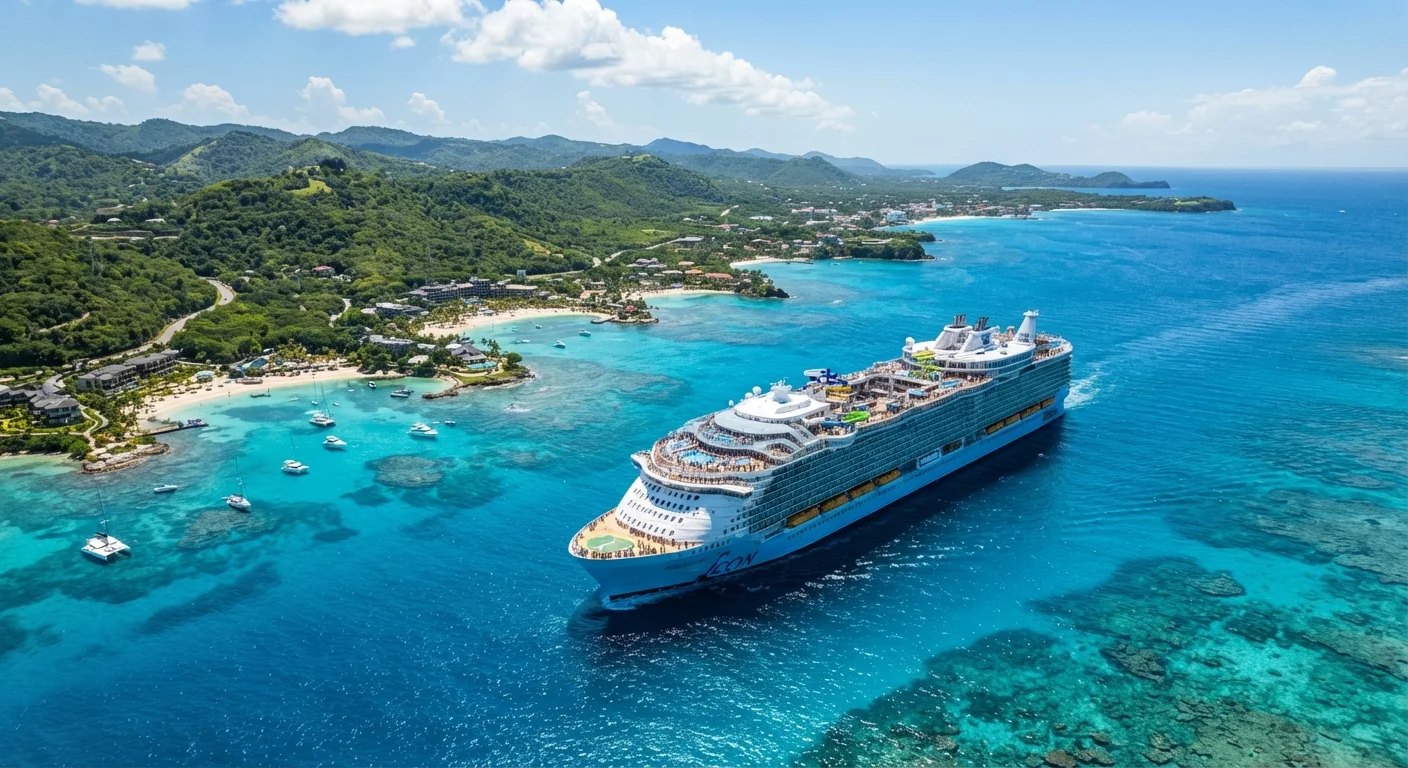
Photo credit: TrendingFaqs.com
In this article
Caribbean loops, transatlantic crossings, Alaska inside passages: explore what different cruise routes offer and how to match one to your goals.
Key Takeaways
- Caribbean loop itineraries suit first-time cruisers who want warm weather, short port stops, and easy logistics.
- Transatlantic and repositioning cruises offer long sea days at lower per-night cost but require more patience with ocean time.
- Alaska and destination-focused routes prioritize scenery and wildlife over beach time, drawing a different kind of traveler.
- Your preferred pace, budget, and tolerance for sea days should drive itinerary selection before ship amenities do.
- Verify entry requirements and travel advisories with official government sources before booking any international cruise.
The four main cruise itinerary types
Cruise routes fall into four broad categories, each with a distinct rhythm. Understanding that rhythm is more useful than comparing ship amenities when you are still deciding whether to book.
Caribbean loops are the most common starting point. A ship leaves a home port in Florida, Texas, or the Southeast, visits three to five islands over seven to ten days, and returns to the same dock. Ports tend to be within a day's sailing of each other, so sea days are short. The climate is predictable, and the infrastructure at each stop (clear water, beach access, shopping strips) is designed around cruise visitors.
Mediterranean circuits move differently. Ships based in Barcelona, Rome, or Athens string together ports across Spain, France, Italy, Croatia, and Greece. Because the distances between cities are relatively short, some itineraries dock at a new port nearly every day. That pace rewards travelers who genuinely want to see multiple countries but can feel rushed if you prefer depth over breadth.
Alaska inside passage routes run mostly in summer. Ships travel up the Pacific coast from Seattle or Vancouver, threading through narrow channels between the mainland and a chain of forested islands. The focus is scenery: glaciers, fjords, and wildlife sightings rather than beach days. These itineraries typically include one or two glacier cruise segments where the ship slows to let passengers observe calving ice.
Transatlantic and repositioning crossings are the outlier. A crossing from New York or Fort Lauderdale to Southampton or Lisbon takes five to seven sea days before any port appears. Repositioning cruises, where a ship moves between seasonal home ports, follow a similar pattern. Both work well for travelers who find sea days genuinely relaxing and want to arrive in Europe without a transatlantic flight.
How pace and sea days shape the experience
The ratio of sea days to port days changes everything about how a cruise feels. A Caribbean loop with seven ports in eight nights leaves little time for the ship's pools, shows, and restaurants. A transatlantic crossing is the opposite: the ship itself is the destination for most of the voyage.
| Caribbean loop | Mediterranean circuit | Alaska inside passage | Transatlantic crossing | |
|---|---|---|---|---|
| Typical length | 7 nights | 7-10 nights | 7-14 nights | 10-15 nights |
| Sea days ratio | Low (1-2 days) | Very low (0-1 days) | Low to moderate | High (5-7 days) |
| Climate | Warm, tropical | Mild to warm | Cool, variable | Variable, can be rough |
| Main draw | Beaches, water sports | History, food, culture | Wildlife, glaciers | Ocean, arrival by ship |
| Best for | First-timers, families | Culture seekers | Nature travelers | Patient, sea-loving cruisers |
| Embarkation options | Many US home ports | Fly to Europe | Seattle or Vancouver | US East Coast ports |
Travelers who get restless without activity tend to do better on port-heavy itineraries. Those who find airports and tight schedules draining often prefer the unhurried pace of a longer ocean crossing. Neither preference is wrong; matching the itinerary to your actual temperament prevents disappointment.
If you are still unsure which style fits, reading about river versus ocean cruise differences can sharpen your thinking, since river itineraries represent an even slower, more immersive pace at the other end of the spectrum.
Matching route to travel goals
Beyond pace, ask what you actually want to bring home from the trip. That question usually points directly to a route type.
If the goal is exposure to history and food culture, Mediterranean circuits have a clear advantage. A single itinerary can cover Roman ruins, French markets, and Croatian old towns within one week. The trade-off is that you rarely spend a full day ashore; most port stops run six to eight hours, which is enough for a guided tour but not for independent wandering at full depth.
If the goal is wildlife and landscape, Alaska delivers more reliably than any beach route. Whale sightings, bald eagles, and glaciers are not guaranteed, but the scenery alone justifies the itinerary. Bear in mind that Alaska summers can be cool and overcast; pack layers regardless of what the calendar says.
If reconnecting without a heavy schedule is the priority, a Caribbean loop with two or three ports rather than five lets you spend more time on the ship and less time managing tenders, crowds, and excursion bookings. Broader trip planning resources can help you think through how a cruise fits into a longer vacation framework.
Before committing to any international itinerary, check current entry requirements and travel advisories through the U.S. Department of State and the relevant destination country's official immigration authority. Port schedules and visa rules change, and cruise line documentation alone is not always a complete picture.
Practical considerations before you choose
A few logistics often get overlooked until after booking.
Home port versus fly-to port. Departing from a port you can drive to eliminates airfare and the stress of connecting flights, but it may limit your itinerary choices. Sailings from Miami and Port Canaveral are abundant; Alaska sailings from Seattle or Vancouver require either a flight or a long drive for most Americans.
Length and budget. Transatlantic crossings and Alaska routes tend to run longer (ten to fourteen nights) than standard Caribbean loops (seven nights). Longer sailings carry a higher total cost, though the per-night price on repositioning cruises is sometimes lower than comparable seven-night routes, since lines want to fill cabins during a necessary move.
Motion sensitivity. Open-ocean crossings expose passengers to more wave action than sheltered inside-passage sailing. If sea sickness is a concern, the Alaska inside passage, Norwegian fjords, or other sheltered-water itineraries reduce exposure. Discuss options with your doctor before a long ocean crossing if this is a genuine concern for you.
For passengers with ongoing health needs, guidance on cruising with health conditions covers what onboard medical facilities typically look like and how to prepare. Once the itinerary is set, practical preparation picks up speed: a cruise packing guide and a look at what dining options are available onboard round out the pre-departure checklist.

Author
Travel Editorial Team
Travel Editorial Team is the collective byline for our editorial team and contributor network. Articles published under this byline or an editorial pen name are researched, written, and reviewed according to our editorial standards for clarity, consistency, and independence before publication.
View all articles →