
Cruising with Health Conditions: What Passengers Should Know Before Sailing
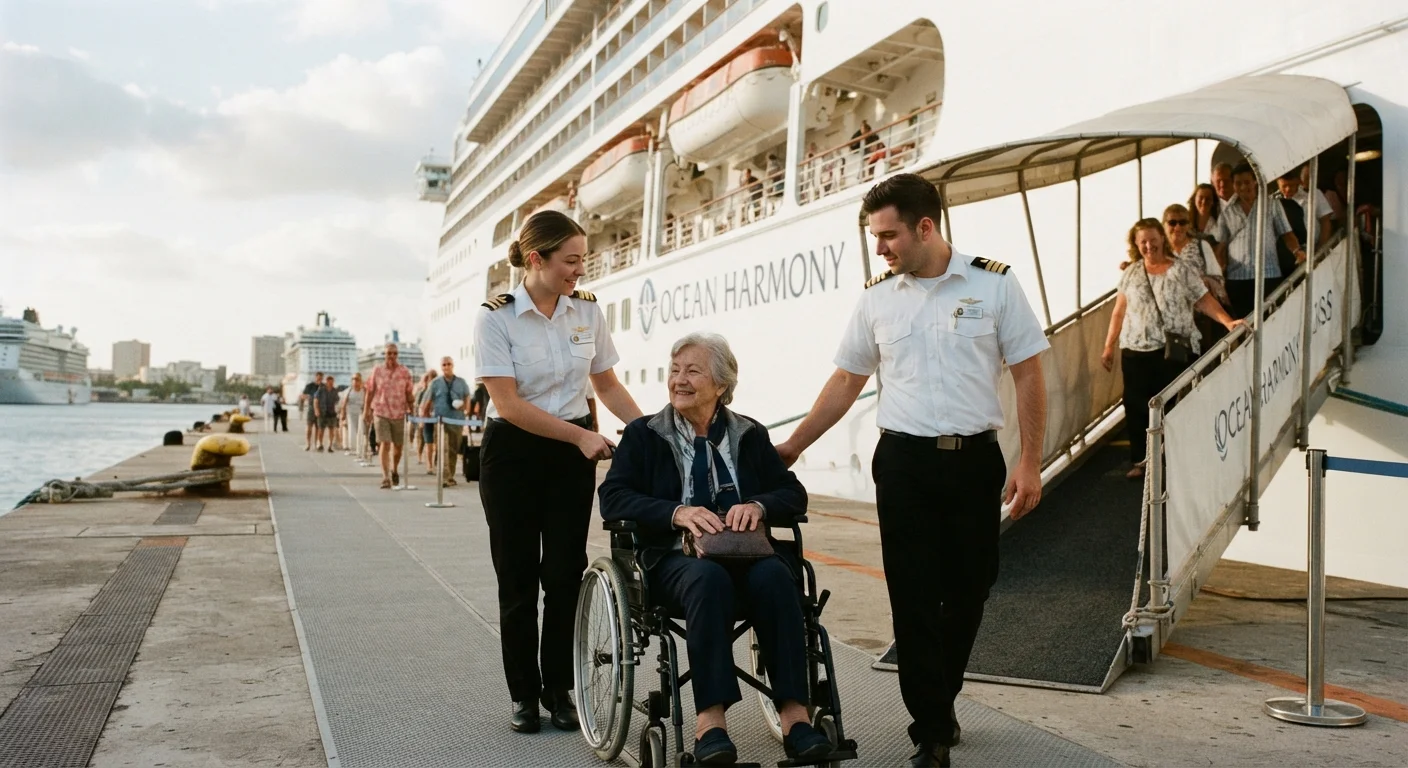
Photo credit: TrendingFaqs.com
In this article
General guidance on how cruise ships handle medical needs, what onboard facilities typically exist, and how to prepare for a voyage with health considerations.
Key Takeaways
- Cruise ship medical centers vary widely in equipment and staffing; verify capabilities before you book.
- Physicians and insurers should be consulted before sailing with a chronic or recent diagnosis.
- Medications must be packed in carry-on luggage with original labels and documentation.
- Travel insurance that includes medical evacuation is especially important for passengers with health conditions.
- Dietary, mobility, and medical-equipment needs can often be accommodated when communicated to the cruise line in advance.
What onboard medical facilities actually look like
Most ocean cruise ships have a medical center staffed by at least one physician and one or more nurses. The facilities on larger ships can handle a range of urgent situations, including cardiac events, fractures, and infections. Smaller ships and river vessels tend to have more limited setups, sometimes a nurse on call rather than a full clinic.
The American College of Emergency Physicians has published guidelines recommending minimum equipment standards for cruise ship medical facilities, but compliance is voluntary and enforcement varies by flag state. That means two ships sailing similar routes can have meaningfully different capabilities. Before booking, call the cruise line directly and ask what medical equipment is aboard and whether any specialists are on staff for your voyage.
Medical care aboard ship is not free. You pay for consultations, medications dispensed from the ship's pharmacy, and any procedures performed. Those costs can be significant, which is why understanding what cruise travel insurance covers matters well before you board.
If you want a broader comparison of how ship type affects access to medical support, the differences between river and ocean cruising article outlines how pace and ship size shape the overall experience, including proximity to port-side medical facilities.
Preparing before you book
A conversation with your doctor is the logical starting point. Share the full itinerary, including ports of call and sea days, and ask whether your condition is stable enough for travel, whether any vaccinations or prophylactic medications are needed for the destinations involved, and what symptoms should prompt you to seek care immediately. For ideas on structuring that conversation, the checklist of questions to ask your doctor can help you cover the ground that matters.
Once you have medical clearance, contact the cruise line's accessibility or special-needs desk. Most major lines ask for advance notice if you require:
- Supplemental oxygen or a CPAP machine (electrical requirements and storage must be confirmed)
- Dialysis (some ships offer onboard hemodialysis; most do not)
- Refrigerated medication storage
- A shower chair, roll-in shower, or accessible cabin
- Dietary modifications for conditions such as celiac disease or severe allergies
Some lines require a physician's letter clearing you to sail, particularly after recent surgery, a cardiac event, or late-term pregnancy. Ask whether this applies to your situation during the booking process, not the week before departure.
Packing medications and documentation
Every medication should travel in your carry-on bag, in its original labeled container. If you use a pill organizer day-to-day, bring the original bottles as backup documentation. Pack enough supply for the full voyage plus several extra days in case of a delayed return port or itinerary change.
A written medication list with generic drug names, dosages, and prescribing physician contact information can be invaluable if the ship's medical staff needs to source a replacement or treat an interaction. Keep one copy with you and leave one with someone at home.
Controlled substances require extra attention. Regulations vary by country, and a cruise that stops in multiple jurisdictions means multiple sets of rules. Contact the embassies or consulates of each port country, or review guidance from your country's foreign affairs department, to confirm what documentation is required. Do not rely solely on the cruise line for this guidance.
For a full picture of what to pack and what to skip, the cruise packing guide covers luggage limits and must-have items that apply to all passengers.
Managing dietary and mobility needs onboard
Cruise ships produce tens of thousands of meals each voyage, and most have systems for handling common dietary requirements. Passengers with diabetes, heart disease, kidney conditions, or food allergies can typically request low-sodium, low-fat, or allergen-controlled meals, but the request must be made in advance and often re-confirmed with the dining room manager on embarkation day.
The full range of dining options on a modern cruise ship shows how varied the settings are, from buffets where cross-contamination risk is higher to specialty restaurants where individual preparation is more controllable.
Mobility considerations go beyond cabin accessibility. Gangways at ports can be steep and narrow depending on tidal conditions and dock configuration. Some ports require a tender (a small boat ferrying passengers from ship to shore), which is difficult for wheelchair users or anyone with limited mobility. Ask the cruise line which ports on your itinerary use tender operations before you finalize the booking. Shore excursion desks can also advise on which tours are accessible and which involve uneven terrain or significant walking distances.
If you are new to cruising and want a broader picture of how a voyage unfolds day by day, what to expect on your first cruise walks through embarkation through disembarkation so nothing catches you off guard.
This article provides general travel information only and is not a substitute for personalized medical advice. Consult a qualified healthcare professional before making decisions about travel with any health condition.

Author
Travel Editorial Team
Travel Editorial Team is the collective byline for our editorial team and contributor network. Articles published under this byline or an editorial pen name are researched, written, and reviewed according to our editorial standards for clarity, consistency, and independence before publication.
View all articles →