
Packing Smart for a Cruise: What to Bring and What to Leave Home
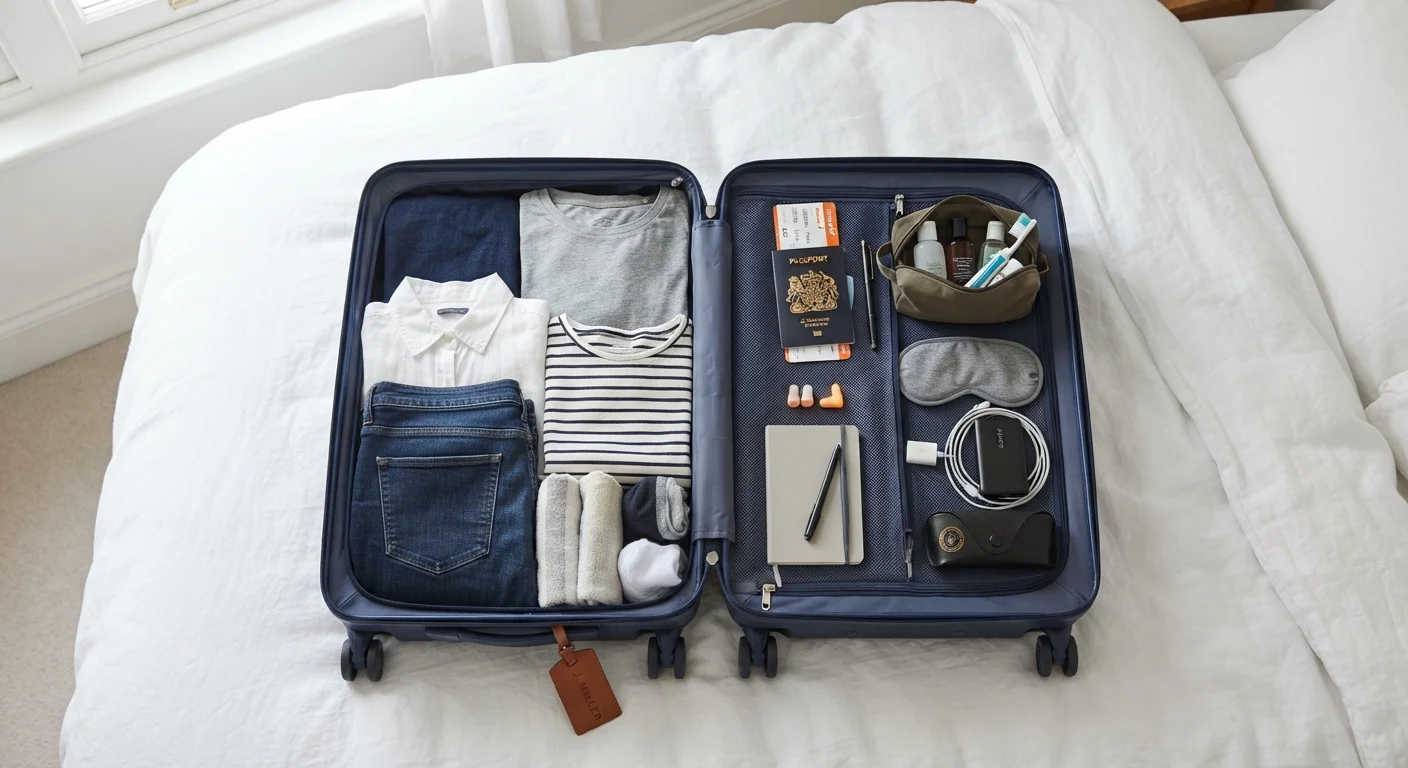
Photo credit: TrendingFaqs.com
In this article
A practical cruise packing guide covering luggage limits, must-have items, what ships already provide, and what takes up space for nothing.
Key Takeaways
- Most cruise lines enforce luggage weight and size limits, so check your line's policy before packing.
- Ships stock basics like shampoo and hair dryers, so you rarely need to duplicate those items.
- Prohibited items including irons, candles, and certain power strips can be confiscated at embarkation.
- Packing a carry-on with essentials covers you for the hours before your cabin bags arrive.
- Leave formal attire decisions until after checking your ship's dress code calendar.
Why cruise packing is different from any other trip
A cruise combines a hotel, multiple restaurants, and several different climates into one journey. Your bags travel separately from you after drop-off at the pier, sometimes not arriving at your cabin for several hours. Port days may call for hiking shoes and a daypack; formal nights require something entirely different. Getting the mix right matters more than it does on a standard hotel stay.
Luggage policies also vary by cruise line and ship. Most lines allow two checked bags per person, with weight limits that typically range from 50 to 70 pounds each, but some expedition or river cruises set stricter caps. Cabin storage is finite, and staterooms are designed for efficiency, not sprawl. Overpacking creates real daily friction in a small space.
Before you finalize what goes in the bag, review the trip planning fundamentals that apply to any international departure, including the documents checklist covering passports, visas, and emergency copies you should have sorted well before embarkation day.
Prohibited items are confiscated, not returned
Cruise ship security screens all luggage before embarkation. Items on the prohibited list, including clothing irons, candles, certain power strips, and outside alcohol beyond the allowed limit, are typically held or discarded rather than held for pickup at the end of the voyage. Review your specific cruise line's prohibited items list before you pack, not after you arrive at the pier.
What ships already provide
Modern cruise ships supply more than most passengers realize, and duplicating those amenities wastes both space and weight allowance. Nearly all mainstream cruise ships provide shampoo, conditioner, body wash, and bar soap in cabin bathrooms. Hair dryers are standard in almost every stateroom. Towels, including beach towels on most lines, are provided and replenished daily. Robes are common in balcony and suite categories.
The ship's onboard shop carries sunscreen, over-the-counter medications, basic toiletries, and a modest selection of clothing if you forget something. Prices onboard run higher than ashore, so this is not a reason to pack light on essentials, but it does mean a forgotten bottle of conditioner is not a crisis. The ship also has a medical center staffed with licensed medical professionals for genuine health needs. If you travel with a health condition that affects your packing decisions, the guidance in cruising with health conditions outlines what to discuss with your doctor before sailing.
The packing checklist
Work through each group below before you zip the bag. Items marked as "must" are non-negotiable for a comfortable and safe voyage. "Should" items prevent common inconveniences. "Nice to have" items earn their place only if you have space.
Documents and essentials
Clothing
Toiletries and health
Electronics and connectivity
Daypack and port day gear
Cabin comfort
A note on power strips: standard cruise cabin outlets are limited, often just one or two, but the ship's electrical system prohibits surge-protected strips and any strip with a USB hub in some lines. Bring a simple multi-plug adapter without surge protection, or verify your specific line's policy before packing one.
What to leave at home
Several categories of items get confiscated at embarkation security, and others simply take up space that better serves something else.
Items security will remove: clothing irons and steamers (the ship offers pressing services), candles and incense, extension cords with surge protectors, certain types of alcohol (most lines allow passengers to bring a limited amount of wine or champagne at embarkation only), and weapons of any kind including certain multi-tools.
Items that aren't worth the space: full-size bottles of anything, a second or third pair of dress shoes for a seven-night itinerary, multiple redundant electronics, or a heavy guidebook for every port when the ship's port guide and your phone cover the same ground.
Formal wear is worth its weight only if your ship actually schedules formal nights. Check the dress code calendar in your cruise line's app or booking documentation. Some contemporary lines have moved to smart-casual policies fleet-wide, making a tuxedo or a formal gown genuinely useless onboard.
If you are planning independent port exploration, the shore excursions guide can help you figure out what gear your port days actually need, which directly shapes what goes in your daypack versus what stays in the cabin.
Managing carry-on and embarkation day
Pack a carry-on or daypack with everything you need for roughly four to six hours: your travel documents, any prescription medications, a phone charger, a change of clothes, and a swimsuit if you want to use the pool while waiting for your cabin. Checked bags go through a handling process and may not reach your stateroom until mid-afternoon or later.
Keep all documents, valuables, and medications with you. Never check prescription drugs or items you cannot replace at the next port. The hidden costs article covers onboard expenses worth knowing before you sail, because some packing decisions (whether to buy a drink package, for example) affect what you bring and what you leave behind.
If motion sickness is a concern, pack relevant remedies in your carry-on rather than in checked luggage. The motion sickness strategies guide outlines options passengers commonly use, and you will want access to them before the ship leaves port.
This article provides general travel information only. Verify luggage policies, prohibited items, and health-related packing decisions directly with your cruise line and, where relevant, with a qualified healthcare provider before your trip.

Author
Travel Editorial Team
Travel Editorial Team is the collective byline for our editorial team and contributor network. Articles published under this byline or an editorial pen name are researched, written, and reviewed according to our editorial standards for clarity, consistency, and independence before publication.
View all articles →