
Following Distance: Why the Two-Second Rule Saves Lives
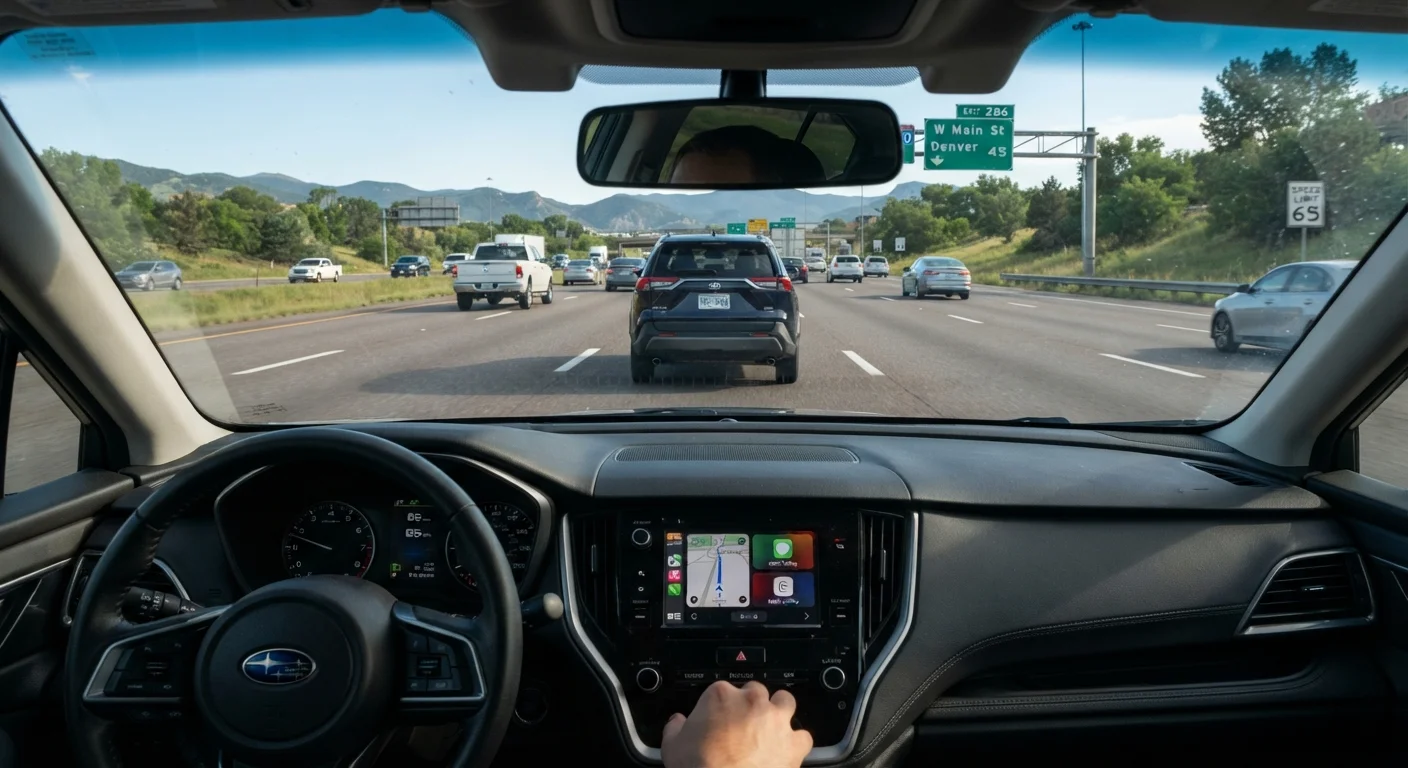
Photo credit: TrendingFaqs.com
In this article
Tailgating is one of the leading causes of rear-end crashes. Here is how to judge safe following distance in any condition.
Key Takeaways
- The two-second rule works at any speed: count two seconds between when the car ahead passes a fixed point and when you pass the same point.
- Rear-end crashes are among the most common collision types on American roads, and tailgating is a primary cause.
- Wet, icy, or foggy conditions require at least double the normal following distance.
- Larger vehicles and trailers need more stopping distance than a standard passenger car.
- Maintaining space ahead also reduces unnecessary braking, which improves traffic flow for everyone behind you.
Why following distance matters more than speed
Speed gets most of the attention in road safety discussions, but following distance is just as consequential. When a driver ahead brakes hard, the car behind has a fixed window to perceive what is happening, decide to brake, and actually stop. That window is measured in fractions of a second, and the gap between vehicles determines whether the window is wide enough.
Rear-end crashes account for a significant share of all U.S. traffic collisions each year, according to the National Highway Traffic Safety Administration. The majority involve a following vehicle that could not stop in time. The two-second rule exists because it translates that physics into something a driver can apply in real time, without any tools.
For context on how following distance fits alongside other crash risks, the intersection driving safety guide covers the environments where collisions are most concentrated.
How to use the two-second rule
Pick any fixed roadside point: a sign, an overpass, a utility pole. The moment the rear bumper of the vehicle ahead passes that point, start counting: one-one-thousand, two-one-thousand. If your front bumper reaches that same point before you finish counting, close the gap is too small and you need to ease off the accelerator.
The rule scales with speed because time stays constant while the physical distance it represents grows. At 30 mph, two seconds equals roughly 88 feet. At 60 mph, the same two seconds equals about 176 feet. The math does the work; you just count.
Practice counting before traffic gets heavy
Use the two-second count on a quiet stretch of road until it feels automatic. Most drivers underestimate how short their actual following distance is until they practice the count deliberately. Building the habit in low-pressure conditions makes it easier to hold in dense traffic.
New drivers sometimes find it easier to practice the count in a parking lot or on a quiet road before applying it in traffic. The safe habits guide for new drivers covers this alongside other skills that often get skipped.
When two seconds is not enough
The two-second rule assumes dry pavement, a fully alert driver, and a vehicle in good mechanical condition. Change any of those variables and the baseline needs to increase.
- Rain or standing water: brake four seconds or more behind the vehicle ahead. Wet roads reduce tire grip substantially.
- Snow or ice: many driving safety resources suggest six seconds or more. Black ice can cut stopping distances by a factor of six compared to dry pavement.
- Fog or reduced visibility: increase following distance and slow down, because your ability to read the road ahead is compressed regardless of grip.
- Towing a trailer: a loaded trailer adds weight and reduces brake effectiveness. Most trailer-towing guidance suggests adding at least one additional second per condition category.
- Older vehicles: brake system wear and older tire compounds extend stopping distances. A qualified mechanic can inspect brake health if you are unsure.
For work zones and school zones, where speed limits drop and hazards are unpredictable, see the work and school zone driving guide.
What happens in your blind spots while you follow
Following distance also affects what you can see around the vehicle ahead. A driver sitting two seconds back has a much wider view of the road than one riding a few feet off the rear bumper. That wider view gives earlier warning of brake lights, merging vehicles, or debris in the lane.
Mirror positioning and head checks work alongside following distance to build a complete picture. The blind spot awareness guide explains how to set mirrors so coverage gaps are as small as possible.
Maintaining space ahead also reduces how often you brake, which matters for the drivers behind you. Unnecessary braking ripples backward through traffic and can compress following distances several cars back, raising crash risk for everyone in that chain.
Frequently Asked Questions

Author
Cars Editorial Team
Cars Editorial Team is the collective byline for our editorial team and contributor network. Articles published under this byline or an editorial pen name are researched, written, and reviewed according to our editorial standards for clarity, consistency, and independence before publication.
View all articles →