
The Documents You Need Before Leaving the Country
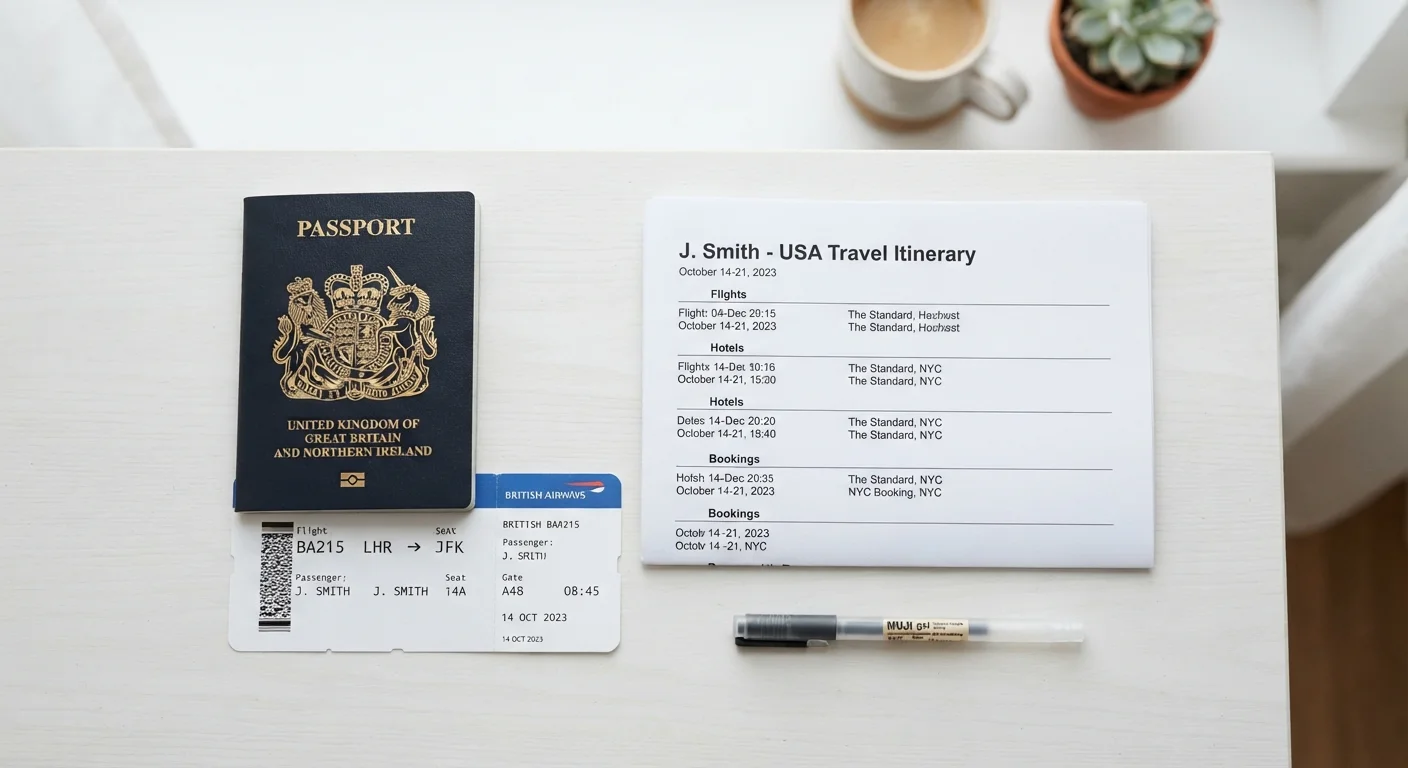
Photo credit: TrendingFaqs.com
In this article
A practical checklist of every document you should have in order before an international trip, including passports, visas, and emergency copies.
Key Takeaways
- Your passport must typically be valid for at least six months beyond your travel dates.
- Visa requirements vary by destination and citizenship; verify them well before departure.
- Carry physical and digital copies of every critical document, stored separately from originals.
- Some countries require proof of onward travel and sufficient funds at entry.
- Travel insurance documentation belongs in your carry-on, not your checked bag.
Why document prep is worth the effort
Most trips that go sideways at the airport or border do so because of a paperwork problem, not a flight delay. An expired passport, a missing visa, or a name mismatch between your ticket and your ID can end a trip before it starts. This checklist helps you catch those gaps weeks ahead, not at the check-in counter.
If you are headed somewhere with specific entry requirements, such as Mexico City, the Mexico City pre-trip checklist covers destination-specific document details worth reviewing alongside this guide. For broader week-of concerns, the week-before departure checklist picks up where this one leaves off.
Work through the groups below at least three to four weeks before your departure date. That window gives you time to renew, apply, or request anything that is missing.
U.S. passport (valid)
Required for entry into almost every international destination; must meet the destination's validity requirements.
Visa or entry authorization
Required for entry into countries that do not offer visa-free access to U.S. passport holders.
Travel insurance policy
Documents your coverage details and provides the emergency assistance number you may need abroad.
International vaccination card
Proves required vaccinations, such as yellow fever, when entering certain countries.
Cloud storage account
Stores digital copies of all documents so you can access them from any device if originals are lost.
Doctor's letter for medications
Explains prescription medications you are carrying to avoid issues at customs or security.
The full document checklist
The items below cover what U.S. citizens and residents typically need for international travel. Requirements do vary by destination, so always verify entry rules through the destination country's official embassy or consulate website and through the U.S. Department of State's travel pages before you go.
Identity and entry documents
Health and vaccination records
Travel insurance and financial documents
Trip logistics documents
Six-month passport validity rule
Many countries, including popular destinations in Asia, Africa, and parts of Latin America, will deny entry if your passport expires within six months of your arrival date. Airlines may also refuse to board you. Check your passport's expiration date now and renew early if you are within that window; standard U.S. passport renewal can take six to eight weeks or longer during peak periods.
A common source of last-minute scrambles is not knowing that some countries require proof of onward travel (a return ticket or a ticket to a third country) before they will admit you. Others ask for evidence of sufficient funds for your stay. Check the entry requirements for your specific destination, not just general international travel guidance.
For a detailed look at what frequently trips travelers up at the border, see common mistakes with entry requirements.
Storing and copying your documents
Once you have gathered everything, make copies. This step takes about fifteen minutes and can save days of frustration if a bag is lost or stolen.
- Photograph every document with your phone and save the images to a cloud account you can access from any device.
- Email yourself a PDF of key pages (passport photo page, visa stamp, travel insurance policy number and emergency contact).
- Print one physical copy of each document and pack it separately from the originals, ideally in your carry-on if the originals are in checked luggage, or in a hotel safe once you arrive.
- Leave a copy of your itinerary, passport, and emergency contacts with a trusted person at home.
If you are going on a cruise, your document needs overlap with standard international travel but add a few wrinkles. The cruise packing guide covers what to keep accessible versus what can go in your cabin luggage. And when it comes to handling money at your destination, cash versus cards for international travel is worth a read before you figure out what to carry in your wallet.
This article provides general travel information only. Entry requirements, visa rules, and document standards change and vary by country. Always verify current requirements through official government and embassy sources before you travel.

Author
Travel Editorial Team
Travel Editorial Team is the collective byline for our editorial team and contributor network. Articles published under this byline or an editorial pen name are researched, written, and reviewed according to our editorial standards for clarity, consistency, and independence before publication.
View all articles →