
Window Maintenance Across the Seasons: Keeping Frames, Seals, and Glass in Shape
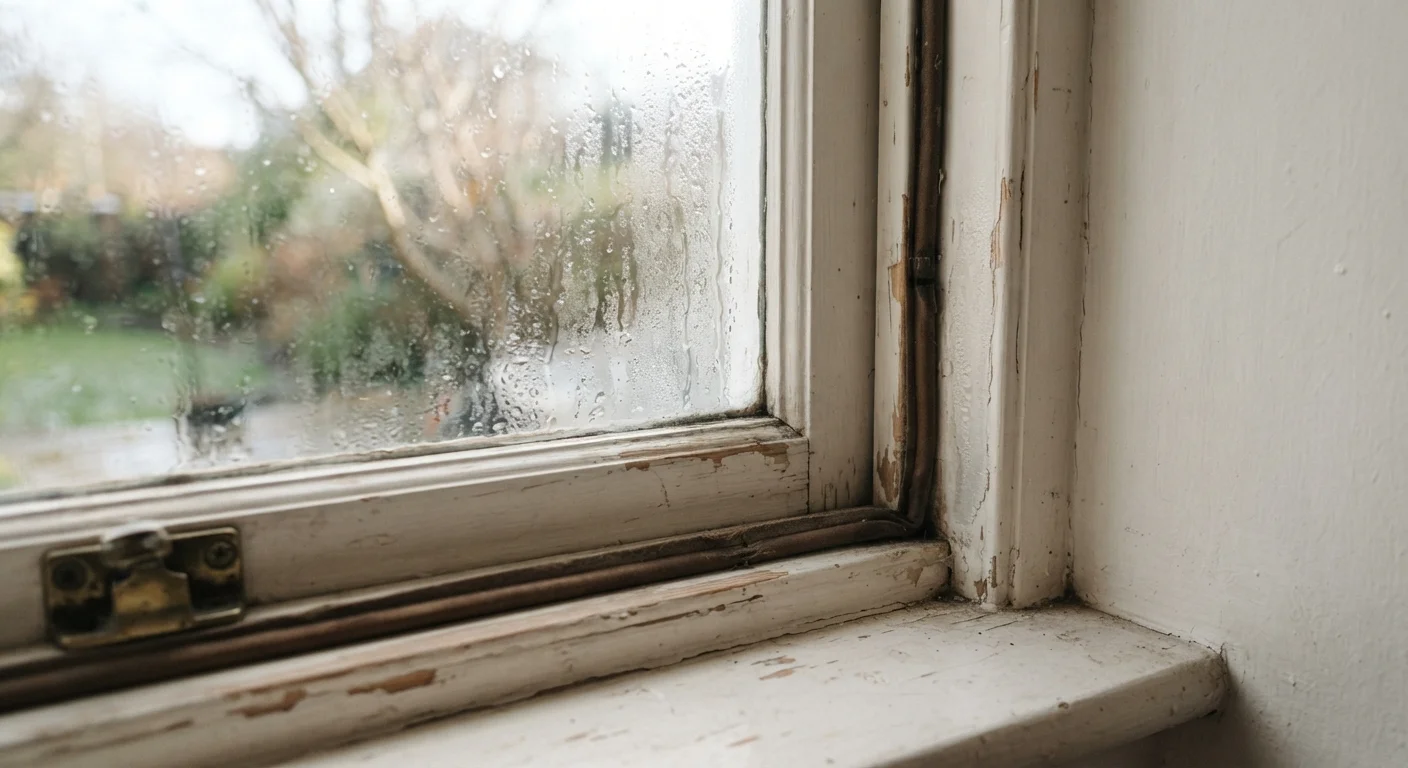
Photo credit: TrendingFaqs.com
In this article
Windows take more abuse than most people realise. Learn how to inspect frames, reseal gaps, and spot foggy glass before it becomes an energy problem.
Key Takeaways
- Inspect window frames, seals, and glass at least twice a year, ideally in spring and fall.
- Foggy double-pane glass signals a failed seal, which reduces insulation and cannot be fixed with caulk alone.
- Cracked or missing caulk around window frames is one of the most common sources of drafts and moisture intrusion.
- Wood frames need periodic painting or sealing to prevent rot, while vinyl and aluminum require less but not zero upkeep.
- Small maintenance tasks done consistently cost far less than replacing a window damaged by neglect.
Why windows need more attention than most homeowners give them
Windows face conditions that few other surfaces in a home must handle: direct sunlight, rain, freezing temperatures, humidity, and physical pressure from wind and operation. The result is gradual wear on every component, including the frame, the glazing compound or caulk, the weatherstripping, and the glass unit itself.
Most homeowners notice a window problem only when it becomes obvious, such as a draft in winter or a foggy pane that will not clear. By that point, the underlying cause has usually been present for months or years. Catching problems earlier means simpler, cheaper fixes. See the full picture of what belongs on your schedule in a thorough home maintenance schedule.
Seasonal inspection: what to look for and when
A twice-yearly check, once in spring after freezing temperatures end and once in fall before they return, catches the most common problems at the right time to act.
Spring check: Look for paint that has lifted or bubbled on wood frames, caulk that has cracked or pulled away from the frame or sill, and any soft or discolored wood that may indicate rot. Open and close each window fully; binding or sticking can mean the frame has swelled or shifted.
Fall check: Focus on weatherstripping around the sash. Press the back of your hand around the closed frame on a windy day to feel for air movement. Check that the lock mechanism draws the sash snugly against the frame. Gaps at the corners of the caulk bead are common after summer heat cycles.
These checks complement broader seasonal preparation. Preparing your home as weather changes covers additional systems that benefit from the same twice-yearly rhythm.
Inspect caulk and weatherstripping at every seasonal check, not just when you notice a draft.
Caulk deterioration is gradual and easy to miss until air and moisture have already worked through the joint. Catching a hairline crack early means a simple recaulk rather than repairing water-damaged framing or sill.
Test each window's operation fully, opening and closing it completely, at least once a year.
A window that binds, sticks, or does not latch snugly cannot be secured properly and may not close against weatherstripping with enough pressure to seal. Early detection of a swelling frame or misaligned sash allows adjustment before the problem worsens.
Address bare or peeling paint on wood frames within the same season you find it.
Bare wood exposed to rain and humidity begins to absorb moisture immediately. In climates with freeze-thaw cycles, that moisture expands and contracts, splitting the grain and inviting rot. Prompt repainting or sealing stops that process before it requires structural repair.
Clean window tracks and drainage holes to keep water moving away from the frame.
Most window frames have small drainage slots or weep holes at the sill. When these fill with dirt, debris, or dead insects, water pools against the frame and seal. That pooling accelerates caulk failure and, in wood frames, feeds rot.
Resealing and recaulking: how to do it right
Caulk is the first line of defense against air and moisture infiltration at the joint between the window frame and the wall. When it fails, drafts follow, and water can eventually reach the framing behind the wall.
To reseal properly, remove all old caulk with a plastic scraper or caulk removal tool. Clean the joint with rubbing alcohol and let it dry completely. Apply a paintable, waterproof caulk rated for exterior use in a single, continuous bead, then smooth it with a wet fingertip before it skins over. A similar approach applies to bathroom tile surrounds: see keeping grout, caulk, and tile watertight for the same technique applied to a different surface.
Weatherstripping is a separate task. Foam tape compresses over time and stops creating a true seal. V-strip (tension seal) or door-and-window gasket profiles last longer and work better on most double-hung and casement windows. Peel off old adhesive residue completely before applying new material; otherwise the bond fails within one season.
Match caulk to the surface and location
Not all caulk performs the same way in all conditions. For exterior wood-to-masonry or wood-to-vinyl joints, choose a siliconized acrylic latex caulk rated for exterior use: it stays flexible through temperature swings and can be painted. Pure silicone caulk bonds well to glass and metal but cannot be painted and is harder to tool neatly. Read the product label for temperature range and cure time before you start.
Foggy glass and failed seals: what they mean and what to do
Double-pane windows (also called insulated glass units or IGUs) contain an inert gas, usually argon or krypton, sealed between two panes. That gas layer is what provides the insulating value. When the seal around the perimeter of the unit fails, outside air and humidity enter, and condensation forms between the panes. The cloudy or streaky appearance does not go away because it is inside the glass, not on the surface.
Wiping the glass does nothing. Resealing the exterior caulk does not fix it either. The glass unit itself has failed. Depending on the window, the IGU can sometimes be replaced without replacing the entire frame, which costs less. A glazing professional or window contractor can assess whether the frame and hardware are worth keeping.
If your home has many failed panes, it may indicate that the original installation used under-spec units, or that the frames have allowed moisture to reach the spacer bar. In that case, frame condition matters as much as the glass.
25-30%
Home heating and cooling energy lost through windows
The U.S. Department of Energy estimates that heat gain and loss through windows accounts for roughly 25 to 30 percent of residential heating and cooling energy use.
10-15 years
Typical lifespan of a quality window seal
Insulated glass unit seals generally last 10 to 15 years under normal conditions, though exposure to heat, UV, and moisture can shorten that lifespan noticeably.
Frame material and what it asks of you
Wood frames need the most regular attention. Paint or a clear exterior sealant keeps moisture out of the grain. Once bare wood is exposed to rain repeatedly, rot can set in within a single season in wet climates. Probe any soft spots with a screwdriver: if it sinks in, the rot has penetrated and that section needs repair or replacement before repainting. For guidance on how repair work of this kind fits into the broader category of fixes that hold, drywall damage repairs that last illustrates the same principle of addressing the cause rather than just the surface.
Vinyl frames do not rot or need painting, but UV exposure can cause them to become brittle over many years. Check corners and welds for cracks. Keep the tracks and sill clear of debris so water drains rather than pools. Aluminum frames are durable but conduct cold readily; check the thermal break (the plastic separator inside the frame profile) for signs of deterioration if drafts appear despite intact weatherstripping.
Composite and fiberglass frames generally need the least maintenance, but the seals and weatherstripping within them are the same components that wear on any window type.
Window maintenance shares some logic with outdoor surface care. deck and porch upkeep for wood, composite, and concrete covers how material type shapes what maintenance a surface needs and how often.

Author
Home Editorial Team
Home Editorial Team is the collective byline for our editorial team and contributor network. Articles published under this byline or an editorial pen name are researched, written, and reviewed according to our editorial standards for clarity, consistency, and independence before publication.
View all articles →