
What a Home Maintenance Schedule Should Actually Include
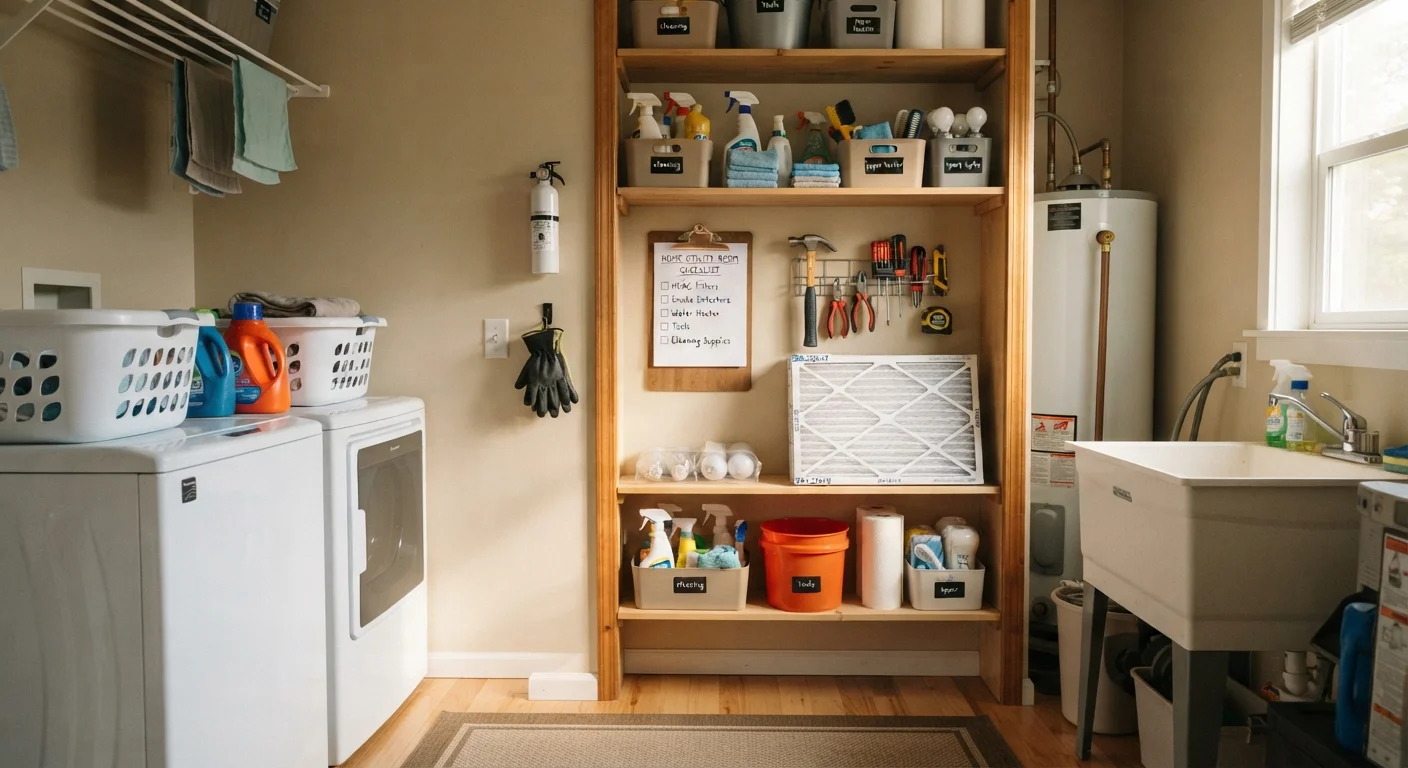
Photo credit: TrendingFaqs.com
In this article
A good maintenance schedule covers more than gutters and filters. See the full range of systems and surfaces that need regular attention.
Key Takeaways
- Most home systems need attention on predictable intervals: monthly, seasonal, or annual.
- Skipping small tasks often creates larger, more expensive problems down the road.
- A written schedule, even a simple one, is more reliable than memory alone.
- Renters can use most of this checklist too, adjusting for what falls to the landlord.
- Tracking completed tasks helps you spot patterns and plan for future costs.
Why most maintenance schedules fall short
Many homeowners keep a mental list that includes changing the furnace filter and cleaning the gutters. That covers two items out of dozens. The systems inside a home, including plumbing, electrical, weatherproofing, appliances, and structural surfaces, all degrade on their own schedules, and most of them do not announce a problem until the damage is already done.
A good schedule does two things: it catches small issues before they compound, and it spreads the work across the year so no single season becomes overwhelming. The checklist below groups tasks by how often they need to happen. Work through it, mark what applies to your home, and add it to a calendar you will actually check. For a related approach to tracking what you have done, the same logic that applies to keeping vehicle service records works well for home systems too.
Monthly tasks
Seasonal tasks (every 3 months)
Spring tasks
Fall tasks
Annual tasks
What tools and supplies to have on hand
Running through a maintenance checklist is much faster when you are not hunting for supplies mid-task. Keep these items accessible before you start a scheduled walkthrough.
HVAC filters (correct size for your unit)
Required for the monthly filter check and replacement task.
Smoke and CO detector batteries
Needed for monthly tests and annual battery replacement.
Dryer duct cleaning brush kit
Used to clear lint from the exhaust duct at each seasonal cleaning.
Caulk gun and exterior-grade caulk
Used to reseal gaps around windows, doors, and exterior penetrations.
Flashlight or headlamp
Needed for inspecting the attic, crawl space, under sinks, and the electrical panel.
Garden hose with spray nozzle
Used to test the sump pump pit and rinse debris from outdoor surfaces.
Ladder (6-foot minimum)
Required for gutter cleaning and visual roof inspection from a safe working height.
Maintenance log (paper or digital)
Records completed tasks with dates so you can track what has been done and when.
How to put the schedule into practice
The most common reason maintenance slips is that tasks live only in someone's head. Write the schedule down, whether in a phone calendar, a shared household app, or a paper log stored with your home documents. Set recurring reminders for monthly and seasonal tasks so they come to you rather than requiring you to remember them.
Pair this with a simple log of what was done and when. If you sell the home, that record matters to buyers. If something breaks, it tells a repair technician what has and has not been serviced recently. The home organization hub has additional strategies for building reliable household routines that stick.
Some tasks need a licensed professional
Electrical panel inspections, gas appliance servicing, and structural concerns are not DIY territory for most homeowners. Attempting work that requires a permit or a licensed trade without the proper credentials can create safety hazards and may affect your homeowner's insurance coverage. When in doubt, call a qualified professional and get it done correctly the first time.
Renters should read through the full checklist and separate what belongs to them (appliance filters, smoke detector batteries, interior pest prevention) from what belongs to the landlord (HVAC servicing, roof, plumbing mains). Knowing the split means you can flag issues to your landlord promptly rather than assuming someone else caught it. For a broader look at weekly upkeep habits, the weekly home reset checklist is a useful companion to this schedule.

Author
Home Editorial Team
Home Editorial Team is the collective byline for our editorial team and contributor network. Articles published under this byline or an editorial pen name are researched, written, and reviewed according to our editorial standards for clarity, consistency, and independence before publication.
View all articles →