
Why Your Painted Surfaces Are Peeling and What to Do About It
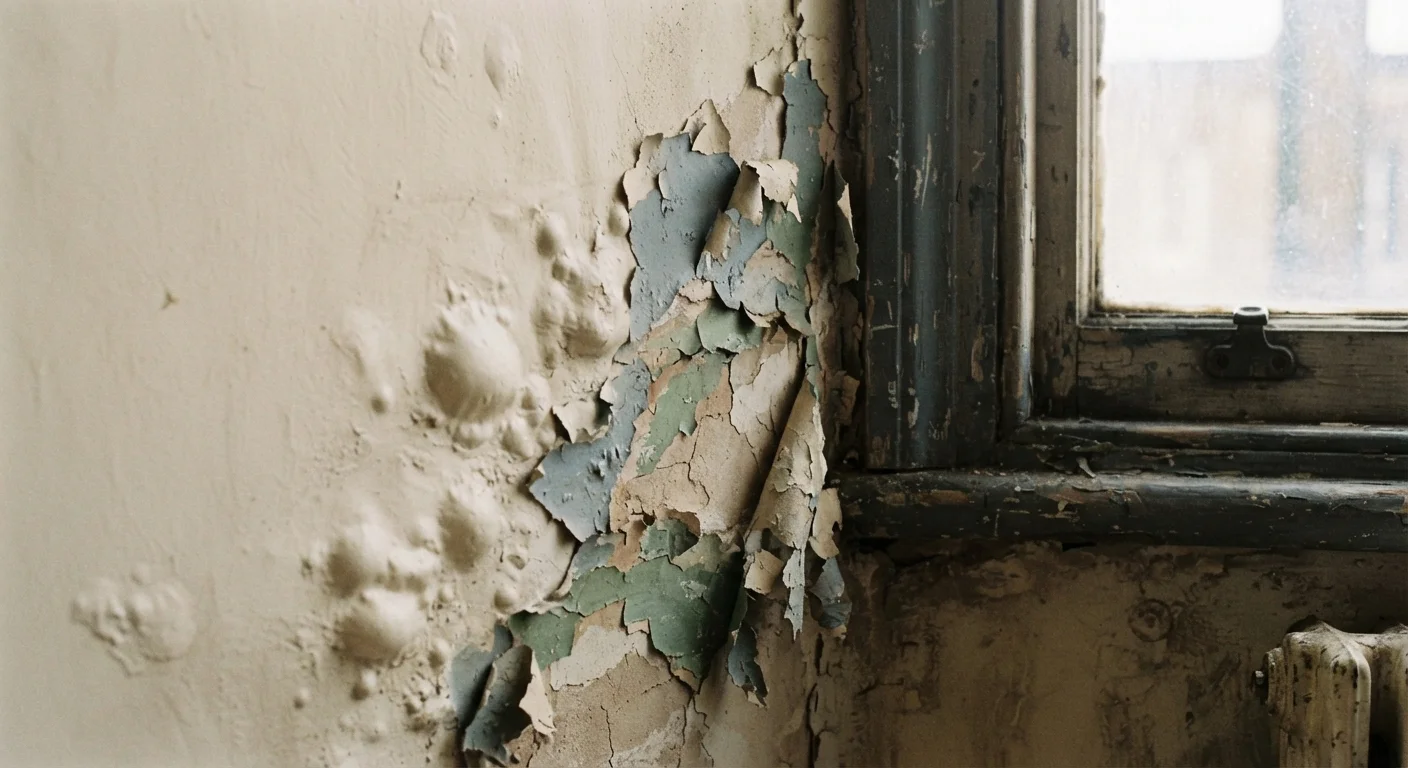
Photo credit: TrendingFaqs.com
In this article
Paint peeling is usually a symptom of something deeper: moisture, poor prep, or the wrong product. Here is how to diagnose and address the real cause.
Key Takeaways
- Peeling paint almost always points to moisture, poor surface preparation, or the wrong product for the surface.
- Painting over peeling areas without fixing the root cause will produce the same result within months.
- Certain repairs, such as fixing persistent moisture intrusion, may require a licensed professional.
- Matching primer and paint to the specific surface type (wood, drywall, masonry) prevents many failures.
Why paint peels in the first place
Paint rarely peels without a reason. When a finish separates from its surface, something disrupted the bond between the coating and what lies beneath. That something is almost always moisture, a preparation shortcut, or a product mismatch. Identifying which one is true for your situation is the first step before you pick up a scraper or a brush.
Moisture is the most common culprit. Water vapor moves through walls, bathrooms accumulate steam, and exterior surfaces take on rain. When moisture gets trapped under a paint film, the film blisters and eventually pulls free. In kitchens and bathrooms especially, paint that was never designed for humid conditions will fail quickly regardless of how well it was applied.
Surface preparation failures are the second major cause. Paint needs a clean, dry, properly primed surface to adhere. Dust, grease, old flaking paint, and glossy surfaces all prevent a new coat from bonding correctly. Many peeling problems that appear months after a paint job trace back to a preparation step that was rushed or skipped entirely.
Product mismatch is less obvious but just as damaging. Latex paint applied directly over oil-based paint without the right primer, or interior paint used outside, will delaminate under normal conditions. The paint itself may be high quality, but it is not designed for what it is being asked to do.
Mistakes that lead to peeling and how to avoid them
The following errors are the most common reasons homeowners end up repainting the same surface within a year or two.
Painting over a damp or wet surface.
Why it happens: Homeowners often want to complete a paint job quickly, especially after a leak or humidity issue, without waiting for the surface to fully dry.
Skipping primer or using the wrong type.
Why it happens: Primer adds time and cost, so it gets treated as optional. Some paints are marketed as paint-and-primer-in-one, which can encourage skipping a dedicated primer coat on bare or repaired surfaces.
Applying a new coat directly over old, flaking paint.
Why it happens: It seems faster to paint over loose areas rather than scrape them down, and the peeling may not look severe until the new coat starts pulling away the old one beneath it.
Using interior paint on exterior or high-moisture surfaces.
Why it happens: Interior and exterior paints can look identical, and the distinction is easy to overlook in a hurry or when using leftover paint.
Painting over a dirty or greasy surface.
Why it happens: Kitchen walls accumulate cooking grease gradually, and the surface may look clean to the eye. Walls near doors and light switches collect oils from hands over time without any visible residue.
Applying paint in unsuitable temperature or humidity conditions.
Why it happens: Homeowners schedule painting around convenience rather than weather, especially for exterior projects. Cold temperatures and high humidity both slow drying and prevent the paint from curing properly.
If peeling is happening in your bathroom specifically, cracked grout and failing caulk may be letting moisture into the wall long before it shows up as a paint problem. See our guide to keeping bathroom tile surrounds watertight for more on sealing those entry points. Outdoor surfaces such as decks and porches face similar adhesion and moisture challenges; our practical overview of deck and porch upkeep covers what to expect by surface type.
Before you repaint: assess and repair the surface
Scraping off loose paint and rolling on a new coat is not a repair. It is postponing the same failure. Before any paint goes on, the surface underneath needs to be stable, clean, dry, and primed correctly.
Start by removing all loose and peeling material with a scraper or wire brush. Sand the edges where old paint meets bare surface so there is no raised lip for the new coat to bridge over and eventually crack along. Feathering those edges takes a few extra minutes but it prevents a visible ridge in the finished surface.
For drywall, check whether the paper facing is intact. Water-damaged drywall often has a soft, bubbled surface that will not hold paint regardless of how many coats you apply. In those cases the damaged section needs to be replaced, not painted over. Our guide to drywall damage and long-term fixes explains how to assess whether a section can be patched or needs full replacement.
On masonry and concrete, paint peeling from the inside out is often a sign of hydrostatic pressure, meaning water is pushing through the wall from the outside. Masonry paint and coatings applied to a wall with active moisture intrusion will fail repeatedly. Addressing the drainage or waterproofing issue comes before any painting. Our article on basement waterproofing mistakes goes into detail on why coating alone rarely solves a persistent moisture problem.
Active moisture needs a fix before paint
If walls feel damp to the touch, show efflorescence (white mineral deposits on masonry), or produce recurring peeling in the same spot, paint alone will not solve the problem. Applying another coat over active moisture intrusion will fail again. Have the source of the moisture identified and corrected by a qualified contractor before repainting.
Once repairs are complete and the surface is fully dry, apply a primer appropriate to the surface type. Spot-priming only the repaired areas is rarely sufficient on walls with widespread peeling; a full coat of primer gives the new paint a consistent base to bond to.

Author
Home Editorial Team
Home Editorial Team is the collective byline for our editorial team and contributor network. Articles published under this byline or an editorial pen name are researched, written, and reviewed according to our editorial standards for clarity, consistency, and independence before publication.
View all articles →