
What Homeowners Often Get Wrong About Basement Waterproofing
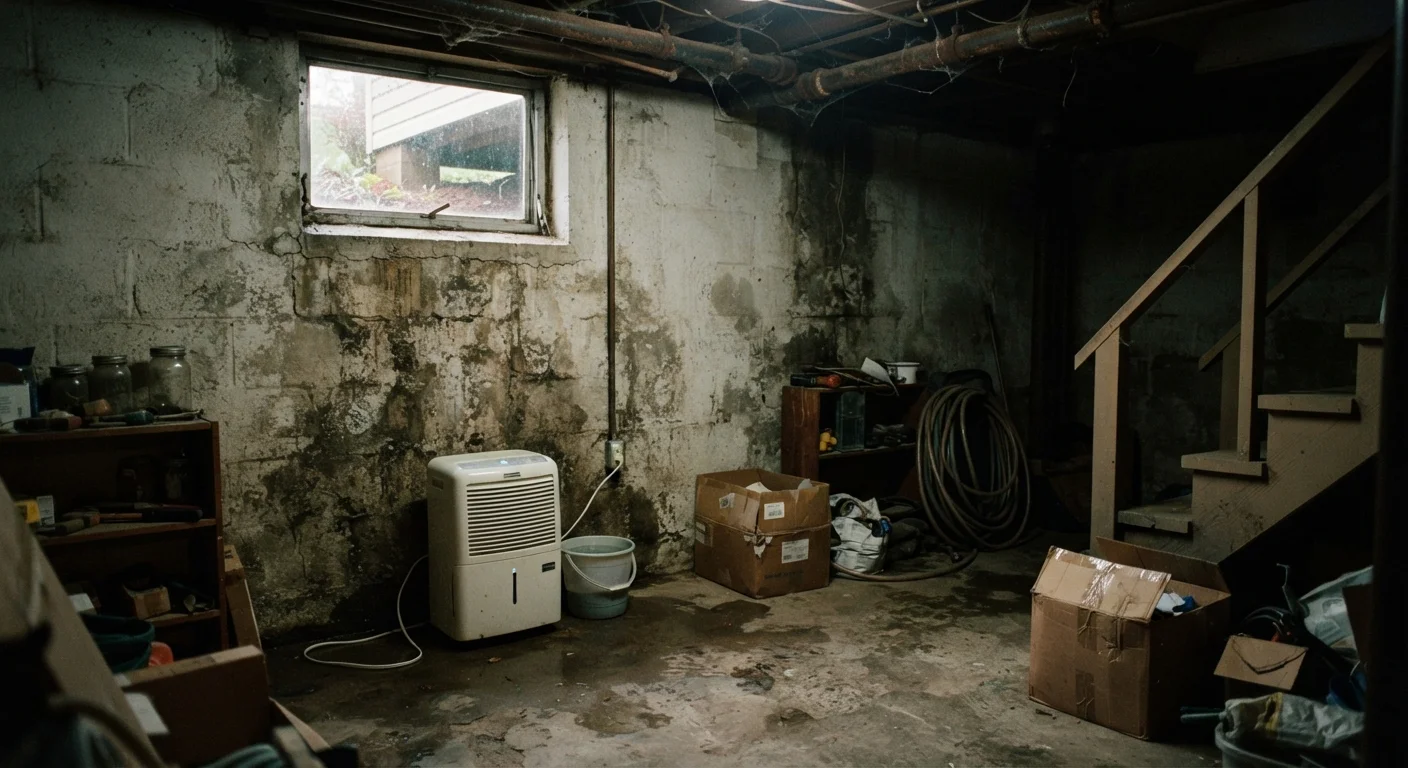
Photo credit: TrendingFaqs.com
In this article
Painting over damp concrete or ignoring grading issues can make water problems worse. Here are the misunderstandings that lead to recurring wet basements.
Key Takeaways
- Waterproofing paint masks moisture but does not stop water from entering your foundation.
- Grading and gutter drainage are the first line of defense against basement water intrusion.
- Interior solutions alone rarely fix problems that originate outside the foundation.
- A persistently wet basement can signal hydrostatic pressure that requires professional assessment.
- Dehumidifiers reduce humidity but cannot replace proper waterproofing where water is actively entering.
Why basement waterproofing mistakes are so common
Wet basements are one of the most frustrating problems homeowners face, partly because the fixes seem straightforward until they fail. A coat of waterproofing paint, a new dehumidifier, some caulk along the wall-floor joint: these feel like solutions, but they often treat the surface while water continues moving in underneath or behind.
Understanding why water gets into basements in the first place changes how you approach the problem. Concrete is porous by nature. Soil around a foundation holds and directs water. The grade of your yard, the behavior of your gutters, and the condition of exterior drainage all affect what reaches your basement walls. When those factors go unaddressed, no interior product will hold for long.
The mistakes below come up repeatedly because they match our instinct to fix what we can see. Knowing where that instinct leads you wrong is the starting point for a real fix. See our plumbing basics guide for related guidance on spotting hidden water issues throughout your home.
The mistakes that keep basements wet
Each of the following errors is genuinely common, and most homeowners encounter at least two or three of them before finding an approach that works.
Applying waterproofing paint as the primary fix.
Why it happens: Products labeled 'waterproofing' or 'masonry paint' are heavily marketed and widely available, which makes them feel like an authoritative solution to a damp wall.
Confusing condensation with water intrusion.
Why it happens: Both problems produce wet walls and floors, but they have different causes. Homeowners often assume any moisture in the basement is coming through the foundation.
Ignoring the slope of the ground around the foundation.
Why it happens: Grading issues are not visible in the same way that a crack or stain is, and they do not feel like a 'waterproofing' problem even though they are the most common cause of wet basements.
Running a dehumidifier instead of fixing drainage.
Why it happens: A dehumidifier produces a visible, measurable result: the humidity gauge drops and the air feels drier. It feels like the problem is solved.
Sealing cracks from the inside only.
Why it happens: Interior crack repair is accessible and affordable. Exterior foundation repair requires excavation, which feels like a major project.
Interior sealants have real limits
Hydraulic cement and crystalline sealants can stop seepage through small cracks and pores, but they are not designed to resist sustained water pressure. If water is pushing in with enough force to cause efflorescence (the white mineral deposits left behind as water evaporates), a surface-applied product is unlikely to hold. Address the source of pressure before relying on any sealant product.
What actually works: starting outside
Most basement water problems begin outside the foundation. Before investing in interior drainage systems or sump pumps, check two things: the slope of the ground around your home, and where your downspouts discharge.
The ground should slope away from the foundation at roughly six inches of drop over the first ten horizontal feet. Flat or inward-sloping soil channels rainwater directly against your walls. Correcting grade with compacted fill soil is a DIY-manageable task in many cases, though the scale of work depends on your yard.
Downspouts that empty next to the foundation are a consistent contributor to wet basements. Extensions that carry water at least four feet away cost very little and can make a measurable difference. Our guide to gutter maintenance covers this connection in more detail.
Window wells that lack covers or drains collect rainwater and funnel it against basement windows. Adding a fitted cover or a gravel-filled well with a drain pipe corrects this without major expense.
When exterior corrections alone do not resolve the problem, interior drainage systems (perimeter channels that redirect water to a sump pump) are a legitimate next step. They manage water that enters rather than blocking it at the source, which is appropriate when exterior waterproofing of the foundation itself is cost-prohibitive. A contractor who specializes in foundation drainage can assess whether hydrostatic pressure is involved, which changes the solution significantly. For related moisture concerns in below-grade spaces, see our crawl space maintenance overview.

Author
Home Editorial Team
Home Editorial Team is the collective byline for our editorial team and contributor network. Articles published under this byline or an editorial pen name are researched, written, and reviewed according to our editorial standards for clarity, consistency, and independence before publication.
View all articles →