
Common Myths About Making a Small Home Feel Bigger
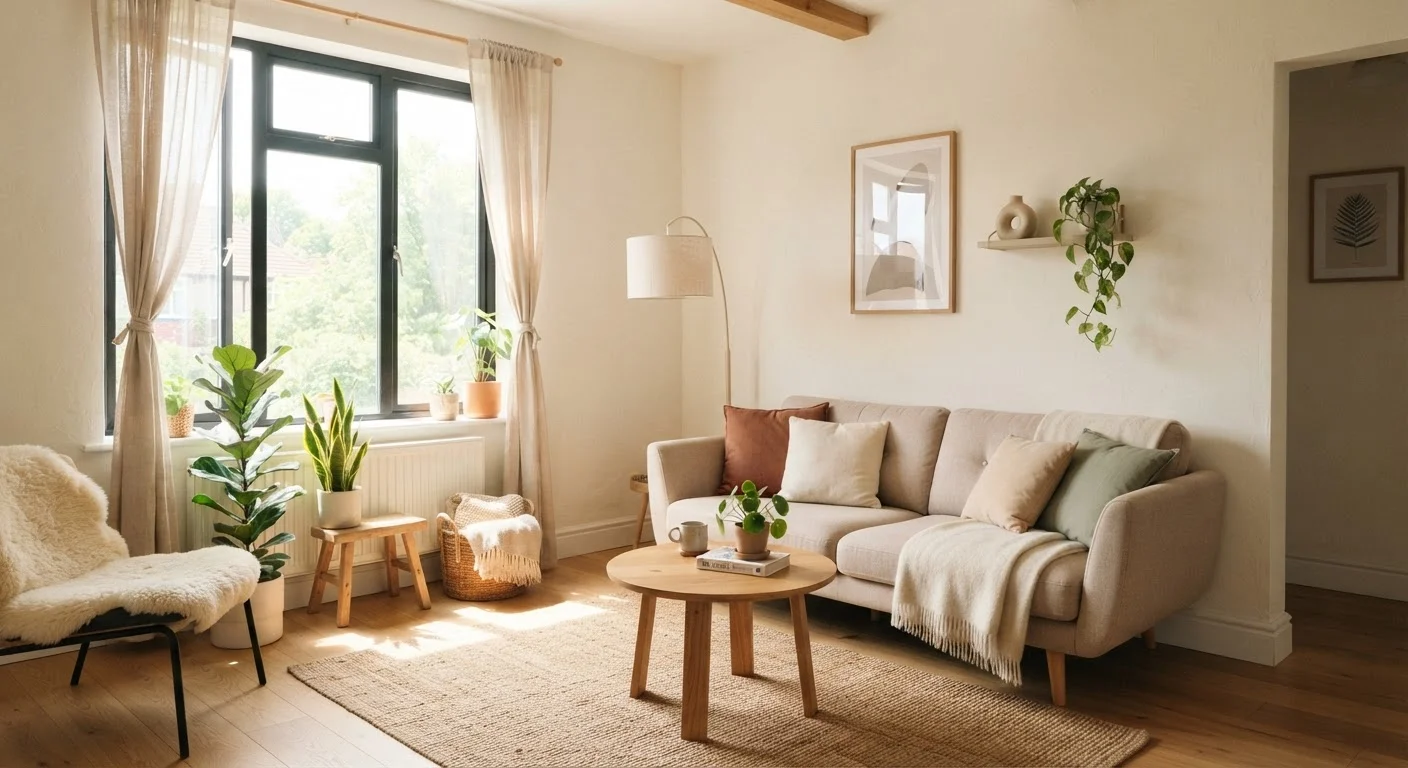
Photo credit: TrendingFaqs.com
In this article
Mirrors always help. Dark colors shrink a room. Many popular space tips are overblown. Here is what the evidence actually supports.
Key Takeaways
- Mirrors only help when placed to reflect light or a view, not randomly on any wall.
- Dark colors do not automatically shrink a room; placement and finish matter more.
- Pushing all furniture against walls often makes a small space feel more cramped, not larger.
- Decluttering has a more reliable effect on perceived space than almost any decorating trick.
- Vertical storage draws the eye upward and genuinely increases usable square footage.
Why so many space tips fall flat
Advice about making small homes feel larger circulates endlessly online and in home magazines. Some of it is genuinely useful. A lot of it is oversimplified, misapplied, or repeated so often that people treat it as universal law. The result is that homeowners buy things, rearrange rooms, and repaint walls based on rules that only sometimes work, and then wonder why the space still feels tight.
The myths below are not harmless. Acting on bad space advice can cost money and time, and occasionally leaves a room looking worse. Understanding what the evidence actually supports helps you make smarter decisions without needing to redo your whole home. For a broader look at how layout choices shape comfort, see our guide to furniture arrangement principles.
Myth
Mirrors make any room feel bigger, so the more you add, the better.
Fact
A mirror only expands perceived space when it reflects something worth seeing, such as a window, natural light, or an attractive part of the room.
A mirror placed opposite a blank wall, a cluttered corner, or a dark hallway simply doubles what is already there. The result can make a space feel busier and more enclosed rather than larger. The placement is what matters. A mirror that reflects a window draws light deeper into the room and creates a convincing sense of depth. One that reflects a pile of coats by the door does the opposite.
Myth
Dark colors always make a room feel smaller and should be avoided in tight spaces.
Fact
Dark colors on walls, especially matte finishes in a room with good light, can add depth rather than reduce it.
Color does affect perception, but the relationship is not as simple as light equals big and dark equals small. A dark, moody room with strong natural light can feel sophisticated and spacious because the depth reads as intentional. Conversely, a small room painted bright white with poor lighting, low ceilings, and clutter does not feel open. Ceiling color and sheen level both affect how a color reads. Painting a low ceiling the same color as the walls, for example, can make it feel less oppressive rather than more so.
Myth
Pushing all furniture against the walls opens up the center of the room.
Fact
Furniture pulled slightly away from walls often makes a room feel more organized and spacious, not less.
When every piece of furniture is pressed flat against a wall, the center of the room becomes an empty void that emphasizes the room's boundaries. Interior design research and practice consistently show that floating furniture, even just a few inches from walls, creates the impression of zones and flow rather than a room where everything is crammed to the edges. A sofa with a few inches of breathing room behind it looks intentional. One jammed against baseboard looks like overflow storage.
Myth
Small rooms need small furniture to avoid feeling overcrowded.
Fact
One or two larger pieces often work better than several small ones that fragment the visual field.
A small room filled with small-scale furniture tends to look cluttered because there are more visual objects competing for attention. A single substantial sofa, one large area rug, or a full-size dining table can anchor a room and reduce visual noise. The guideline that furniture must be scaled down in proportion to room size is a useful starting point but not a hard rule. What actually matters is the number of distinct pieces and how well they relate to each other.
Myth
Open shelving makes small rooms feel more open than closed cabinets.
Fact
Open shelving only helps when it is kept very tidy; otherwise it adds visual noise that makes a space feel busier.
Exposed shelves in a small kitchen or living room look clean and airy in photographs because those photos are staged with minimal, carefully chosen objects. In daily use, open shelves accumulate items quickly, and the visual complexity of many different shapes and colors across open shelving can make a room feel chaotic. Closed cabinets with simple hardware contain the clutter and present a calmer surface. If open shelving appeals to you, limiting each shelf to a few items and maintaining that discipline consistently is what determines whether it helps or hurts.
Myth
Rugs should be small in a small room so they do not overwhelm the space.
Fact
A rug that is too small for the furniture grouping makes a room feel fragmented and actually highlights how little floor space there is.
A common guideline in interior design is that the front legs of all main seating pieces should rest on the rug, or that the rug should extend well beyond the furniture footprint. A small rug floating in the center of a room with furniture around it creates a disconnected look that draws attention to the room's dimensions. A larger rug that ties the furniture together reads as a unified space, which feels more considered and, by extension, more comfortable to be in.
What actually works
Across every myth above, a few consistent principles emerge. The amount of stuff in a room affects perceived space more reliably than any color choice or mirror placement. Storage myths can quietly make clutter worse, so it is worth examining your organization habits alongside any decorating changes.
Vertical space is almost always underused in small homes. Shelving that runs close to the ceiling, tall bookcases, and cabinets that do not leave dead space above them all add usable storage while pulling the eye upward. In kitchens specifically, organizing limited cabinet space well reduces counter clutter, which does more for a small kitchen's perceived size than repainting or adding a backsplash mirror.
Consistency in flooring across rooms, or at least consistent flooring direction, removes visual interruptions that chop a floor plan into smaller-feeling zones. Light matters more than color, and natural light matters most of all. Keeping window treatments simple and letting in as much daylight as possible has a more dependable effect on perceived space than most paint choices.
None of these ideas require a renovation. Many are free or low-cost habits. Small daily routines that keep surfaces clear and rooms tidy do more for the feeling of a home than a single weekend project. For smaller rooms like bathrooms, low-cost organization approaches can remove the visual clutter that makes a tight space feel suffocating.

Author
Home Editorial Team
Home Editorial Team is the collective byline for our editorial team and contributor network. Articles published under this byline or an editorial pen name are researched, written, and reviewed according to our editorial standards for clarity, consistency, and independence before publication.
View all articles →