
Road Rage: Recognizing It in Others and in Yourself
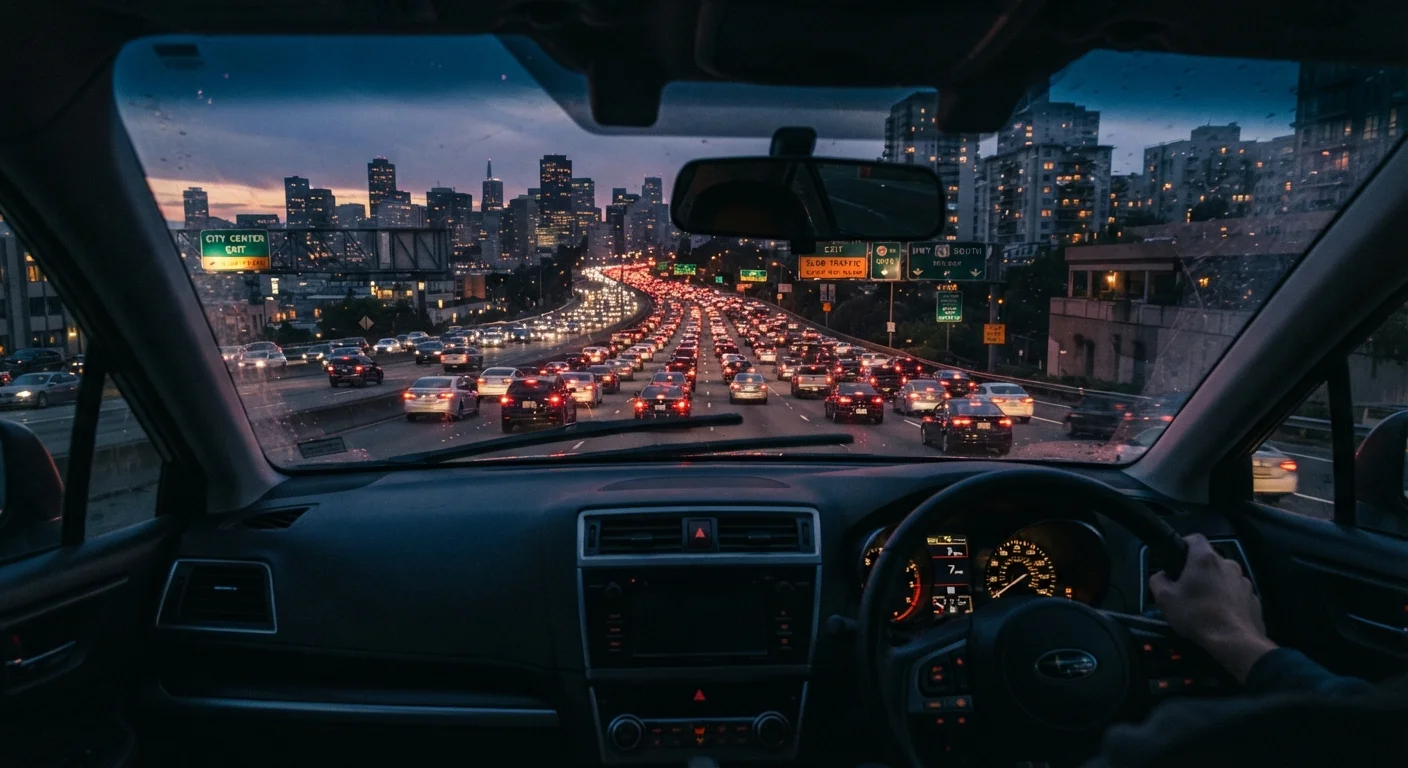
Photo credit: TrendingFaqs.com
In this article
Road rage escalates quickly. Understand the psychology behind aggressive driving behavior and how to de-escalate safely.
Key Takeaways
- Road rage is a pattern of aggressive driving triggered by stress, frustration, or perceived disrespect on the road.
- Physical warning signs in yourself, like a tight grip, racing heart, or tunnel vision, often appear before you consciously feel angry.
- Avoiding eye contact and refusing to engage are the most effective ways to de-escalate a tense encounter.
- If another driver follows you or exits their vehicle aggressively, drive to a public place and call 911.
- Your own habits, like tailgating or late merging, can provoke road rage in others without you realizing it.
What road rage actually is
Road rage is not just bad driving. It is aggressive behavior directed at another person because of something that happened on the road. That includes yelling, gesturing, deliberately blocking another vehicle, brake-checking, tailgating as intimidation, or physically confronting another driver. It sits at the far end of a spectrum that starts with ordinary frustration and can escalate to criminal behavior.
Aggressive driving, the category just below road rage, covers speeding, weaving between lanes, and running red lights out of impatience. The National Highway Traffic Safety Administration treats aggressive driving as a traffic offense and road rage as a potential criminal act. The line between them is intent: one is reckless driving, the other is using a vehicle to threaten or harm someone.
Everyday frustration behind the wheel is normal. Traffic delays, unexpected lane changes, and slow merges happen to every driver. The problem starts when frustration turns into a decision to retaliate or punish another driver. That shift in intent is where road rage begins.
For a broader foundation on safe driving habits, see our practical introduction to road safety.
Spotting road rage in other drivers
Recognizing an aggressive driver early gives you time to create distance before a situation worsens. Watch for these behaviors:
- Rapid, repeated lane changes with little signaling
- Following unusually close to the car ahead (tailgating), which is also one of the leading causes of rear-end crashes as covered in our guide to safe following distance
- Excessive horn use or flashing headlights at other cars
- Accelerating aggressively toward a vehicle that just merged or changed lanes
- Shouting or gesturing out of windows
- Deliberately braking to provoke or intimidate the driver behind them
A driver doing one of these things on an unusually stressful commute is different from a driver who strings several of them together, escalating over time. Sustained, escalating behavior is the clearer danger signal. When you see it, increase your following distance, avoid matching their speed, and do not make eye contact.
Do not engage, even to de-escalate
Rolling down your window to explain yourself or apologize can seem reasonable, but it removes a physical barrier and gives an angry driver direct access to you. Most road rage encounters that turn violent begin with a conversation through a window. Keep your windows up and your doors locked if another driver approaches your vehicle.
Recognizing road rage in yourself
This is the part most drivers skip, and it matters more than recognizing it in others. Road rage rarely feels like rage in the moment. It tends to feel like justice: that other driver was wrong, and they should know it.
Physical signals often arrive before you are consciously aware of the anger. A tightened grip on the steering wheel, a clenched jaw, a racing heart, or tunnel vision narrowing your attention to one car are all signs that your stress response has taken over. At that point, your judgment is compromised in measurable ways.
Ask yourself honestly: Have you ever sped up to prevent someone from merging? Leaned on the horn longer than necessary? Followed a car closely on purpose after it cut you off? These are road rage behaviors, even if they feel like proportionate responses. Stress carried in from outside the car, a bad day at work, an argument, poor sleep, makes the threshold lower. Managing that stress matters. The mental wellness resources on this site cover practical strategies for managing everyday stress that spills into all areas of life, including driving.
How to respond when another driver is aggressive
Your goal in any road rage encounter is to exit the situation without escalation. Follow these steps.
Do not respond in kind
When another driver honks, gestures, or pulls close to your bumper, the instinct is to react. Do not. Matching aggression with aggression is the single most reliable way to escalate a minor incident into a dangerous one. Keep your hands on the wheel and your expression neutral.
Avoid eye contact
Direct eye contact signals engagement. An aggressive driver looking for a reaction will interpret eye contact as an invitation to continue. Keep your gaze on the road ahead. If the driver pulls alongside you, focus forward and do not turn your head toward them.
Create distance
Slow down gently, change lanes if it is safe to do so, or take the next available exit. Your objective is to put space and, ideally, other vehicles between you and the aggressive driver. Do not brake suddenly or cut across lanes abruptly, as that can create a crash risk.
Do not pull over in an isolated spot
If a driver is following you and you feel unsafe, do not pull over on a quiet road or in an empty parking lot. Drive to a gas station, a police station, a hospital, or any busy public location. Staying in your locked vehicle in a well-lit, populated area gives you time for help to arrive.
Call 911 if you are being followed or feel threatened
If another driver is following you after you have tried to create distance, or if they exit their vehicle and approach yours, call 911. Give the dispatcher your location, the direction you are traveling, and a description of the other vehicle. Stay on the line until you reach help or the situation resolves.
This article is for general informational purposes only. In any situation where you feel your physical safety is at immediate risk, call 911.
Habits that reduce your risk on both sides
Some driving habits provoke frustration in others without the driver realizing it. Late merging when a lane closes, sitting in the left lane at or below the speed of traffic, and abrupt braking can all trigger aggression in other drivers. None of those behaviors justify road rage from anyone else, but reducing them lowers the temperature of your own driving environment.
Leaving earlier so you are not rushed, keeping a consistent following distance, and using turn signals reliably are all habits that reduce friction. Drivers who feel less pressured for time respond less aggressively to minor incidents. See our guidance on adjusting driving habits in poor weather, where the same principle of deliberate, calm driving applies under higher-stakes conditions.

Author
Cars Editorial Team
Cars Editorial Team is the collective byline for our editorial team and contributor network. Articles published under this byline or an editorial pen name are researched, written, and reviewed according to our editorial standards for clarity, consistency, and independence before publication.
View all articles →