
The Hidden Work Inside Every Oil Change
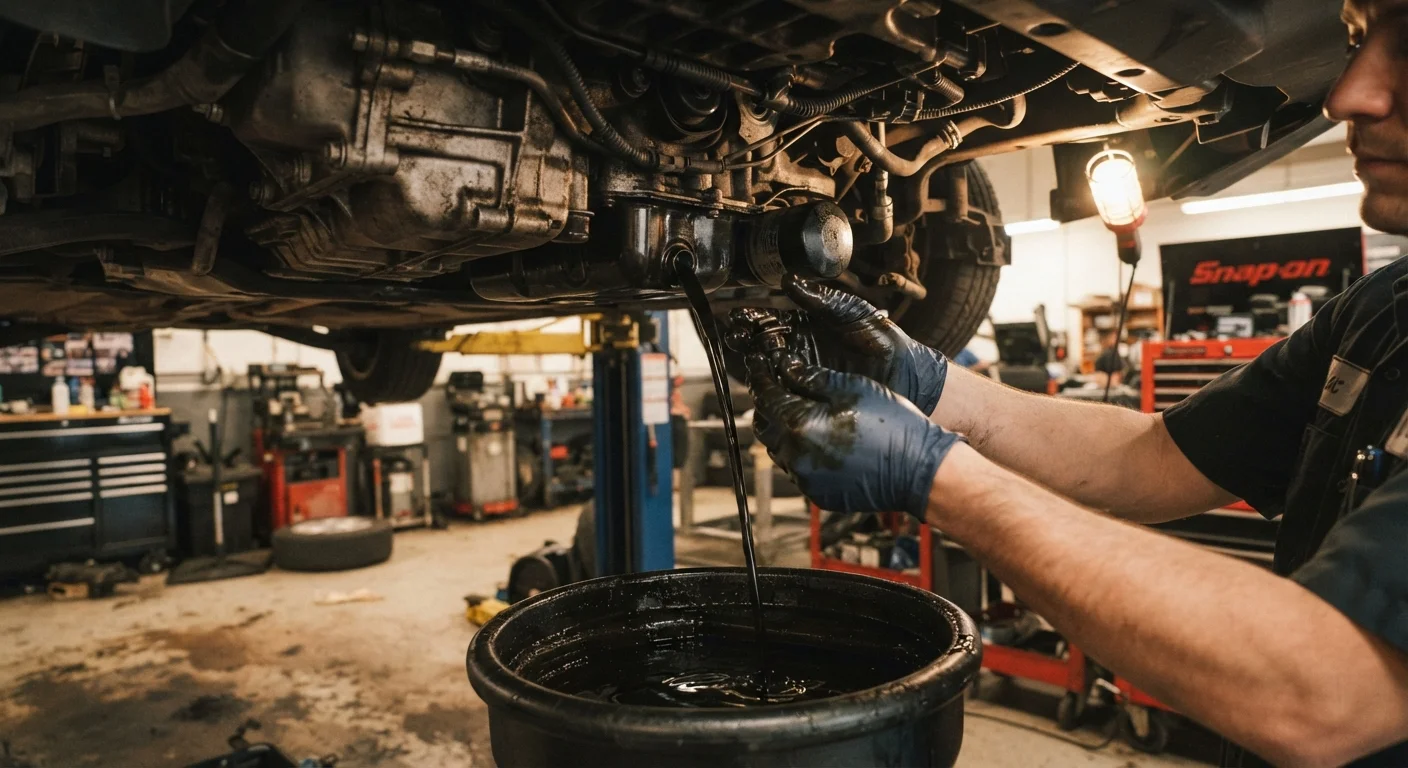
Photo credit: TrendingFaqs.com
In this article
An oil change involves more than swapping out old oil. Learn what technicians inspect, replace, and reset during a standard service visit.
Key Takeaways
- An oil change always includes replacing the oil filter, not just draining the old oil.
- Technicians typically check tire pressure, fluid levels, and visible wear items during the same visit.
- The oil drain plug and filter housing gasket are inspected for leaks each time.
- Most shops reset the oil life monitor after the service, but you can do this yourself if needed.
- Keeping a record of each oil change helps you track mileage intervals and spot patterns in wear.
More than a drain and refill
Most drivers think of an oil change as a simple swap: out with the old, in with the new. The basic steps are straightforward, but a proper service visit involves several actions that happen in parallel and affect more than just the oil.
A technician starts by lifting or driving the vehicle onto a rack, locating the oil drain plug on the bottom of the engine, and removing it to let the old oil flow out completely. While the oil drains, the oil filter is removed and discarded. Both the drain plug and the filter housing are checked for worn threads or gasket damage before anything is reassembled. A new filter goes on, the drain plug is reinstalled to the correct torque specification, and fresh oil is poured in through the fill cap on top of the engine.
That sequence takes about 15 minutes. What fills the rest of the service window is inspection work that many drivers do not realize is happening.
What technicians look at while they have your car
Because the vehicle is already on a lift, a technician has direct visibility of components that are hard to see from above. This is when several checks happen that are not part of the oil change itself but are considered standard practice at most shops.
- Tire pressure is checked and adjusted on all four tires. Tread depth may also be noted visually.
- Brake lines, rotors, and pads are observed from a distance for obvious wear or fluid leaks.
- Suspension and steering components are given a visual pass for cracking, leaking seals, or loose fittings.
- Exhaust pipes and connections are checked for damage or unusual rust.
Under the hood, the technician or a colleague typically checks the levels of other fluids: coolant, brake fluid, power steering fluid (on vehicles that still use it), transmission fluid, and windshield washer fluid. Air filter condition is often checked as well. None of these items are changed as part of the standard oil change, but findings are noted on an inspection sheet. For more on what each of those fluids does, see the guide to fluids under the hood.
Ask for the inspection sheet every time
Not every shop automatically hands over the multi-point inspection form when they return your keys. Get in the habit of asking for it before you leave. That document is a snapshot of your vehicle's condition at a specific mileage, and it is useful whether you stay at that shop or switch to a different one.
The oil life monitor reset
Most vehicles built in the past 15 years have an oil life monitor displayed on the dashboard. After the oil is changed, this system needs to be manually reset so it begins counting from 100 percent again. Shops do this before returning the vehicle.
If the reset is missed, the display will continue counting down from wherever it was before the service, which can prompt unnecessary early oil changes or, if ignored, give the false impression that the oil is still fresh when it is not. If you change your own oil, check your owner's manual for the specific button sequence to reset the monitor on your vehicle.
For a broader look at which maintenance intervals matter most when you are working with a tight budget, this breakdown of maintenance priorities covers what to protect first.
Why the inspection record matters
The written inspection sheet a shop provides after each oil change is more than a receipt. It documents the condition of several systems at a specific mileage point. When you keep those records over time, patterns become visible: a brake pad noted at 4mm of remaining thickness on one visit and 2mm six months later tells you roughly how much longer those pads will last.
Technicians flag items as green (acceptable), yellow (monitor or plan for service), or red (needs attention soon) on most multi-point inspection forms. Yellow items are not emergencies, but ignoring repeated yellow flags across multiple visits is how deferred maintenance turns into larger repairs. This article on skipping service intervals explains the chain of damage that pattern can set off.
Storing these records is straightforward. A folder in your glove box works. So does a note in your phone. Keeping a proper maintenance log gets easier once you have a simple system in place, and it adds real value when it is time to sell the vehicle.
Frequently Asked Questions

Author
Cars Editorial Team
Cars Editorial Team is the collective byline for our editorial team and contributor network. Articles published under this byline or an editorial pen name are researched, written, and reviewed according to our editorial standards for clarity, consistency, and independence before publication.
View all articles →