
Keeping Maintenance Records: What to Track and Why It Pays Off
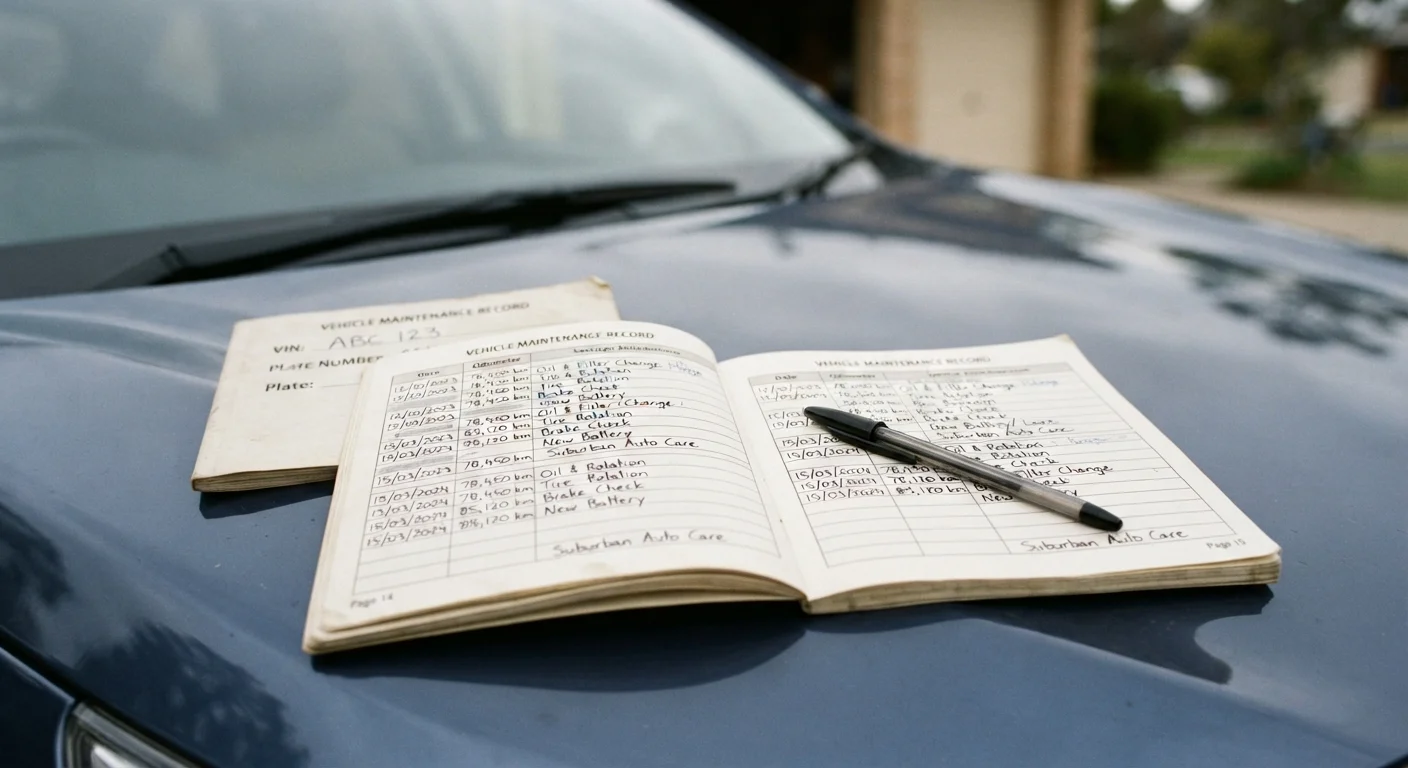
Photo credit: TrendingFaqs.com
In this article
A well-kept service history protects your investment and simplifies future repairs. Here is a practical approach to logging your vehicle's upkeep.
Key Takeaways
- Detailed maintenance records help mechanics diagnose problems faster and more accurately.
- A documented service history can increase resale value and buyer confidence.
- Tracking odometer readings alongside service dates catches patterns before they become problems.
- Digital apps and simple paper logs both work; consistency matters more than format.
- Warranty claims and insurance disputes are easier to resolve with written documentation.
Why keeping records is worth the effort
Most drivers remember to change the oil, rotate the tires, and replace the brakes when things get noisy. Fewer take the time to write any of it down. That gap matters more than it seems.
A complete maintenance log tells any mechanic, future buyer, or insurance adjuster exactly what has been done to a vehicle and when. Without it, every repair shop visit starts with guesswork. With it, a technician can see whether a part is near the end of its expected life or was just replaced six months ago. That context saves time, money, and sometimes prevents an unnecessary repair.
If you ever plan to sell, a documented service history gives buyers something they cannot get anywhere else: evidence that the car was cared for. That proof can shorten negotiations and, in many cases, support a higher asking price. Skipping that documentation is one of the commonly overlooked ownership habits that ends up costing drivers at resale time.
What to log after every service
A useful record does not need to be elaborate. For each service event, capture four things: the date, the odometer reading, what was done, and who did it. That combination gives you a timeline that is actually usable.
Beyond individual entries, keep any receipts, shop invoices, or parts stickers. A mechanic's invoice names the parts used and their part numbers, which matters if a warranty claim comes up later. If you do your own maintenance, write down the brand and grade of oil or fluid you used, not just the category.
For drivers just building their habits, the first-time owner maintenance guide walks through which services to prioritize from the start.
Formats that actually work
Paper still works fine. A small spiral notebook in the glove compartment costs almost nothing and travels with the car. The downside is that it can get lost, wet, or damaged. A dedicated folder for receipts alongside the notebook covers both the log and the documentation.
Smartphone apps built for vehicle maintenance let you set service reminders, photograph receipts, and sync records to the cloud. The backup protection alone is worth using one if you tend to keep everything on your phone anyway.
Spreadsheets split the difference: easy to search, printable, and shareable with a mechanic or a buyer. Store a copy somewhere other than just one device.
Photograph receipts before you leave the shop
Paper invoices fade, smear, and get lost in glove compartments. Taking a quick photo of each receipt while you are still in the parking lot takes seconds and creates a backup you can search later. Store the images in a dedicated album or folder so they are easy to find when you need them.
The format matters far less than sticking to it. A consistent paper log beats an abandoned app every time.
Using your records to catch problems early
A log is most useful when you actually review it. Before each service appointment, scan the last several entries. If the transmission fluid was changed at 60,000 miles and you are at 90,000, that gap is worth mentioning to your mechanic. If a noise showed up a year ago and was dismissed as minor, the record helps you bring that history into the conversation.
Odometer-based patterns are often more informative than date-based ones. A vehicle driven 20,000 miles a year needs coolant flushes and belt inspections sooner than one driven 8,000. Tracking mileage at each service lets you see exactly where you stand relative to the manufacturer's intervals, rather than relying on memory.
Deferred maintenance compounds. The consequences of skipping service intervals are rarely dramatic right away, but a log makes the gaps visible before a small issue turns into a larger repair.
Up to $500
Potential resale premium for documented service history
Vehicle pricing guides and auto industry analysts have noted that cars with complete service records can command higher private-party sale prices than comparable vehicles without documentation.
1 in 3
Drivers who keep no written maintenance records
Consumer automotive surveys have found that a significant share of vehicle owners rely entirely on memory or shop reminders rather than maintaining any personal service log.
Records and the bigger ownership picture
Good documentation connects to more than just repairs. If you file an insurance claim after an accident, records of recent brake service or tire replacement can support your account of the vehicle's condition. If a manufacturer issues a recall or a warranty dispute arises, a dated service log with matching receipts is the clearest evidence you have.
Budget-conscious drivers benefit from records too. Knowing exactly when each service was performed helps you schedule the next one without overspending on services that are not yet due. The guide to maintenance on a budget covers how to sequence services when money is tight, and a clear log makes that triage straightforward.
Start with whatever you have available today, fill in what you can remember or reconstruct from old receipts, and add every service from this point forward.
This article is for general informational purposes only. Consult a qualified mechanic for guidance specific to your vehicle's condition and needs.

Author
Cars Editorial Team
Cars Editorial Team is the collective byline for our editorial team and contributor network. Articles published under this byline or an editorial pen name are researched, written, and reviewed according to our editorial standards for clarity, consistency, and independence before publication.
View all articles →