
Before You Leave for Mexico City: A Pre-Trip Checklist
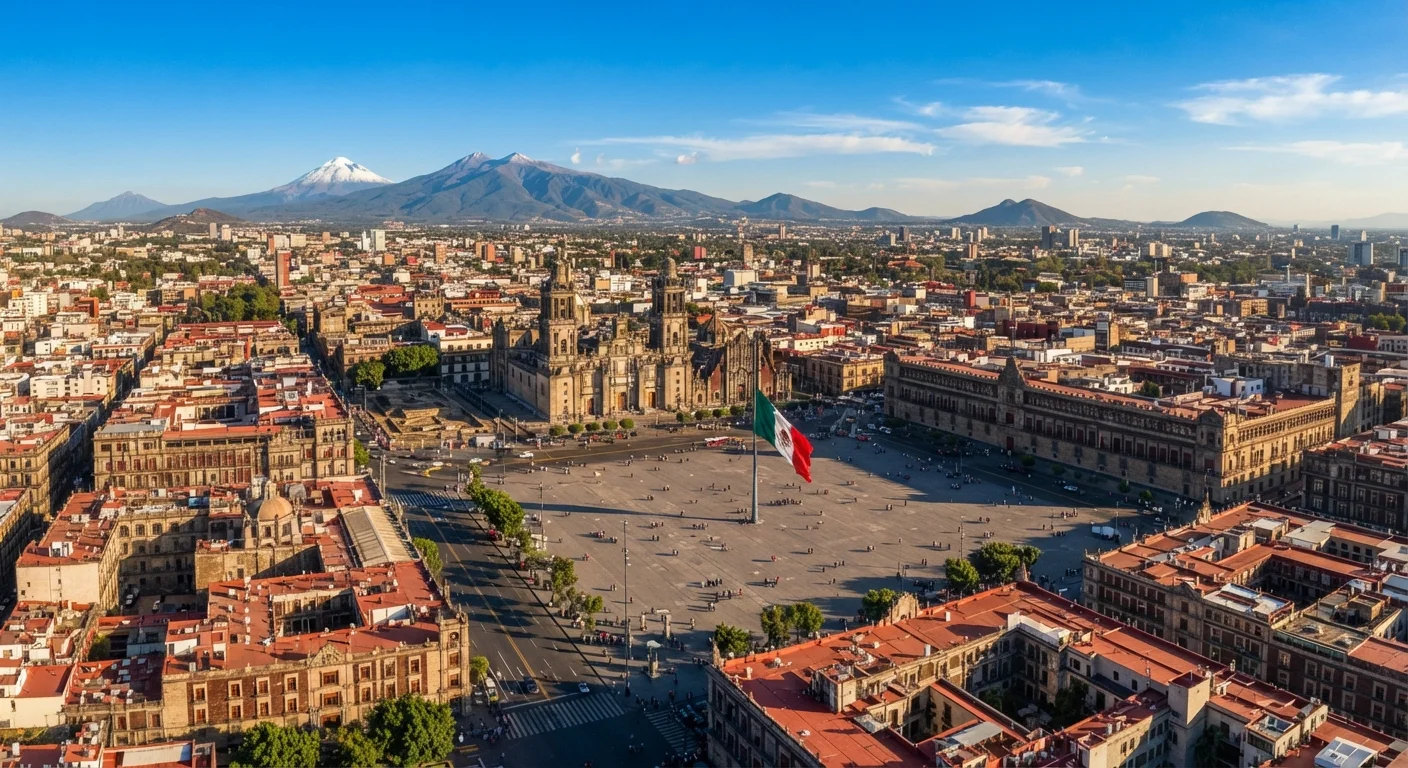
Photo credit: TrendingFaqs.com
In this article
Documents, neighborhoods, altitude, transportation apps, and safety awareness: everything worth confirming before your Mexico City departure.
Key Takeaways
- U.S. citizens do not need a visa for Mexico but must carry a valid passport with at least six months of validity remaining.
- Mexico City sits at roughly 7,350 feet above sea level; altitude adjustment takes most visitors one to three days.
- Tap water is not safe to drink in Mexico City; plan to use purified or bottled water throughout your stay.
- Downloading offline maps and local transportation apps before you land saves significant hassle on arrival.
- Carrying small bills in pesos makes daily transactions far smoother in markets and street-food stalls.
Why this checklist matters for Mexico City specifically
Mexico City is one of the largest urban areas in the world, and it combines world-class food, museums, and architecture with real logistical complexity. The altitude alone separates it from most destinations Americans visit frequently. Add in water safety, neighborhood variation, and a taxi culture that genuinely differs from what most U.S. travelers expect, and it becomes clear that a generic pre-trip checklist leaves too many gaps.
This checklist is built around the specific factors that catch first-time visitors off guard. Work through it alongside a broader pre-trip preparation checklist in the week before you leave.
Tap water is not safe to drink
Mexico City's tap water is not treated to a standard safe for consumption by visitors without an established tolerance. Use purified or bottled water for drinking and brushing teeth. Many hotels and rentals provide large water jugs (garrafones) at low cost, and filtered water stations are common throughout the city.
Altitude hits harder than most expect
At approximately 7,350 feet above sea level, Mexico City is higher than Denver. Headaches, fatigue, and shortness of breath on the first day are common, even for fit travelers. Avoid alcohol and heavy meals on your arrival day, hydrate consistently, and do not push through symptoms without rest. Consult a doctor before travel if you have heart or lung conditions.
Documents and entry requirements
U.S. citizens do not need a visa to enter Mexico for tourism stays under 180 days, but your passport must be valid and in good condition. Border officers can deny entry for a passport that is damaged or close to expiration.
Mexico does not currently require proof of COVID-19 vaccination for entry, but requirements can change. Check with official government sources shortly before your travel date rather than relying on travel forums. For a full rundown of every document worth having in order, see the international travel documents checklist. Common entry mistakes are also worth reviewing: what travelers get wrong about entry requirements covers the situations that actually stop trips at the border.
Documents and entry requirements
Health and altitude preparation
Money and budget
Transportation and navigation
Safety and situational awareness
Getting around and staying oriented
Mexico City's Metro is extensive and inexpensive, but it gets extremely crowded during peak hours and navigation requires some familiarity with the system. For most visitors, app-based rides are the more practical day-to-day option.
Avoid unmarked taxis hailed on the street. This is a consistent safety recommendation from both the U.S. Embassy in Mexico and experienced travelers. DiDi is widely used locally and tends to have good coverage across the city's districts. Download and configure your payment method before landing, since airport connectivity can be unpredictable on arrival.
DiDi or Uber app
Book pre-app rideshare trips to avoid the safety risks of hailing unmarked taxis.
Offline maps (Google Maps or Maps.me)
Navigate Mexico City without relying on a live data connection.
Travel insurance policy
Covers emergency medical care and evacuation, which standard health insurance often does not abroad.
Translation app with offline Spanish pack
Bridge language gaps at markets, restaurants, and smaller neighborhood shops.
Passport copy (digital and physical)
Provides identification backup if the original is lost or stolen.
Budget realities and money logistics
Mexico City is generally less expensive than major U.S. cities, but budgeting inaccurately is easy. Airport transfers, museum admissions for non-Mexican residents (which are often higher than local prices), and tipping at sit-down restaurants add up faster than travelers expect. The expenses travelers tend to underestimate are worth reviewing to build a more accurate daily budget.
ATMs inside banks are generally safer to use than standalone machines on the street. Withdraw pesos in moderate amounts rather than large sums at once, and keep small bills accessible for street food and markets where vendors rarely have change for large notes.
Verify entry requirements before you book
Entry rules, vaccination requirements, and visa policies can change. Check the official Mexican government immigration portal and the U.S. State Department's Mexico country page within a few weeks of your departure. Do not rely on information shared in travel forums, which may be outdated. Common entry requirement mistakes are one of the most frequent reasons travelers face problems at the border.

Author
Travel Editorial Team
Travel Editorial Team is the collective byline for our editorial team and contributor network. Articles published under this byline or an editorial pen name are researched, written, and reviewed according to our editorial standards for clarity, consistency, and independence before publication.
View all articles →