
Underestimated American Cities Worth Building a Trip Around
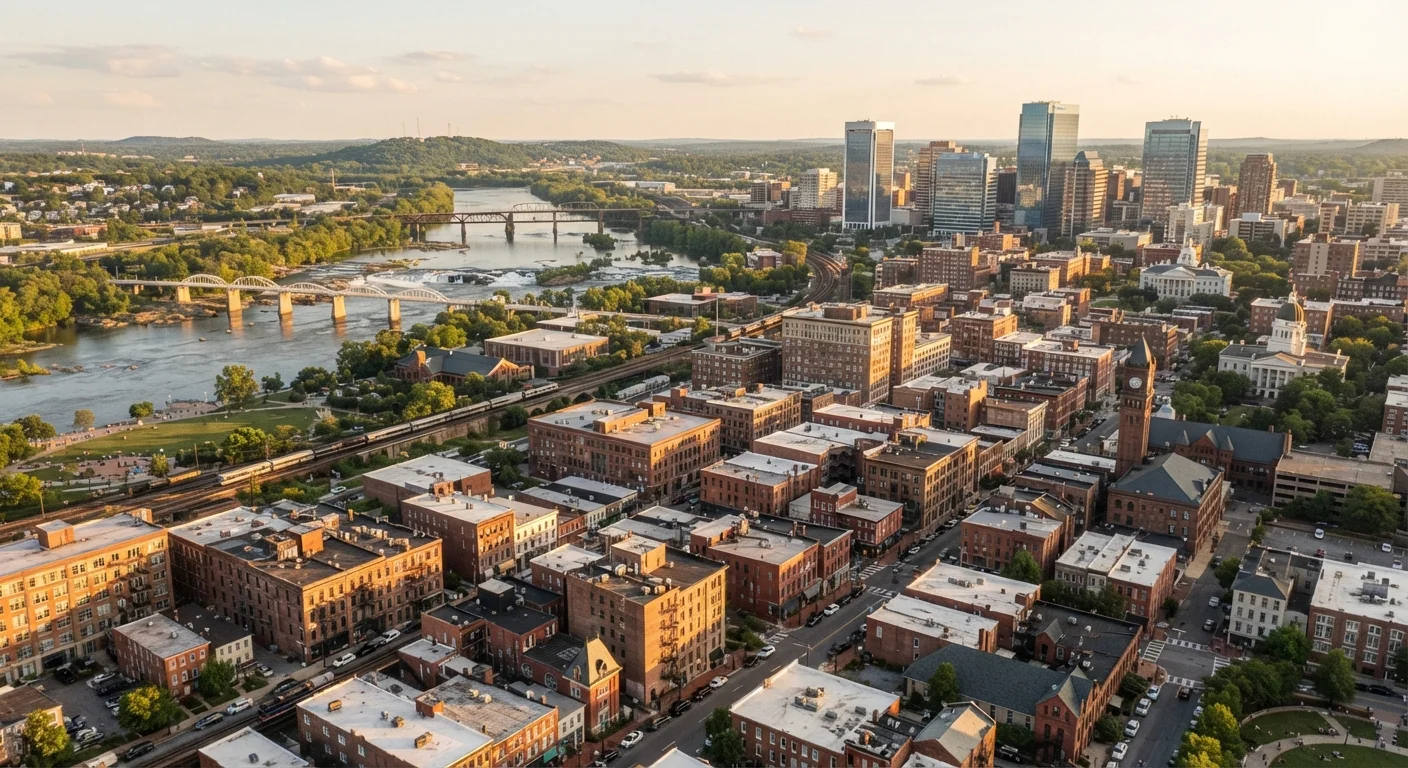
Photo credit: TrendingFaqs.com
Cities like Asheville, Pittsburgh, Tucson, and Detroit offer genuine travel depth. Here is what makes each one worth a deliberate visit.
Key Takeaways
- Several mid-sized U.S. cities offer food, arts, and history depth that rivals better-known destinations.
- Asheville, Pittsburgh, Tucson, Detroit, and Buffalo each have a distinct identity worth a dedicated visit.
- Fewer crowds and lower accommodation costs are common in these cities compared to major tourist hubs.
- Each city has neighborhoods, day trips, or cultural institutions that reward a slower, more deliberate pace.
- Planning a trip around one of these cities often costs less than visitors expect, especially on ground transportation.
The case for skipping the obvious
New York, Las Vegas, and Miami dominate American travel conversations for understandable reasons. They have the infrastructure, the marketing, and the name recognition. But infrastructure and name recognition do not equal the best possible trip for every traveler. Some of the most satisfying American city experiences happen in places where the hotel rates are reasonable, the restaurant reservation is actually gettable, and the neighborhoods feel like they belong to the people who live in them.
The cities below are not secret. Locals know them well, and a growing number of travelers have started paying attention. What they share is that they still have not crossed into the kind of oversaturation that turns travel into a logistical obstacle course. If you are building a trip from scratch, any one of them is worth centering the whole itinerary around. And if you worry about stretching your travel budget, budget line items that often catch travelers off guard are worth reviewing before you book anything.
Asheville, North Carolina
Asheville sits in the Blue Ridge Mountains at roughly 2,100 feet elevation, which gives it a cooler summer climate than most of the Southeast. The city has a walkable downtown anchored by Art Deco architecture, an independently owned food and drink scene that punches well above its population size, and the Biltmore Estate, the largest privately owned house in the United States, if historic architecture is your thing.
The River Arts District converts old industrial buildings into working studio space, and many artists keep their doors open to visitors on weekdays. The surrounding mountains offer hiking at various difficulty levels, from paved accessible trails to multi-day backcountry routes in Pisgah National Forest. Asheville does get busy during October foliage season and summer weekends, so visiting in April, May, or early November gives you most of the character with less of the congestion.
Asheville's Art Deco downtown and mountain access make it worth several days of deliberate exploration.
Pittsburgh, Pennsylvania
Pittsburgh's geography is unusual: the city sits at the confluence of three rivers, with neighborhoods built on steep hills connected by an extensive system of bridges (446 of them, more than any other city in the world by some counts). That physical layout gives every part of the city a distinct character. The Strip District is a working wholesale market that has evolved into a food destination. Lawrenceville has independent shops and restaurants along a walkable stretch. The North Shore has two major stadiums and easy access to the Carnegie Science Center.
The cultural infrastructure here is substantial. The Carnegie Museums of Art and Natural History occupy the same building in Oakland and together cover one of the stronger permanent collections in the country. The Andy Warhol Museum, the largest single-artist museum in the United States, draws visitors who make it a specific destination. Pittsburgh also has a practical advantage: it is one of the more affordable major American cities for hotels and food.
Pittsburgh's 446 bridges, distinct neighborhoods, and serious museum collections give it genuine travel depth.
Tucson, Arizona
Tucson has a different character than Phoenix, its larger neighbor to the north. It sits closer to the Mexican border and that proximity shapes the food culture, the architecture, and the daily pace. The city was designated a UNESCO Creative City of Gastronomy, the first in the United States, in 2015, in recognition of a culinary tradition that goes back thousands of years in the Sonoran Desert region. Sonoran-style food here is not a trend; it is the baseline.
Saguaro National Park is split into two districts that bracket the city on the east and west, putting saguaro cactus forests within a 20-minute drive of downtown hotels. Mount Lemmon, part of the Santa Catalina range, rises to nearly 9,200 feet and has a ski area that is one of the southernmost in the country. For travelers who also want to combine a city trip with desert landscapes, the broader Southwest national park options are within reasonable driving distance.
Tucson's UNESCO gastronomy status and two-district national park make it easy to build a full itinerary.
Detroit, Michigan
Detroit's narrative has shifted considerably over the past decade. The physical footprint of the city is large, and some areas are still recovering from decades of population decline. But the parts that are active are genuinely worth visiting. The Detroit Institute of Arts holds one of the top encyclopedic art collections in the country, including Diego Rivera's Detroit Industry Murals, commissioned in 1932 and still displayed in their original location. Eastern Market is a year-round public market with Saturday markets that draw local vendors from across the region.
The city's music history is documented at the Motown Museum, housed in the original Hitsville U.S.A. recording studio. Corktown, Detroit's oldest neighborhood, has seen significant restaurant and bar investment and is walkable on its own. A day trip to Dearborn puts the Henry Ford Museum (formally the Henry Ford) within easy reach, which holds one of the more comprehensive collections of American industrial and cultural history anywhere in the country.
Detroit's art collection, music history, and Eastern Market give it more layers than most travelers expect.
Buffalo, New York
Buffalo is close enough to Niagara Falls that many visitors treat the city as an afterthought on the way to the waterfall. That is a mistake. Buffalo has a concentration of late 19th- and early 20th-century architecture that architects specifically travel to study. Louis Sullivan's Guaranty Building, built in 1896, is one of the earliest skyscrapers in the country. Frank Lloyd Wright's Darwin Martin House, completed in 1905, is considered one of his most important early works and offers guided tours.
Elmwood Village is a walkable neighborhood with independent restaurants and shops that holds its own against equivalent neighborhoods in much larger cities. The Albright-Knox Art Gallery (now the Buffalo AKG Art Museum following a major expansion) has a modern and contemporary collection with particular strengths in Abstract Expressionism. Winter is real here, but the city's proximity to Lake Erie means it also gets more snow than most of upstate New York, which appeals to travelers who want a proper winter environment without the alpine price tag.
Buffalo's architectural legacy alone is a legitimate reason to plan a dedicated trip to the city.
What to keep in mind before you go
Each city on this list has real seasonal variation. Asheville sees high summer and leaf-peeping crowds. Detroit and Buffalo have winters that require honest preparation. Tucson is genuinely hot from late May through September, and many outdoor activities are better suited to late fall or early spring. Check local event calendars before finalizing dates, since regional festivals can affect both accommodation availability and atmosphere in ways that cut both ways.
Getting around without a car
Pittsburgh and Buffalo both have walkable core neighborhoods and reasonable transit for getting between them. Asheville is more car-dependent outside of downtown. Tucson and Detroit are spread-out cities where a rental car or rideshare budget genuinely affects what you can access, so factor that into your planning before arrival.
If these cities spark an appetite for underappreciated destinations more broadly, the same instinct applies internationally. Many of the same reasons travelers overlook mid-sized American cities also explain why myths about international travel hold Americans back from trips that are more manageable than assumed. Closer to home, New Orleans rewards the same willingness to go past the obvious, once you move beyond the French Quarter.

Author
Travel Editorial Team
Travel Editorial Team is the collective byline for our editorial team and contributor network. Articles published under this byline or an editorial pen name are researched, written, and reviewed according to our editorial standards for clarity, consistency, and independence before publication.
View all articles →