
Things Travelers Tend to Underestimate When Budgeting a Trip
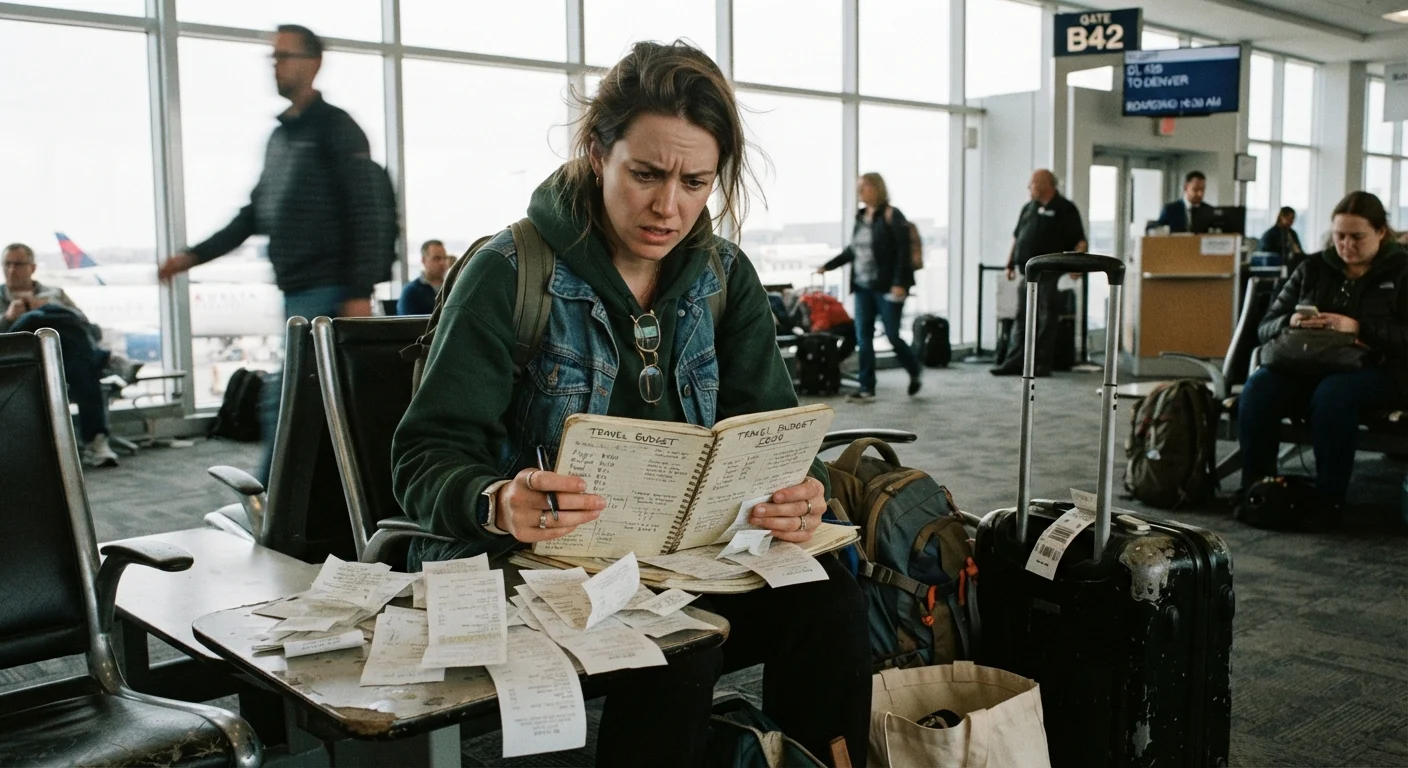
Photo credit: TrendingFaqs.com
Airport transfers, tipping customs, and entry fees often get overlooked. Learn which costs catch travelers off guard so you can plan more accurately.
Key Takeaways
- Airport transfers, city taxes, and entry fees rarely appear in the initial trip estimate.
- Tipping customs vary widely by country and can add meaningful daily costs.
- Travel insurance, luggage fees, and visa costs are frequently forgotten until the last minute.
- Building a 15 to 20 percent buffer into any travel budget helps absorb surprises.
- Researching destination-specific costs before booking prevents the most common budget gaps.
Why travel budgets fall short
Most travelers budget for the obvious line items: flights, hotel, and food. The gaps appear in the less visible costs that accumulate steadily once the trip is underway. A week-long international trip can run hundreds of dollars over budget not because of one large surprise, but because of a dozen small ones that never made it onto the spreadsheet.
This pattern is common enough that it mirrors everyday financial habits. The same way that small recurring purchases quietly drain accounts at home (see habits that quietly drain savings), travel has its own version of slow-drip spending. The difference is that travel compresses it all into days rather than months, which makes the cumulative effect hit harder and faster.
The mistakes below are not about reckless spending. They happen to careful, research-minded travelers who simply did not know what to look for.
Forgetting airport transfer costs in both directions.
Why it happens: Travelers focus on getting to the airport from home, but the cost of getting from the destination airport to the hotel (and back) is often priced out only after arrival, when options are limited.
Ignoring destination-specific taxes and tourist levies.
Why it happens: City and regional tourism taxes are rarely included in hotel booking totals shown during the search phase. They often appear only at checkout or are collected in cash at the property.
Underestimating tipping costs in countries where tipping is customary.
Why it happens: Americans often budget for meals and services but treat tips as an afterthought rather than a planned line item, even though gratuity on a full week of dining and transport adds up quickly.
Leaving visa and entry fees out of the pre-trip budget.
Why it happens: Visa requirements get researched for eligibility, but the associated fees are frequently noted and then forgotten when the overall trip cost is tallied.
Treating travel insurance as optional and skipping it to save money.
Why it happens: Insurance feels abstract when nothing has gone wrong yet. Travelers who have had smooth trips before tend to assume the pattern will hold.
Ignoring airline luggage fees when comparing flight prices.
Why it happens: Fare comparison tools typically display base fares, and baggage fees are listed separately in fine print. The cheapest-looking flight often requires an additional checked bag fee per leg.
How to build a more accurate travel budget
Once you know which costs tend to go missing, you can account for them systematically. Start by listing every transition in your trip: airport to accommodation, day trips, border crossings, and any ticketed attractions. Each transition likely has a cost attached.
For international trips, check the official government websites of your destination country for visa fees, tourist taxes, and any arrival or departure levies. The entry requirements travelers often miss go beyond documents and include fees that are easy to overlook when the focus is on paperwork.
Research tipping norms specific to your destination rather than assuming American conventions apply. Japan, for instance, has tipping customs that differ significantly from what most Americans expect. The Japan first-time visitor guide covers this and similar cultural logistics in detail.
Factor in luggage fees before you book flights. If you are comparing booking direct versus through a travel agency, the base fare difference often narrows or reverses once bag fees are included. The same logic applies to timing: how far ahead you book affects both fare and flexibility.
For cruise travelers, port fees, gratuities, and shore excursions are the most commonly underestimated categories. The cruises hub has budgeting guidance specific to that format.
A flat buffer of 15 to 20 percent on top of your total estimated cost is a practical safety margin. It does not need to be spent, but having it available prevents a single unexpected cost from derailing the whole trip.

Author
Travel Editorial Team
Travel Editorial Team is the collective byline for our editorial team and contributor network. Articles published under this byline or an editorial pen name are researched, written, and reviewed according to our editorial standards for clarity, consistency, and independence before publication.
View all articles →