
Why Lisbon Keeps Surprising Travelers Who Think They Know It
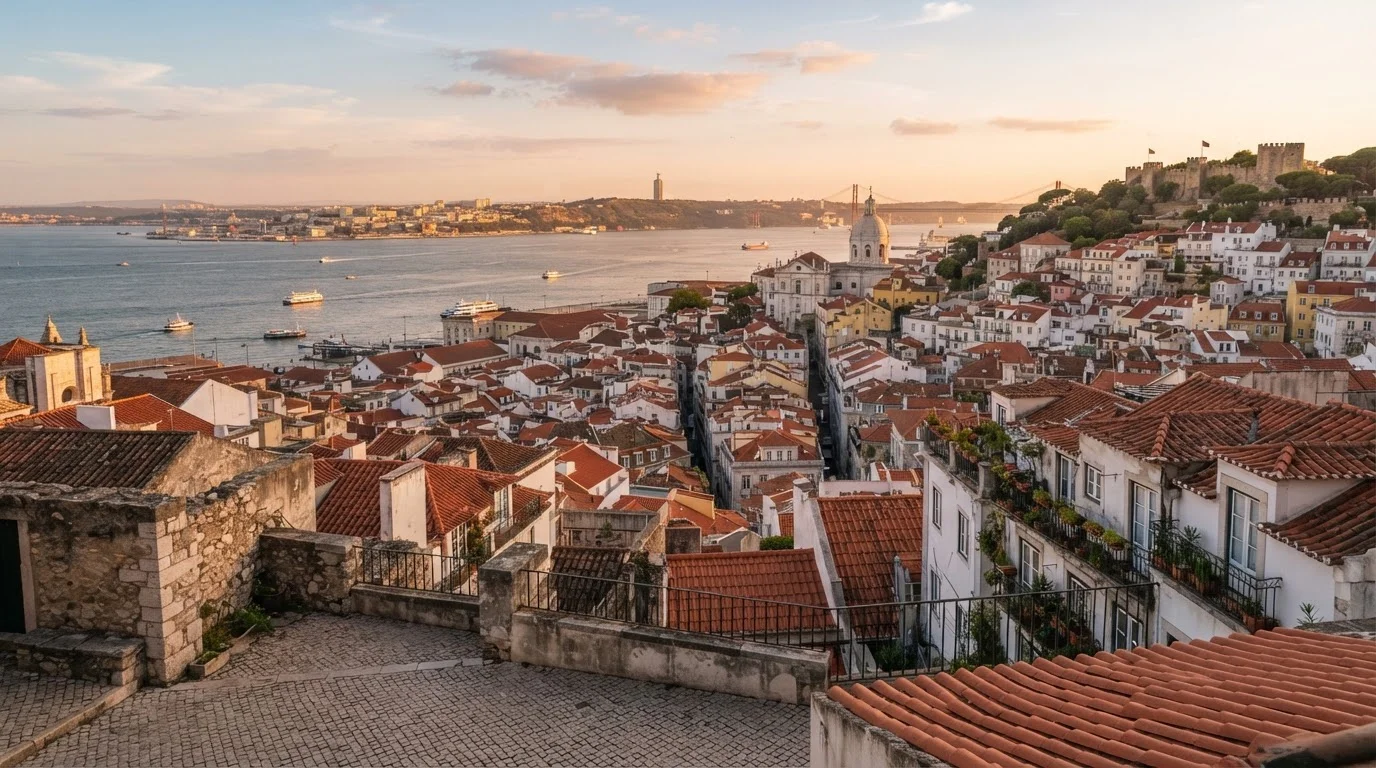
Photo credit: TrendingFaqs.com
In this article
Lisbon rewards slow exploration. Here is what the city is genuinely like beyond the postcard views, including its hills, food culture, and pace of life.
Key Takeaways
- Lisbon's hills are steeper than photos suggest; comfortable shoes matter more than most guides admit.
- The food culture stretches far beyond pasteis de nata, with a serious wine and seafood scene worth exploring.
- Public transport covers most of the city well, but some historic tram routes are crowded tourist draws rather than practical tools.
- Neighborhoods like Mouraria and Beato offer a calmer, more local pace than the heavily photographed Alfama.
- Rain and cooler temperatures between November and March thin the crowds noticeably without closing much of the city.
What Lisbon actually feels like to move through
Most people arrive with images of blue-and-white tiles, yellow trams, and ocean light. Those things exist. But the physical experience of the city is dominated by something photographs consistently flatten: the gradient. Lisbon's hills are not gentle rises. Rua do Forno do Tijolo, the stairways threading up from Mouraria, the lanes behind the Se Cathedral - these are genuine climbs, and they set the rhythm of every day you spend there.
That slope shapes what the city rewards. Moving slowly through Lisbon, stopping when you need to, sitting in a small square mid-morning with a coffee, produces a more honest experience than ticking off viewpoints. The miradouros (hilltop lookout terraces) are worth reaching, but the walks between them are where the city actually lives.
Streets in the Alfama date to the Moorish period and do not follow any grid. Baixa, the flat central district rebuilt after the 1755 earthquake, follows a strict Pombaline plan with wide, parallel avenues. These two urban logics sit minutes apart, and switching between them produces the particular disorientation that many visitors describe as Lisbon's appeal.
Pack footwear you have already broken in
Lisbon's cobblestone streets (calçada portuguesa) are uneven, occasionally slippery when wet, and hard on feet over long days. Shoes that are comfortable from the first hour matter more than most items in your bag. Sandals and hard-soled dress shoes tend to create problems by day two.
The neighborhoods that get overlooked
Alfama receives a disproportionate share of attention. It is genuinely interesting, but by mid-morning it fills with tour groups, and many of its businesses now orient almost entirely toward visitors. Mouraria, directly adjacent and historically connected to it, gets far fewer walkers. The streets around Intendente square have a mix of older residents, newer restaurants, and a pace that does not feel staged.
Beato, further east along the Tagus, has drawn creative businesses and restaurants into repurposed industrial buildings. LX Factory in Alcantara is better known but follows a similar logic: old warehouse structures converted into a dense cluster of workshops, cafes, and a weekend market. These areas do not appear in most short-trip itineraries.
Principe Real, on a ridge above Chiado, has the antique shops, garden squares, and weekend produce market that people imagine the whole city looks like. It is one of the few neighborhoods where sitting in a park feels neither tourist-focused nor out of reach.
For context on how Lisbon compares to cities that similarly reward slow, deliberate exploration, see our overview of underestimated American cities - the dynamic is surprisingly similar.
Food culture beyond the obvious items
The custard tart conversation tends to crowd out everything else, which undersells what the city does with food. Lisbon's seafood is a genuine strength: grilled fish prepared without much intervention, salt cod prepared dozens of ways, razor clams that are a different thing entirely from what most American travelers have encountered. The wine scene, built around indigenous grape varieties most people have never heard of, is worth engaging with rather than defaulting to whatever is familiar.
A tasca is a small, typically family-run restaurant that operates on a short, rotating menu. These are not hidden gems in any marketing sense; they are just the ordinary local lunch or dinner option. Prices tend to be lower than the tourist-facing restaurants in Baixa, and the food is often better. Finding them means walking a few streets away from the main squares.
Lunch is the larger meal in Portuguese daily life. Many restaurants offer a prato do dia (dish of the day) at lunch that includes bread, a drink, and a main for a fixed price. Dinner menus are often the same food at higher prices.
550,000
Population of Lisbon proper
The greater metropolitan area holds approximately 2.8 million people, making it one of the smaller Western European capitals by city population.
7
Hills the city is built across
Lisbon's seven hills (colinas) are a geographical fact that directly affects walking time and effort in the historic center.
300+
Days of sunshine per year on average
Lisbon's Atlantic-Mediterranean climate produces one of the highest sunshine totals of any Western European capital, according to Portuguese meteorological records.
Getting around without frustration
The yellow trams are famous. Line 28, which crosses Alfama, is also consistently overcrowded during tourist hours and has been a known pickpocket location for years. It runs through genuinely interesting streets, but the practical experience of riding it at peak times is unpleasant. The same streets are more navigable on foot, at your own pace.
The metro is clean, punctual, and covers the main neighborhoods adequately. Buses fill the gaps. An intermodal transport card (Viva Viagem) works across the metro, buses, and trams and is the straightforward way to handle payment.
Taxis and rideshare apps function normally. Lisbon's airport is close to the city center, reachable by metro on the red line, which keeps transfer costs predictable. Before you travel, it is worth reading about commonly underestimated travel expenses to avoid surprises on transfers, entry fees, and tipping customs specific to Portugal.
What the pace of the city requires from you
Lisbon does not respond well to being rushed. Travelers who arrive with a list of 12 things to accomplish in two days tend to leave with superficial impressions. The city's character comes through in the accumulated small observations: the particular light on azulejo tiles in the afternoon, the sound of fado from a window you were not looking for, the habit of staying at a table long after the meal ends.
That pace has economic and practical implications. Shops in older neighborhoods close for part of the afternoon. Restaurants generally do not open for dinner until 7:30 p.m. or later. The expectation that everything will be continuously available, as in American cities, does not hold.
For visitors who accept that structure, Lisbon delivers a concentrated experience. The city is small enough to understand across several days, varied enough to keep producing things you did not expect, and old enough that its layers remain visible rather than obscured.
Frequently Asked Questions

Author
Travel Editorial Team
Travel Editorial Team is the collective byline for our editorial team and contributor network. Articles published under this byline or an editorial pen name are researched, written, and reviewed according to our editorial standards for clarity, consistency, and independence before publication.
View all articles →