
Managing Your Budget Onboard: A Practical Spending Framework
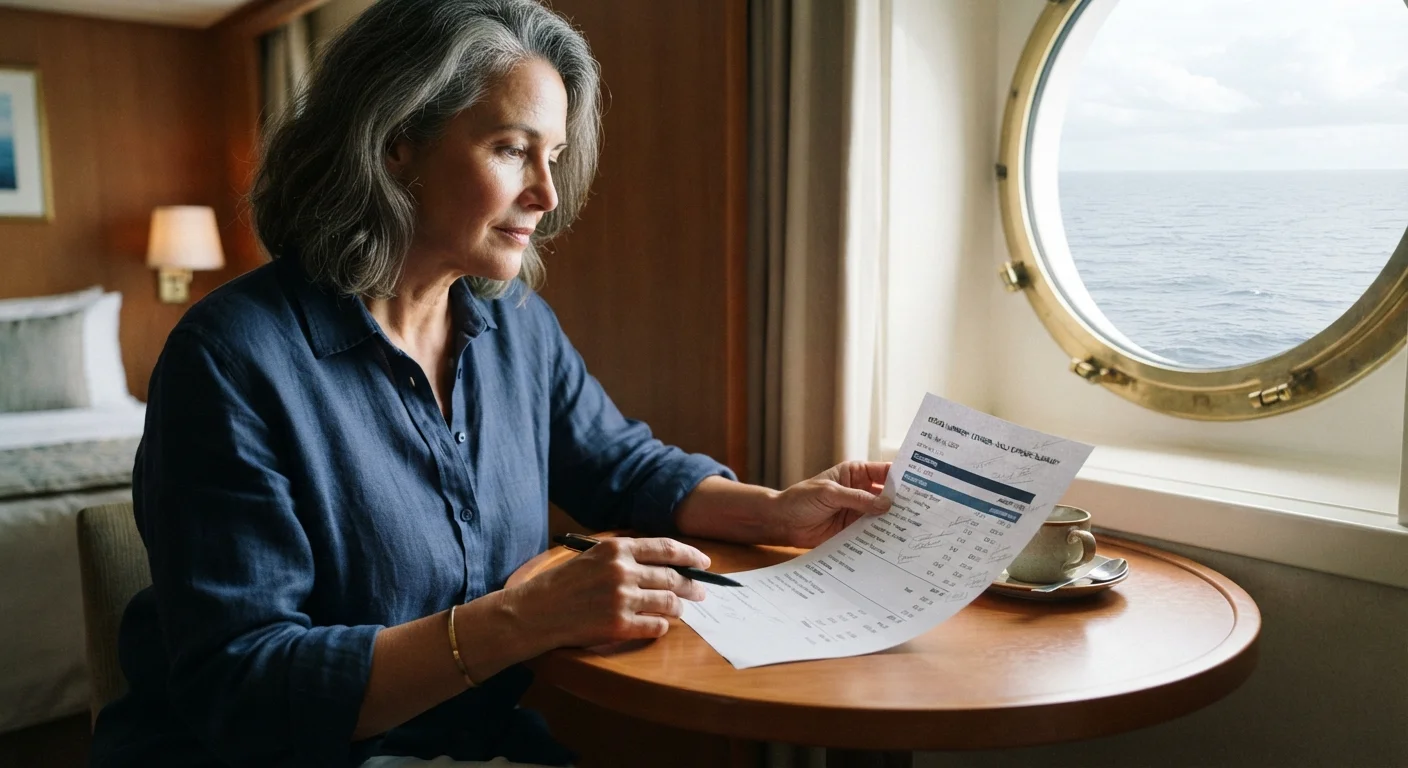
Photo credit: TrendingFaqs.com
In this article
From onboard accounts to daily spending limits, learn how cruise billing works and how to keep your spending in check throughout the voyage.
Key Takeaways
- Cruise ships run a cashless onboard account tied to your credit or debit card from embarkation day.
- Setting a daily spending ceiling before departure helps prevent balance shock at disembarkation.
- Many expenses beyond the base fare, such as gratuities and specialty dining, are easy to track in real time.
- Checking your account balance daily through the ship app or guest services takes under two minutes.
- A cash deposit option exists as an alternative to card-linked accounts if you prefer a hard spending cap.
How onboard billing actually works
When you board a cruise ship, the front desk (usually called guest services or the purser's desk) links a payment method to your stateroom account. Every purchase you make on the ship, whether it is a cocktail at the pool bar, a shore excursion booked through the cruise line, or a fee at the spa, gets charged to that account rather than paid on the spot. You settle the total at the end of the voyage or at regular billing intervals, depending on the line.
Most cruise lines give you two setup options. The first is a credit or debit card authorization, which places a hold on your card and charges the running balance periodically or upon departure. The second is a cash deposit, where you load a fixed dollar amount upfront; the system flags you if you approach the limit so you can top it up or stop spending. The cash deposit approach works well as a natural spending cap, though it requires you to visit guest services to add funds if you run through it.
Before you sail, review the billing terms for your specific cruise line. Some lines automatically add gratuities as a daily service charge, which will appear on your account from day one. Others let you prepay gratuities before embarkation to remove them from your onboard balance entirely. See our breakdown of costs that go beyond the headline fare for a fuller picture of what to expect before you board.
Building your spending framework before you leave home
A workable onboard budget starts with a spending plan you build at home, not at sea. Begin by listing every category of onboard expense: beverages, specialty dining, spa services, casino play, shopping, shore excursions, and any gratuities not already prepaid. Assign a realistic dollar amount to each category for the full voyage, then divide by the number of cruise days to get a daily ceiling.
Understanding which dining venues are included in your fare and which cost extra is one of the faster ways to tighten the plan, because food spending tends to be the most variable category onboard. If you know you want two specialty restaurant dinners, price them out in advance on the cruise line's website and book them before departure; onboard prices are sometimes higher and pre-booking removes the temptation to add more nights once you are in a fun-spending mindset.
For drinks, decide whether a beverage package makes financial sense for your group. Run the math based on realistic daily consumption rather than aspirational consumption. If the package price exceeds what you would honestly spend, skip it and track drink purchases individually instead.
Track spending in real time
If your plan involves tracking daily totals manually, a simple notes app or a printable spending log works fine. For a more structured approach, budgeting apps with manual entry features let you log each purchase by category as you go. Logging a charge immediately after you make it takes seconds and prevents the end-of-day memory gap that leads to underestimates.
If your plan involves tracking daily totals manually, a simple notes app or a printable spending log works fine. For a more structured approach, budgeting apps with manual entry features let you log each purchase by category in real time.
Staying on track during the voyage
The most reliable habit during the cruise is checking your onboard account balance every morning. Most major cruise lines display your running total through their ship app, the in-stateroom TV system, or a printed statement you can request at guest services. This takes roughly two minutes and gives you a clear picture before the day's spending begins.
When a charge looks unfamiliar, address it immediately rather than waiting until the final night. Guest services can pull the itemized receipt for any transaction and, if an error occurred, correct it on the spot. Errors do happen, particularly with beverage charges when a card is scanned at a busy bar.
Port days often carry the highest spending risk because they combine onboard charges with off-ship cash spending. Set a separate cash envelope for each port stop, covering local meals, souvenirs, and activities you arrange independently. This prevents port spending from bleeding into your tracked onboard balance and gives you a clear view of both.
If you are traveling with family and have set up linked accounts for children or other stateroom members, verify the spending limits on those accounts during embarkation. Some lines allow parents to cap the amount a child's card can charge, which removes the need for ongoing monitoring of every transaction.
Reviewing and closing your account at disembarkation
The night before the ship docks for the final time, a full itemized statement appears under your stateroom door or becomes available in the ship app. Go through every line. Cross-reference any categories where you kept your own log. If anything looks wrong, guest services is open late on the final night specifically for this purpose.
If you used a credit card, the final charge typically posts within a few days of disembarkation, though the timeline varies by line and card issuer. Debit card users should note that holds placed at embarkation can temporarily reduce available funds for several days after the voyage ends, so avoid leaving your checking account balance tight around travel dates.
Managing cruise spending is one layer of a broader approach to travel finance. If you want to connect onboard discipline to longer-term habits, the practical guidance on building savings in our finance section is a logical next read.

Author
Travel Editorial Team
Travel Editorial Team is the collective byline for our editorial team and contributor network. Articles published under this byline or an editorial pen name are researched, written, and reviewed according to our editorial standards for clarity, consistency, and independence before publication.
View all articles →