
The Real Reasons Gutters Matter and What Happens When They Clog
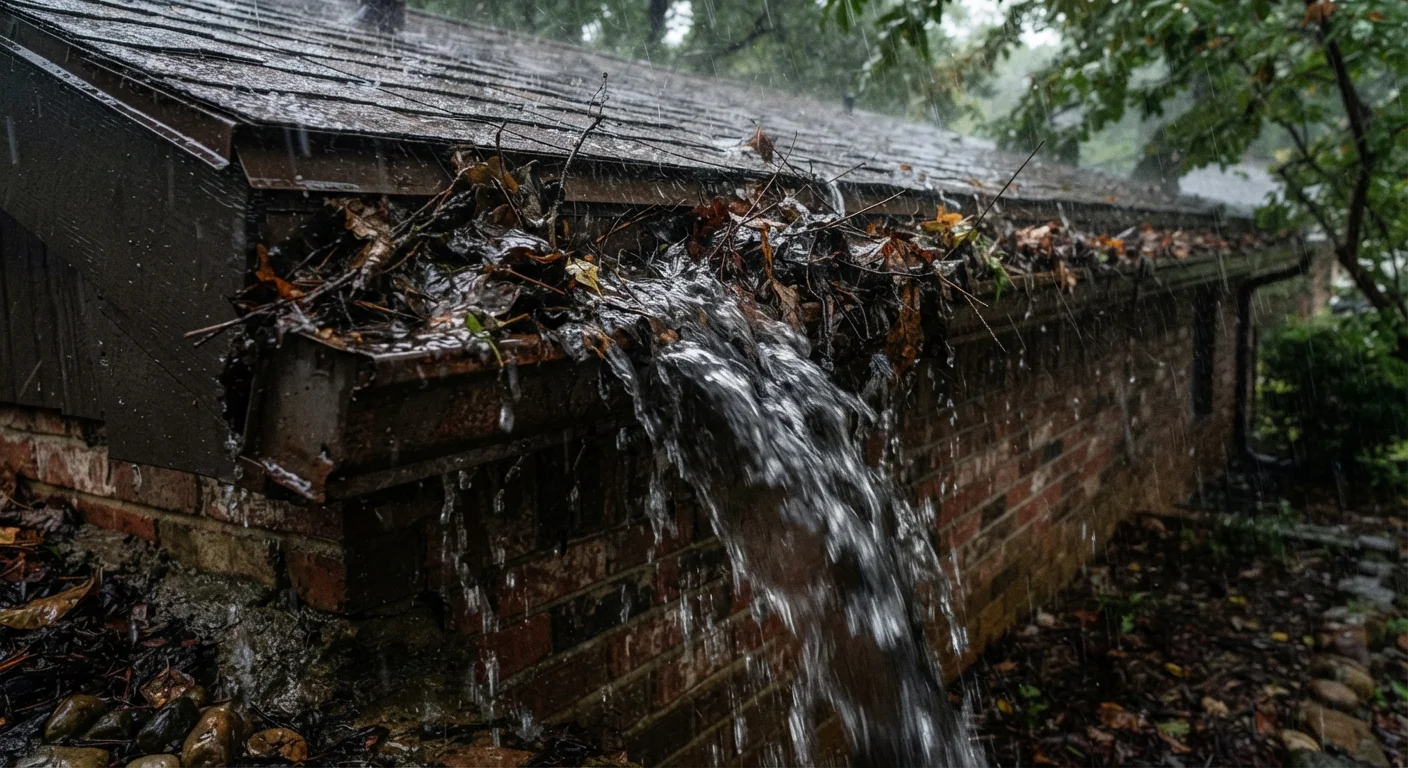
Photo credit: TrendingFaqs.com
In this article
Clogged gutters do more than overflow. They can damage your foundation, siding, and roof. Here is the full picture of why gutter maintenance pays off.
Key Takeaways
- Gutters protect your foundation, siding, fascia boards, and basement from water damage.
- A clog does not have to be complete to cause problems; partial blockages redirect water in harmful ways.
- Foundation damage from poor drainage is one of the most expensive home repairs a homeowner can face.
- Cleaning gutters twice a year, in spring and fall, prevents most clog-related damage.
- Downspout placement and soil grading work together with gutters to move water safely away from the structure.
What gutters actually do
A roof sheds an enormous volume of water during a rainstorm. On a 2,000-square-foot home, one inch of rain produces roughly 1,200 gallons of runoff. Without gutters, all of that water falls off the roof edge in a curtain, eroding soil, splashing mud onto siding, and soaking the ground immediately around the foundation.
Gutters intercept that water at the roofline and funnel it to downspouts, which carry it to a controlled discharge point away from the house. That path matters. When water exits four to six feet from the foundation rather than directly against it, the soil has time to absorb and drain moisture without becoming saturated.
Gutters also protect the fascia boards they attach to. Fascia is the trim that runs along the roof edge, and it is typically wood. Persistent water exposure causes fascia to rot, and once fascia fails, the structural connection between the roofing system and the wall weakens. Replacing rotted fascia costs considerably more than routine gutter cleaning. See how gutters fit into the broader picture of home upkeep in our guide on what a home maintenance schedule should actually include.
What happens when gutters clog
A clogged gutter does not just overflow. It changes where water goes and how long it sits, and both of those shifts cause damage.
Standing water in a clogged trough is heavy. One gallon of water weighs about 8.3 pounds, and a trough full of wet leaves and debris can weigh hundreds of pounds. That weight pulls the gutter away from the fascia, bending hangers and eventually tearing the gutter off entirely.
Water that overtops the front edge of a clogged gutter falls directly against the foundation. Repeated soaking saturates the soil, which expands when wet and contracts when dry. That cycle puts pressure on foundation walls that, over time, can produce cracks and allow water intrusion. Our article on what homeowners often get wrong about basement waterproofing covers how poor drainage contributes to recurring wet basements.
Water can also back up behind the gutter and get under roofing materials. In winter, standing water in clogged gutters freezes and forms ice dams, which force water beneath shingles and into the attic or wall cavities. That kind of intrusion leads to mold, insulation damage, and ceiling staining.
1,200 gal
Runoff from 1 inch of rain on a 2,000 sq ft roof
This figure is calculated using the standard formula: roof area (sq ft) multiplied by rainfall (inches) multiplied by 0.623.
8.3 lbs
Weight of one gallon of water
A trough full of wet debris and standing water can add hundreds of pounds of stress to gutter hangers and fascia boards.
4-6 ft
Recommended downspout discharge distance from foundation
The International Residential Code and most local building guidelines recommend this minimum clearance to prevent soil saturation near foundation walls.
The foundation and crawl space connection
Foundation damage is the most serious downstream consequence of persistent gutter neglect. Water that pools against a foundation does not just wet the surface. It permeates the concrete or masonry, and in cold climates, that moisture freezes inside the material, expanding and widening small cracks with each freeze-thaw cycle.
Crawl spaces are particularly sensitive to drainage problems. When soil around the perimeter stays wet, humidity rises inside the crawl space, creating conditions that support mold growth, wood rot, and pest activity. Our guide on crawl space basics and what lurks beneath your home explains how moisture from poor drainage affects air quality and structural health throughout the house.
Grading, which is the slope of the soil around the house, works alongside gutters. If the soil slopes toward the foundation, even a functioning gutter system cannot fully compensate. The two systems need to work together.
How to keep gutters working
Cleaning gutters twice a year prevents most problems. Use gloves and a scoop to remove debris from the trough, then flush the channel with a garden hose toward the downspout to check for flow. If water backs up, the downspout is likely blocked and can usually be cleared with a plumber's snake or a strong stream from a hose inserted at the top.
Check that downspout extensions direct water at least four feet from the foundation, and look at the splash blocks or drainage paths to confirm water is actually moving away from the structure rather than pooling.
While on the ladder, inspect the fascia boards for soft spots or discoloration, check that gutter hangers are secure, and look for any sections where the trough has pulled away from the roofline or developed a low spot where water will pool instead of drain.
Check gutters after every major storm
Heavy storms can deposit large amounts of debris in a single event. A quick visual inspection from the ground after a significant storm lets you spot obvious blockages or sagging sections before they cause water to redirect toward the house. You do not need to get on a ladder for every check; look for water stains on siding or soil disturbance near downspouts as ground-level clues.
Gutter guards can lengthen the time between cleanings, but they are not maintenance-free. Inspect any guard system annually and clear debris that has accumulated on top of the mesh or cover.
Frequently Asked Questions

Author
Home Editorial Team
Home Editorial Team is the collective byline for our editorial team and contributor network. Articles published under this byline or an editorial pen name are researched, written, and reviewed according to our editorial standards for clarity, consistency, and independence before publication.
View all articles →