
Natural Light and Artificial Light: Finding the Right Balance at Home
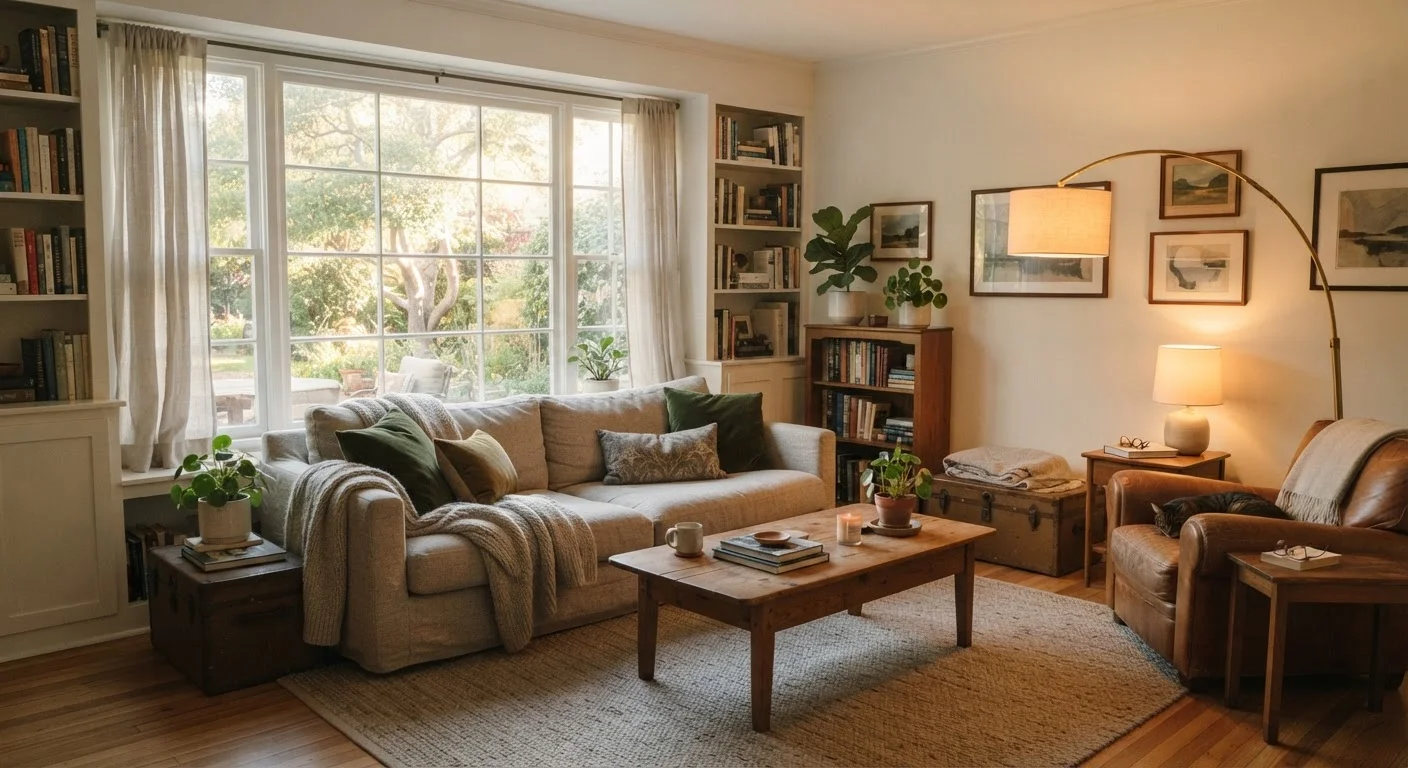
Photo credit: TrendingFaqs.com
In this article
Too much artificial light can disrupt sleep and mood. Here is how to use natural and electric light together for a healthier, cozier home.
Key Takeaways
- Natural light supports alertness and mood during the day by influencing your circadian rhythm.
- Artificial light fills gaps natural light cannot, but blue-rich bulbs used at night can disrupt sleep.
- Warm, dimmer artificial light in the evening signals the body to wind down.
- Mirrors, light paint colors, and window treatments help you get more from available sunlight.
- The best home lighting blends both sources according to the time of day and the task at hand.
How each type of light works in your home
Natural light comes from the sun and changes throughout the day in both intensity and color temperature. Morning light tends to be cooler and bluer; late afternoon light shifts toward orange and amber. Your body uses these cues to regulate its internal clock, called the circadian rhythm, which governs when you feel awake and when you feel ready to sleep.
Artificial light covers everything powered by electricity, from overhead fixtures to desk lamps. It gives you control over brightness and timing regardless of weather or season. The color temperature of a bulb, measured in Kelvins (K), matters more than most people realize. Bulbs below 3000K produce a warm, yellowish glow. Bulbs above 5000K produce a cooler, bluish-white light similar to midday sun.
Both sources have genuine strengths. Natural light is free, flattering, and linked to measurable health benefits in research literature. Artificial light is reliable, flexible, and necessary for safe function after dark. The goal is to use them in sequence, letting one hand off to the other as the day moves forward. For related guidance on how your home environment shapes overall comfort, see daily habits that keep a home feeling fresh.
Side-by-side comparison
The table below outlines where each light source performs well and where it falls short across the criteria that matter most in a home setting.
| Criterion | Natural light | Artificial light |
|---|---|---|
| Availability | Daytime only, weather-dependent | Any time, fully reliable |
| Cost | Free once windows are in place | Ongoing electricity cost |
| Color temperature | Varies naturally through the day | Fixed by bulb choice; adjustable with smart bulbs |
| Sleep impact | Supports daytime alertness and nighttime rest | Cool bulbs at night can suppress melatonin |
| Controllability | Limited; managed via window treatments | Full control over brightness and timing |
| Best time of day | Morning through late afternoon | Evening and overnight |
| Mood and alertness | Linked to better daytime mood in research | Depends heavily on color temperature chosen |
Making the most of natural light
Before adding any fixtures or bulbs, look at what sunlight your home already receives and whether anything is blocking it. Heavy drapes pulled across south- or east-facing windows can cut available daylight significantly. Swapping them for sheer panels or cellular shades lets light through while still offering privacy.
Paint color has a measurable effect. Flat, dark walls absorb light; pale, slightly reflective finishes bounce it further into the room. Mirrors placed opposite windows can push natural light into corners that would otherwise stay dim all day.
Furniture placement matters too. Tall bookcases or large pieces set directly in front of windows cast shadows on the rest of the room. Moving them to side walls often noticeably brightens a space without any other change. If your home office lacks adequate daylight, setting up a workspace with better light access covers practical layout strategies.
Using artificial light without disrupting sleep or comfort
The main problem with artificial light at night is blue wavelengths. Cool-white and daylight bulbs (4000K and above) signal the brain to stay alert, which is useful at noon but counterproductive at 9 p.m. Switching to warm bulbs (2700K to 3000K) in living areas and bedrooms starting about two hours before bed gives the body time to shift toward sleep.
Dimmer switches offer a practical middle ground. They let you use the same fixture at full brightness for evening tasks and at a lower level as the night progresses. Smart bulbs can automate this shift if you prefer a set-and-forget approach.
Overhead lighting alone tends to feel flat and harsh at night. Adding floor lamps or table lamps with warm bulbs creates pools of light at eye level, which feels more relaxed than a bright ceiling fixture flooding the entire room. For a full picture of what makes a bedroom genuinely restful, this guide on bedroom comfort beyond mattresses covers lighting alongside other factors.
This article provides general home comfort information and is not medical advice. If you have concerns about sleep disorders or light-related health conditions, consult a qualified healthcare professional.

Author
Home Editorial Team
Home Editorial Team is the collective byline for our editorial team and contributor network. Articles published under this byline or an editorial pen name are researched, written, and reviewed according to our editorial standards for clarity, consistency, and independence before publication.
View all articles →