
The Hidden Costs of Car Ownership Most People Underestimate
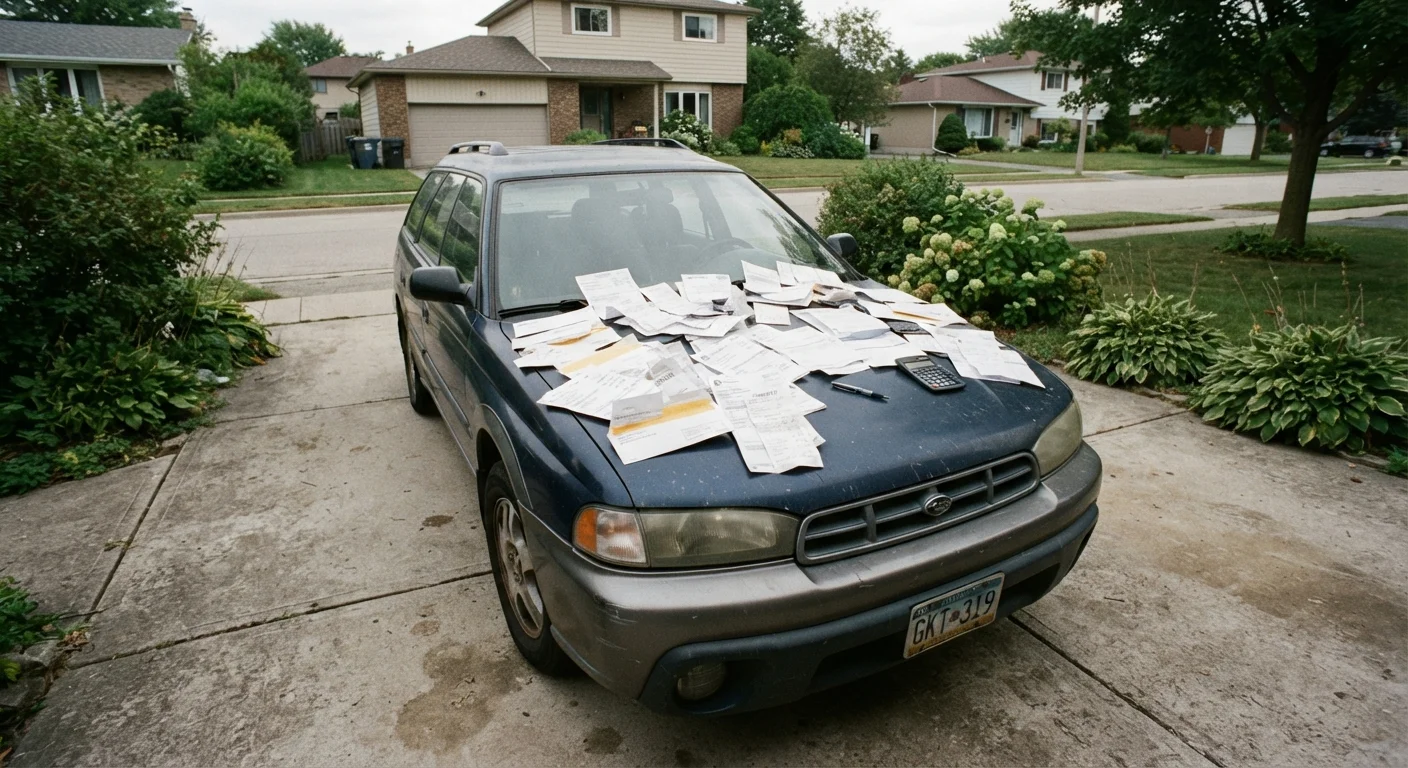
Photo credit: TrendingFaqs.com
In this article
Fuel and payments are just the start. Explore the recurring and surprise expenses that add up over a car's lifetime.
Key Takeaways
- Depreciation is often the single largest cost of owning a car, yet most owners never see it as a bill.
- Insurance, registration, and taxes recur every year and vary widely depending on where you live.
- Maintenance and tire replacement costs catch many owners off guard, especially after the warranty expires.
- Parking, tolls, and car washes are small individually but accumulate into a significant annual expense.
- Loan interest means the price you pay at signing rarely reflects what you actually spend on the car.
- Opportunity cost and lost savings from a large down payment are real financial factors worth considering.
What you budget versus what you actually pay
Most people calculate car affordability by adding up the monthly loan payment and a rough estimate for gas. That math leaves out a long list of costs that show up month after month, year after year. When you total them across a typical ownership period of five to eight years, the gap between what you expected to pay and what you actually paid can be several thousand dollars wide.
This isn't about scaring anyone away from car ownership. For most American households, a car is a practical necessity. The goal here is to lay out the costs that tend to get overlooked so you can plan for them rather than get caught by them. If you're just starting out, our guide for first-time car owners covers the full picture of year one responsibilities. The list below focuses on the expenses that even experienced owners tend to underestimate.
Depreciation
A new car loses a significant portion of its value the moment you drive it off the lot, and continues to lose value every year after that. Depreciation is the difference between what you paid and what you could sell the car for today. It doesn't show up as a monthly bill, which is exactly why people ignore it, but it represents real money leaving your pocket.
The rate of depreciation varies by make, model, and market conditions, but on many vehicles the loss over the first five years is substantial. If you sell or trade in before the loan is paid off, depreciation can also leave you owing more than the car is worth, a situation commonly called being underwater on a loan.
Depreciation doesn't send you a bill, but it's often the biggest cost you'll absorb as an owner.
Loan interest
If you financed your vehicle, the amount you agreed to pay on the window sticker is not what you'll actually spend. Interest charges over a five- or six-year loan can add thousands to the total cost. A longer loan term lowers the monthly payment, which feels easier on the budget, but it increases the total interest paid over the life of the loan.
Before signing, ask the dealer or lender for the total amount financed plus total interest, not just the monthly figure. That combined number is the real price of the car. For a broader look at how financial math like this misleads buyers, see our article on common financial misconceptions.
A lower monthly payment often means more total interest paid, not a better deal.
Insurance premiums
Auto insurance is required in nearly every state, but the premium amount varies enormously based on your location, driving record, vehicle type, age, and coverage level. Many buyers estimate insurance using a ballpark figure from a previous car without getting an actual quote on the new vehicle first.
Comprehensive and collision coverage on a newer or financed car is typically required by the lender and costs more than liability-only coverage. Premiums also tend to rise after accidents, tickets, or even significant changes in local claim rates. For general background on how auto insurance works, insurance basics is a useful starting point.
Insurance costs can shift significantly year to year without any change in your own driving behavior.
Registration fees and taxes
Every state charges annual registration fees, and many base the amount on the vehicle's value or age. Some localities add personal property tax on top of registration. These charges are predictable but easy to forget when budgeting because they're typically paid once a year rather than monthly.
In some states, a vehicle that costs $30,000 to buy can carry a first-year registration fee of several hundred dollars. The fee usually drops as the car ages and loses value, but it remains a recurring line item for as long as you own the vehicle.
Annual registration and taxes recur every year, and the first year is often the most expensive.
Routine maintenance
Oil changes, air filters, brake pads, cabin filters, coolant flushes, and timing belt replacements are all scheduled maintenance items. None of them are optional if you want the car to remain reliable and hold its value. The cost of skipping them tends to show up later as a larger repair bill.
New cars often come with complimentary maintenance for the first year or two, which can mask the true cost. Once that coverage ends, owners sometimes experience sticker shock at the first out-of-pocket service appointment. Staying current on scheduled maintenance is covered in detail across the car maintenance hub.
Factory maintenance coverage ending is a predictable cost spike that many owners don't plan for.
Tires
A full set of tires on a mid-size sedan or SUV can run several hundred dollars, and most vehicles need new tires every three to five years depending on mileage and driving conditions. Owners in regions with harsh winters who run separate winter tires pay that replacement cost more frequently and also carry the expense of seasonal swaps.
Tire costs rarely appear in back-of-envelope ownership calculations, but they're a guaranteed expense for every vehicle on the road. Rotation and alignment services extend tire life and are themselves recurring costs worth including in your budget.
Tires are a guaranteed replacement cost that most people don't account for when buying a car.
Parking, tolls, and fees
In urban areas especially, parking costs can rival a car payment. Monthly garage fees, metered street parking, permit fees for residential zones, and toll roads all add up. Even in suburban areas, airport parking, stadium events, and downtown trips carry fees that owners rarely track as a category.
These costs are individually small, which is why they tend to disappear into general spending rather than being counted as car expenses. Totaling them for a year often surprises people who thought they had a handle on what their car costs them.
Parking and toll costs look minor individually but can total hundreds of dollars per year.
Unexpected repairs
Once a factory or extended warranty expires, every mechanical failure comes out of your pocket. A transmission repair, an alternator replacement, or a failed fuel pump can each run into the hundreds or low thousands of dollars. Older vehicles are more prone to these events, but newer ones are not immune.
Financial planners commonly suggest keeping a dedicated car emergency fund separate from your general savings. Without one, a single unexpected repair can force you to carry debt or skip other financial goals. This kind of unplanned expense is the same dynamic described in our article on habits that quietly drain savings.
A single unexpected repair after warranty expiration can cost more than several months of payments.
How to get a clearer picture of your true annual cost
Add up every item on this list for your current vehicle and divide by 12. Most owners find the monthly total is noticeably higher than what they mentally budgeted when they bought. That number is your real cost of ownership, and it's worth comparing against your actual income and savings goals.
Build a dedicated car fund
Consider setting aside a fixed monthly amount, separate from your emergency fund, specifically for car expenses. Cover predictable costs like registration and tires, and build a buffer for unplanned repairs. Even a modest monthly contribution can prevent a single repair bill from disrupting your broader budget.
These costs also shift over a lifetime of driving. A single person in their twenties faces a very different ownership equation than a family with teenagers or someone approaching retirement. The financial side of car ownership across life stages article breaks down how priorities and expenses evolve. More broadly, car costs fit into a wider set of spending habits that quietly drain savings without ever feeling like a big purchase.

Author
Cars Editorial Team
Cars Editorial Team is the collective byline for our editorial team and contributor network. Articles published under this byline or an editorial pen name are researched, written, and reviewed according to our editorial standards for clarity, consistency, and independence before publication.
View all articles →