
Japan for First-Time Visitors: Culture, Logistics, and What Surprises Most Americans
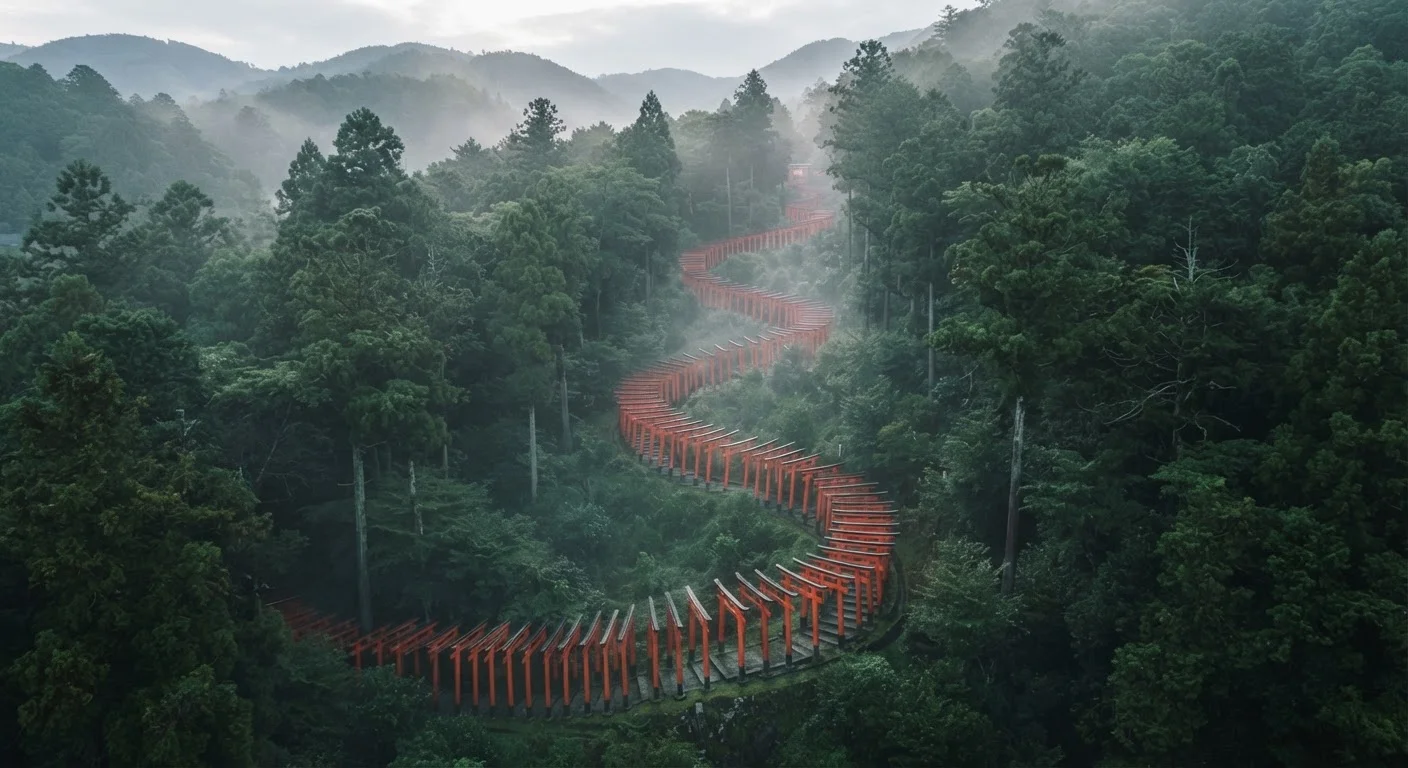
Photo credit: TrendingFaqs.com
In this article
A grounded introduction to traveling Japan, covering transportation, etiquette, regional differences, and what catches most Western visitors off guard.
Key Takeaways
- Japan's rail network is extensive and punctual, and an IC card covers most urban transit needs.
- Tipping is not practiced in Japan and can cause awkwardness; simply pay the stated price.
- Cash is still widely used, so carry yen and locate ATMs at convenience stores like 7-Eleven.
- Kyoto and Tokyo have very different characters; first-timers benefit from spending time in both.
- Entry requirements for Americans change, so verify current visa and passport rules before departure.
- The language barrier is manageable with translation apps, but learning a few basic phrases goes a long way.
Getting around: trains, IC cards, and navigating cities
Japan's rail system is the backbone of any first trip. The network covers the country thoroughly, trains run on time to a degree that can feel almost theatrical to Americans accustomed to Amtrak delays, and signage at major stations appears in English alongside Japanese. The shinkansen connects Tokyo, Kyoto, Osaka, Hiroshima, and many other cities in hours rather than days.
For urban transit, the IC card is the practical foundation of daily movement. Pick one up at any major airport train station upon arrival, load yen onto it, and tap in and out of subway and bus systems across the country without needing to calculate individual fares. The same card works at many convenience stores.
Load your IC card before you need it
Pick up a Suica or Pasmo IC card at a major train station as soon as you clear customs at the airport. You can load yen onto it immediately and use it across subway lines, buses, and many convenience store purchases. Fumbling with coins or figuring out individual fares on a crowded platform is the kind of friction an IC card eliminates entirely.
Getting lost in a large station like Shinjuku or Osaka-Umeda is nearly a rite of passage. Give yourself extra time when transferring for the first few days. Station maps are posted at exits, and station staff are generally willing to help even with a limited shared language.
Etiquette rules that actually matter
Japan has social conventions that differ substantially from American norms, and most first-time visitors appreciate knowing them in advance rather than piecing them together through awkward moments.
- Do not tip. Tipping is not part of Japanese service culture and can create discomfort for the recipient. The price on the menu or receipt is what you pay.
- Remove shoes when entering a home, traditional inn, or any space with a raised floor and a rack of slippers near the entrance. Look for the cues; they are usually obvious.
- Eat and drink while seated or standing still, not while walking through streets or on trains. The exception is festivals and street food stalls, where eating while standing nearby is expected.
- Keep phone calls off trains. Passengers speak quietly or not at all in train cars. Texting is fine.
- Carry small bills and coins. Many vending machines, small restaurants, and temple admission booths work best with exact or near-exact change.
None of these require perfection. Japanese hosts are generally patient with visitors making genuine efforts. The point is awareness, not anxiety.
Common misconceptions about European travel offer a useful parallel: the gaps between expected and actual etiquette often matter more than language itself.
Where to go: Tokyo, Kyoto, Osaka, and beyond
A first trip typically anchors around the Tokyo-Kyoto-Osaka corridor, and for good reason. These cities concentrate an enormous range of experiences within a manageable geographic stretch.
Tokyo is one of the world's largest cities and among its most organized. Neighborhoods vary sharply: Shibuya and Shinjuku are dense commercial centers; Yanaka retains the feel of an older, quieter city; Akihabara is the center of electronics and anime culture. Spending at least four days here before moving on gives the city room to reveal itself.
Kyoto holds the highest concentration of traditional temples, shrines, and preserved historic districts in the country. The Arashiyama bamboo grove, Fushimi Inari shrine, and the geisha district of Gion are the visible attractions, but the city rewards slower exploration between them.
Osaka is the food city. Takoyaki (octopus balls), kushikatsu (skewered fried items), and ramen variations give even a short stay genuine culinary substance. Osaka also makes a practical base for day trips to Nara, where deer wander freely around ancient shrine grounds, and to Hiroshima and Miyajima Island by shinkansen.
Shinkansen
Japan's high-speed bullet train network connecting major cities at speeds up to 320 km/h. It is the fastest practical way to travel between cities like Tokyo, Kyoto, and Hiroshima.
IC card
A rechargeable contactless transit card (such as Suica or Pasmo) used to pay for subway, bus, and some convenience store purchases by tapping at terminals.
Onsen
A traditional Japanese hot spring bath, found at ryokan inns and public bath houses. Most require bathers to wash thoroughly before entering and prohibit tattoos.
Ryokan
A traditional Japanese inn featuring tatami-mat rooms, futon bedding, communal baths, and multi-course meals. The experience differs substantially from a Western hotel.
JR Pass
The Japan Rail Pass, a time-limited ticket available to foreign visitors that allows unlimited travel on most Japan Railways Group trains, including many shinkansen routes.
Konbini
A Japanese convenience store (Seven-Eleven, FamilyMart, Lawson) open 24 hours and stocking freshly made food, ATMs, travel necessities, and much more.
Beyond this corridor, cities like Kanazawa (samurai and geisha districts largely intact), Hakone (mountain setting with views of Mt. Fuji on clear days), and Sapporo (in Hokkaido, Japan's northernmost main island) offer very different characters. A two-week first trip can reasonably include the main corridor plus one or two additions without feeling rushed.
Money, connectivity, and logistics
Japan remains more cash-dependent than most Americans expect. Credit cards work reliably at larger hotels, department stores, and chain restaurants, but a meaningful share of independent restaurants, rural lodgings, and shrine admission booths are cash-only. Carrying 20,000 to 30,000 yen (roughly $130 to $200) provides comfortable coverage for a day's spending.
ATMs at 7-Eleven convenience stores and Japan Post offices reliably accept foreign debit and credit cards and dispense yen. Bank ATMs often do not. 7-Eleven locations in Japan are extremely dense in urban areas, so access is rarely a problem.
For connectivity, a pocket Wi-Fi device or a Japanese SIM card provides reliable data throughout your trip. Both are available for rental or purchase at major airports. Google Maps and translation apps with offline capability cover most navigation and communication needs.
Costs that catch travelers off guard often include airport transfer fees and local transit; Japan's airport rail options are priced higher than Americans sometimes anticipate, so build those amounts into your early budget.
Verify entry rules close to your departure date
Japan's entry requirements for foreign nationals have shifted multiple times in recent years. Do not rely on information from friends who traveled a year ago or on articles without clear publication dates. Check the official website of the Japanese Embassy in the United States and the U.S. State Department's Japan travel page within a few weeks of your trip.
What surprises most Americans
A few consistent observations come from first-time American visitors to Japan.
The cleanliness surprises people. Streets in central Tokyo and Kyoto are remarkably litter-free despite a near-total absence of public trash cans. The convention is to carry your own small bag for waste and dispose of it at your accommodation or a convenience store bin.
The quiet surprises people. Public spaces, especially trains, operate at a hush that can feel unfamiliar. This is not unfriendliness; it is a different set of norms around shared space.
The food breadth surprises people. Americans often arrive expecting sushi and ramen, then discover a country with dozens of distinct regional cuisines, extraordinary convenience store food quality, and a serious tempura, yakitori, and tonkatsu culture that gets less international attention.
The scale surprises people. Tokyo has roughly 14 million residents in the city proper, with the greater metropolitan area significantly larger. Getting from one neighborhood to another takes real transit time, and itinerary planning that treats Tokyo as a single walkable zone will leave you exhausted by day two.
Common myths about international travel often include the assumption that language barriers make Japan inaccessible. In practice, English signage is extensive in tourist areas, translation apps handle restaurant menus and conversations reasonably well, and many hotel staff in major cities speak functional English.
Entry requirement mistakes are worth reviewing before any international trip, and Japan is no exception. Confirm your passport has sufficient validity and check current visa status through official channels.
Frequently Asked Questions

Author
Travel Editorial Team
Travel Editorial Team is the collective byline for our editorial team and contributor network. Articles published under this byline or an editorial pen name are researched, written, and reviewed according to our editorial standards for clarity, consistency, and independence before publication.
View all articles →