
Planning a Trip to Scotland: Terrain, Weather, and Honest Expectations
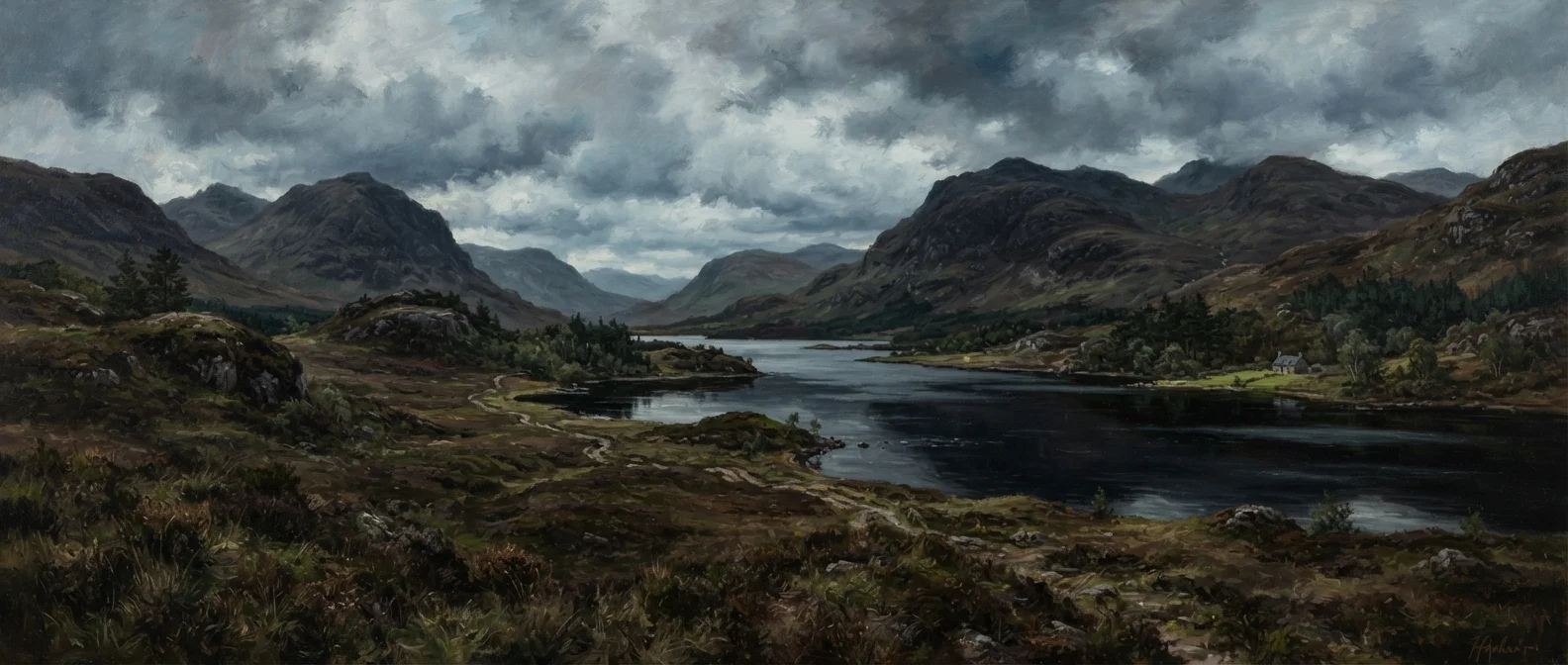
Photo credit: TrendingFaqs.com
In this article
Scotland's landscapes are striking but its weather is unpredictable. Here is a realistic look at what traveling the Highlands and cities actually involves.
What Scotland's terrain actually looks like
Scotland covers roughly 30,400 square miles and divides into three broad zones: the Highlands and Islands in the north and west, the Central Belt where Glasgow and Edinburgh sit, and the Southern Uplands along the English border. Each zone has a distinct character and demands different gear and expectations.
The Highlands are the region most visitors picture. The terrain is genuinely steep and remote. Glen Coe, the Cairngorms plateau, and the Applecross peninsula all involve narrow single-track roads, limited cell coverage, and distances that look short on a map but take much longer to drive than expected. The Cairngorms is the largest national park in the UK by area, and its interior has very few paved roads.
The Central Belt is urban and well-connected. Edinburgh's Old Town sits on volcanic rock, which means even a casual walk between the castle and Holyrood involves real elevation change. Glasgow is flatter and easier to navigate on foot.
The islands add a separate layer of planning. Skye is accessible by bridge from the mainland, but the Outer Hebrides, Orkney, and Shetland require ferry or flight connections, each with their own timetables and weather cancellation risks.
Weather: what the numbers say and what they mean in practice
Scotland has no dry season in the conventional sense. Rain is possible every month of the year, and the west coast receives significantly more precipitation than the east. Fort William, on the west coast, averages around 80 inches of rain annually, making it one of the wettest towns in the UK. Edinburgh, on the east coast, averages closer to 27 inches, which is roughly comparable to Rome.
Summer (June through August) brings the longest daylight hours, sometimes up to 18 hours in the far north, and temperatures in the Highlands typically range from the low 50s to the mid-60s Fahrenheit. Snow on high ground is possible even in June. Winter days are short, often under 7 hours of usable daylight in December, and mountain passes can close.
Wind is as significant as rain. Coastal and exposed Highland areas can see gusts that make walking genuinely difficult. The Met Office issues weather warnings for Scotland more frequently than for most of England, which is worth monitoring before any outdoor day. Always verify current conditions with official sources such as the Met Office or NatureScot before setting out on longer routes.
For a comparison with another high-latitude destination that gets similarly misrepresented in travel photography, see what Iceland actually looks like across all four seasons.
Cities versus countryside: time and logistics
Edinburgh and Glasgow are both compact enough to explore without a car and have reliable public transit. The train journey between them takes about 50 minutes and runs frequently. Both cities have international airports, though Edinburgh's handles more transatlantic connections.
Getting around rural Scotland without a car is possible but slow. The ScotRail network reaches Inverness, Kyle of Lochalsh, Thurso, and several other Highland towns, but frequencies drop to one or two trains a day on some lines. Citylink coaches fill some gaps. If your itinerary includes multiple Highland locations, renting a car is usually the most practical choice, but single-track roads with passing places require patience and attention, particularly in summer when traffic increases.
Distances are deceptive. The drive from Edinburgh to Ullapool, a popular gateway to the northwest Highlands, is about 215 miles but takes roughly 4 hours under good conditions because of road type and terrain. Plan for longer than Google Maps suggests.
Practical realities: midges, access, and costs
Midges are tiny biting insects that swarm in calm, humid conditions, most intensely from late May through September in the western Highlands and islands. They are not dangerous, but they can make standing still outdoors genuinely unpleasant. Insect repellent with DEET is widely sold in Scottish outdoor shops and works reasonably well. Wind keeps them grounded, so exposed ridgelines and breezy coastlines are much less affected than sheltered glens.
Scotland has one of the most open access laws in the world. The Land Reform (Scotland) Act 2003 gives people the right to be on most land and inland water for recreation, subject to responsible behavior under the Scottish Outdoor Access Code. This means wild camping is legally permitted in most rural areas, which is unusual compared to most of Europe.
Costs in cities align roughly with other major UK cities. The Highlands can be expensive for accommodation in summer due to limited supply and high demand. Self-catering cottages and hostels are cheaper alternatives. Fuel prices are higher in remote areas, and some island ferry crossings carry significant additional costs that add up across a longer trip.

Author
Travel Editorial Team
Travel Editorial Team is the collective byline for our editorial team and contributor network. Articles published under this byline or an editorial pen name are researched, written, and reviewed according to our editorial standards for clarity, consistency, and independence before publication.
View all articles →