
Iceland in Every Season: What the Country Actually Looks Like Year-Round
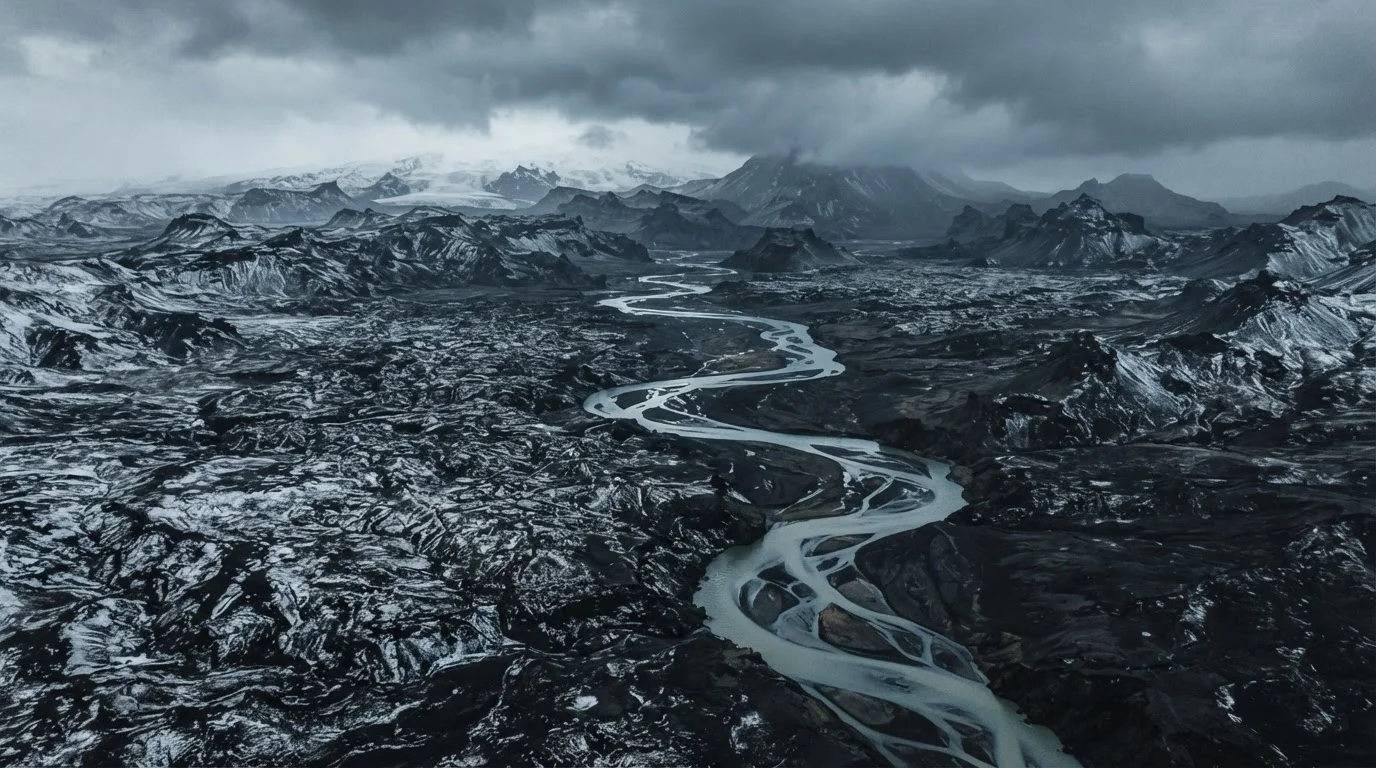
Photo credit: TrendingFaqs.com
In this article
From the midnight sun to winter auroras, here is what to realistically expect when visiting Iceland in spring, summer, fall, or winter.
How Iceland changes across the year
Iceland sits just below the Arctic Circle, which means the angle of sunlight alone reshapes the country every few months. Daylight hours swing from around 20 hours in late June to fewer than 5 in late December. Those extremes affect temperature, road access, wildlife activity, and what you can actually do on a given day. Before booking, it helps to understand what each season delivers in concrete terms, not just what looks appealing in a photo.
If you want the same kind of honest seasonal framing for another North Atlantic destination, the Scotland travel planning guide covers comparable terrain and weather trade-offs.
Spring (March through May)
Spring in Iceland is transitional in every sense. Snow is still present in the highlands through April, keeping the interior F-roads closed until late May or June. Coastal areas thaw faster, and waterfalls like Skogafoss run at full force from snowmelt. Average temperatures in Reykjavik hover between 2 and 10 degrees Celsius (36 to 50 degrees Fahrenheit).
The northern lights remain possible through late March, since darkness returns after each long evening. Puffins begin arriving at coastal cliffs in April, making spring one of the better windows for birdwatching around the Westfjords and Latrabjarg. Crowds are modest compared to summer, and accommodation prices tend to reflect that. Road conditions outside the ring road require daily checking through May.
Summer (June through August)
This is Iceland's most accessible season. The highland interior roads, including the F-roads that reach Landmannalaugar and the Highlands, open in late June or early July depending on snowpack. The midnight sun means you can hike at 11 p.m. in full daylight. Average highs in Reykjavik reach 12 to 15 degrees Celsius (54 to 59 degrees Fahrenheit), though wind and rain arrive without much warning.
Whale watching from Husavik and Akureyri peaks in July and August. The Laugavegur hiking trail is at its most walkable, but hut reservations fill months in advance. Tourist volume is highest from late June through August, which affects parking at major sites like the Golden Circle and Jokulsarlon glacier lagoon. If crowd levels factor into your planning, the peak season vs. off-season comparison lays out the real trade-offs.
F-roads
Unpaved mountain tracks in Iceland's interior, designated by an F prefix on maps. They require a four-wheel-drive vehicle with high clearance and are legally closed to standard passenger cars. Most open in late June and close again by mid-September.
Midnight sun
A natural phenomenon near the summer solstice where the sun stays above or just below the horizon throughout the night, producing near-continuous daylight. In Iceland, this is most pronounced from mid-June through early July.
Northern lights (aurora borealis)
Colorful light displays caused by solar particles interacting with Earth's atmosphere, visible at high latitudes when skies are dark and clear. In Iceland, viewing is possible from late August through April, though clear weather is required.
Ring road (Route 1)
Iceland's main paved highway that circles the entire island, roughly 1,332 kilometers (828 miles) in total. It stays open year-round, though winter sections can close temporarily during severe storms.
Fall (September through November)
September is widely considered a practical sweet spot. Highland roads are still open for most of the month, daylight is workable (around 12 to 14 hours in early September), and the first aurora sightings of the season appear by late August. Autumn foliage in Iceland is subtle since most vegetation is low-growing moss, heather, and dwarf birch, but valleys take on yellow and rust tones through October.
By November, temperatures drop to between -1 and 5 degrees Celsius (30 to 41 degrees Fahrenheit) in Reykjavik, and the highland interior closes entirely. Storms increase in frequency. The aurora season is well underway, and dark skies near Borgarfjordur or the Snaefellsnes Peninsula give good viewing conditions away from city light.
Winter (December through February)
Winter in Iceland is not for the underprepared, but it is manageable with the right expectations. Daylight in Reykjavik runs to about 4 to 5 hours near the solstice. Road conditions on routes outside the ring road can close without notice, and the Icelandic Road and Coastal Administration website (road.is) is the standard reference for daily closures.
The ring road itself stays open through most winters, though ice and high winds are routine. Ice cave tours inside Vatnajokull glacier run from November through March, guided only, and those slots book early. Northern lights activity is not guaranteed on any given night; clear skies are required, and Iceland's weather changes within hours. Average temperatures in Reykjavik stay between -3 and 3 degrees Celsius (27 to 37 degrees Fahrenheit). Layered wool and waterproof outer gear are standard requirements, not upgrades.
What to verify before any Iceland trip
Entry requirements, road conditions, and weather advisories change. The Icelandic Meteorological Office (vedur.is) publishes color-coded weather warnings that affect driving safety. Road.is tracks F-road openings and closures in real time. For travel advisories and visa requirements, check your government's official travel portal before departure, since conditions can shift between when you book and when you arrive.
Health considerations like altitude on highland treks, cold exposure, and physical fitness for glacier walks are worth discussing with a doctor if any of those apply to your itinerary. Travel insurance that covers weather-related cancellations and medical evacuation is worth reviewing carefully for Iceland specifically, given the remote terrain.
This article provides general travel information only. Always verify road conditions, entry requirements, and safety advisories with official Icelandic authorities and your own government's travel guidance before your trip.

Author
Travel Editorial Team
Travel Editorial Team is the collective byline for our editorial team and contributor network. Articles published under this byline or an editorial pen name are researched, written, and reviewed according to our editorial standards for clarity, consistency, and independence before publication.
View all articles →