
National Parks of the American Southwest: Choosing Between Them
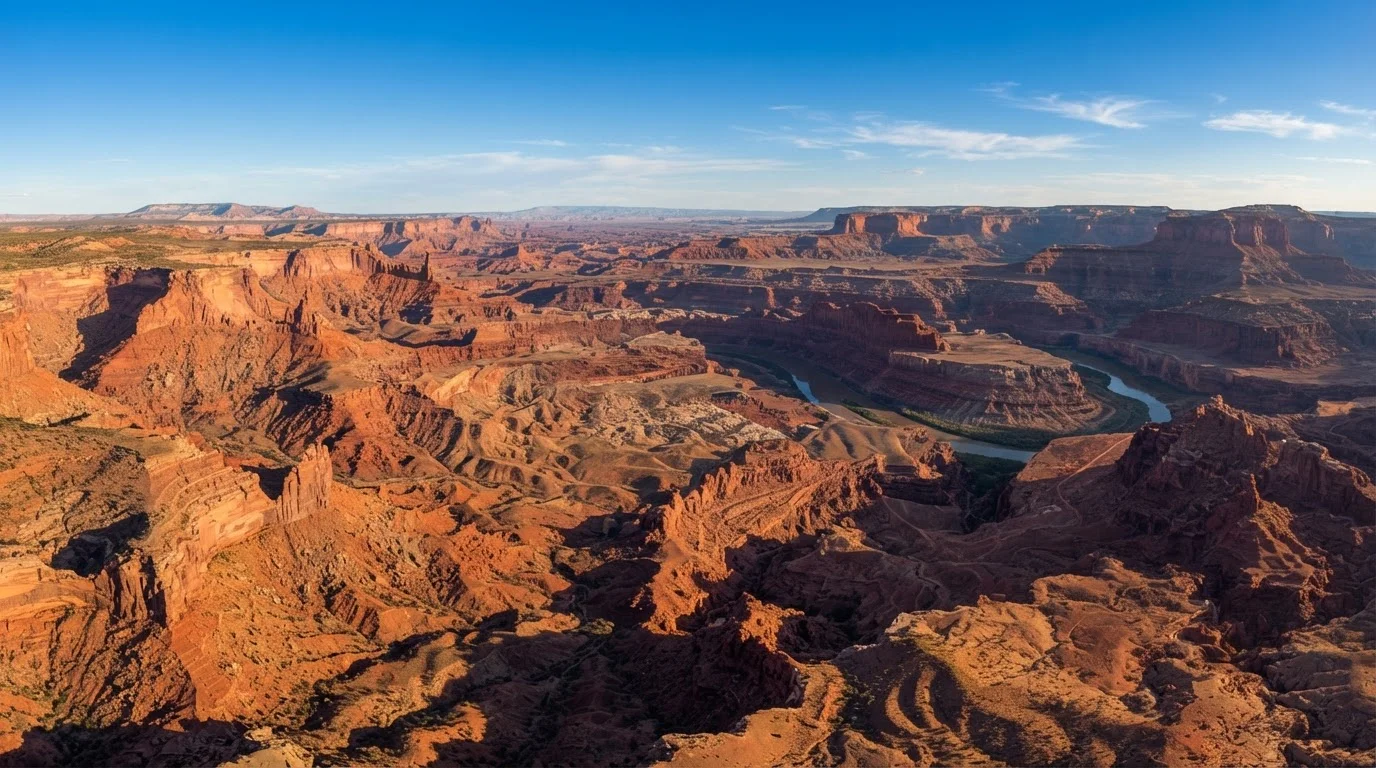
Photo credit: TrendingFaqs.com
In this article
Zion, Bryce Canyon, Arches, the Grand Canyon, and more compared by terrain, crowd levels, physical demands, and what each does best.
Key Takeaways
- Each Southwest park has a distinct character: Zion rewards hikers, Bryce Canyon suits shorter walks, Arches is compact and manageable.
- The Grand Canyon is the largest undertaking and demands the most planning, especially for rim-to-river trips.
- Crowd levels vary significantly by season; spring and fall are generally quieter across all five parks.
- Physical fitness level and available time are the two most useful filters when choosing between these parks.
- Combining two or three parks on one trip is realistic given the proximity of many Southwest parks.
What makes Southwest parks so different from each other
The American Southwest packs five major national parks within roughly 500 miles of each other, yet each one looks and feels nothing like its neighbors. That variety is the reason road-trippers return to the region repeatedly. Zion cuts a deep sandstone canyon where the Virgin River still flows. Bryce Canyon is technically a series of horseshoe-shaped bowls called amphitheaters, filled with hoodoos (tall spires of eroded rock) that glow orange and white. Arches holds more natural stone arches than any other area on Earth. The Grand Canyon is simply the largest land canyon in the United States. Capitol Reef, often overlooked, runs along a 100-mile wrinkle in the Earth's crust called the Waterpocket Fold.
Understanding those basic geological identities helps match the park to the traveler, not just the itinerary.
| Zion | Bryce Canyon | Arches | Grand Canyon | Capitol Reef | |
|---|---|---|---|---|---|
| Primary feature | Sandstone canyon, river | Hoodoo amphitheaters | Stone arches, fins | Massive river canyon | Waterpocket Fold ridge |
| Crowd level | Very high | Moderate | High | Very high | Low |
| Physical demand | Moderate to strenuous | Easy to moderate | Easy to moderate | Strenuous for inner canyon | Easy to strenuous |
| Best season | Spring, fall | Spring, fall, winter | Spring, fall | Spring, fall | Spring, fall |
| Minimum time recommended | 2 days | 1 day | 1 day | 2 to 3 days | 1 to 2 days |
| Permit or reservation needed | Yes (Angels Landing) | No | Timed entry some periods | Backcountry permits | No |
Terrain and physical demands
Zion's most famous routes go into the canyon floor or up sheer sandstone walls. The Narrows involves wading through the Virgin River for miles, and Angels Landing climbs 1,488 feet with chains bolted into the rock face for the final section. Neither is suited to anyone with balance difficulties or a fear of heights. The park now uses a permit lottery for Angels Landing to manage overcrowding.
Bryce Canyon sits at a higher elevation (around 8,000 to 9,000 feet at the rim), which slows people down with altitude. The rim trail is largely flat and paved, making it genuinely accessible to most visitors. Descending into the amphitheaters adds distance and a steep return climb, but the trails are shorter than Zion's canyon routes.
Arches has trails ranging from a 0.3-mile walk to Landscape Arch to the 7.5-mile Fiery Furnace maze. The park is compact enough that a single day covers several major arches without feeling rushed. Heat is the primary hazard in summer; midday temperatures regularly exceed 100 degrees Fahrenheit.
The Grand Canyon requires the most advance planning of all five. Rim-to-river hikes are strenuous, long, and complicated by the fact that most visitors descend first and climb back in full sun. The National Park Service discourages attempting a rim-to-river-and-back hike in a single day on the main corridor trails.
Capitol Reef is the least visited of the five parks. Its trails range from short orchard walks to backcountry routes that see very few people, which appeals to hikers who want solitude over amenity.
Crowd levels and when to go
Zion gets around 4.5 million visitors annually, concentrated in spring and fall. The shuttle system inside the canyon is mandatory in peak season, which removes traffic but not crowds on the trails themselves. Arriving at trailheads before 8 a.m. meaningfully reduces congestion.
Bryce Canyon draws fewer visitors than Zion and offers a genuinely quieter experience outside summer weekends. Winter is an underrated time to visit: snow on the hoodoos produces a striking contrast that many travelers miss entirely by avoiding the cold.
Arches, near Moab, Utah, has grown significantly in popularity. The park now operates a timed entry reservation system during busy periods, so checking current requirements before travel is essential.
The Grand Canyon's South Rim is open year-round and busy almost all year. The North Rim closes in winter due to snow. Shoulder-season visits (April to May, September to October) offer more comfortable temperatures and shorter lines at popular viewpoints.
If the crowds at well-known parks feel like too much, nearby cities like Moab and Kanab provide useful base-camp options, and the region has lesser-known canyon areas that absorb overflow from the main parks.
Combining parks on one trip
The geographic proximity of these parks makes multi-park itineraries genuinely practical. Zion and Bryce Canyon are about 85 miles apart. Arches and Canyonlands (a separate, vast park) sit within 30 miles of each other near Moab. The Grand Canyon is farther south and works best as a dedicated stop rather than a quick add-on.
A common five-day circuit connects Zion, Bryce Canyon, and Arches with overnight stops in St. George or Springdale (near Zion), Tropic or Bryce Town (near Bryce), and Moab (near Arches). Adding Capitol Reef requires an extra day and extends the drive, but the rewards in solitude and scenery make it worth the detour for travelers with the time.
Park entrance fees apply to each park separately unless you hold an America the Beautiful annual pass, which covers admission at all National Park Service sites. Verify current fee and reservation details at the official NPS website before your trip, as requirements change seasonally.
This article is for general informational purposes only. Entry requirements, permit systems, trail conditions, and reservation rules change regularly. Always verify current conditions and requirements directly with the National Park Service before traveling.

Author
Travel Editorial Team
Travel Editorial Team is the collective byline for our editorial team and contributor network. Articles published under this byline or an editorial pen name are researched, written, and reviewed according to our editorial standards for clarity, consistency, and independence before publication.
View all articles →