
Smoke Detectors, Carbon Monoxide Alarms, and the Testing Habits That Actually Matter
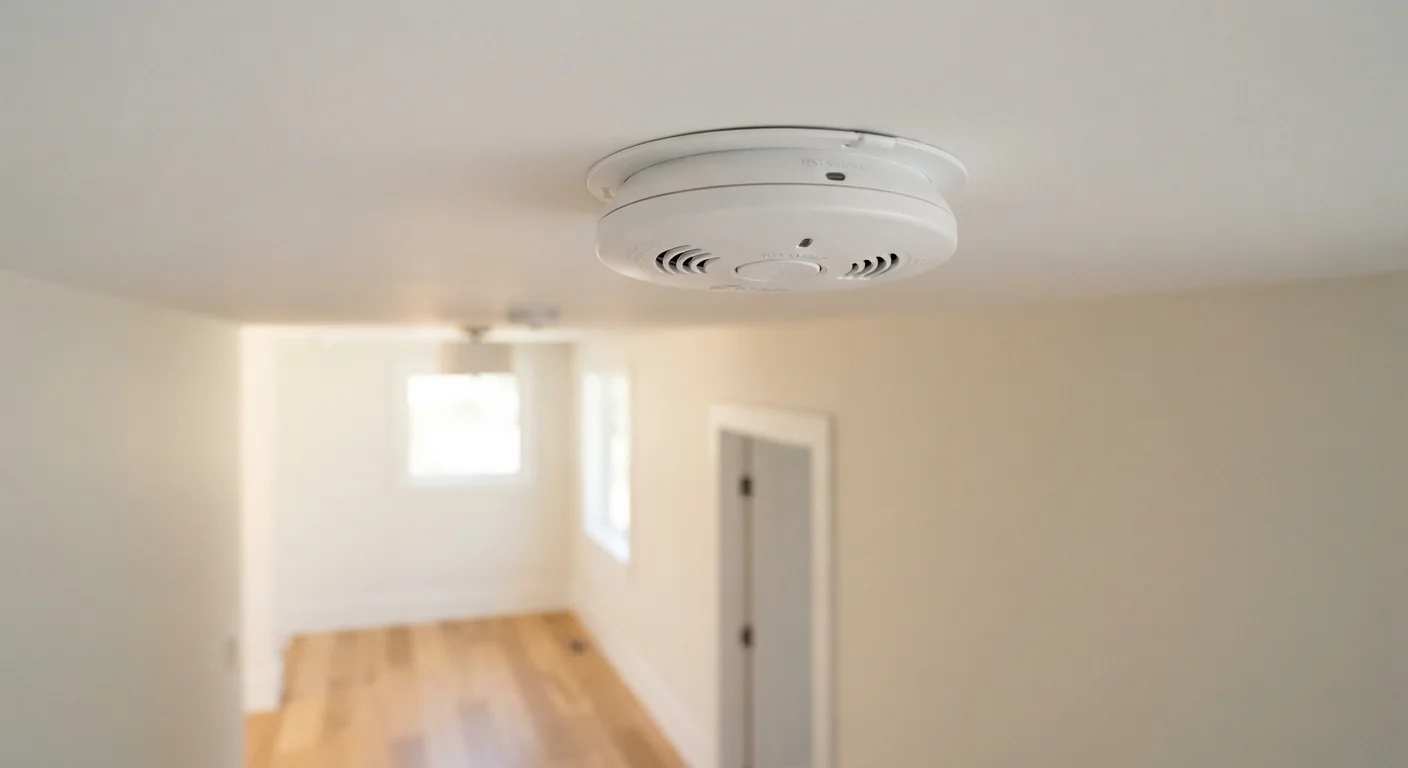
Photo credit: TrendingFaqs.com
In this article
Having detectors installed is not enough. Understand proper placement, testing frequency, battery replacement, and when units should be fully replaced.
Key Takeaways
- Test smoke and carbon monoxide detectors monthly by pressing the test button for several seconds.
- Replace batteries at least once a year, or immediately when a low-battery chirp starts.
- Smoke detectors should be replaced every 10 years; carbon monoxide alarms every 5 to 7 years.
- Placement matters as much as installation: detectors in the wrong spot miss real hazards.
- Interconnected alarms give every household member more time to respond to an alert.
Why having detectors is not the same as being protected
A smoke detector mounted on the wall provides no protection if its battery is dead, its sensor is past its service life, or it is positioned where smoke will not reach it in time. Many households treat installation as the finish line when it is actually just the starting point.
Carbon monoxide (CO) alarms have the same problem. CO is colorless and odorless, so the alarm is the only warning most people will ever get. A unit that is expired, improperly placed, or untested cannot do that job. The habits described below close the gap between having detectors and having detectors that work.
For a broader look at how small, often-overlooked safety components can quietly affect your protection, see our guide on small safety components. The same principle of regular inspection applies at home.
Placement: where detectors go and why it matters
The U.S. Fire Administration recommends placing smoke alarms inside every bedroom, outside each sleeping area, and on every level of the home, including the basement. A single detector in a hallway at one end of the house will not reliably protect bedrooms at the other end.
For carbon monoxide alarms, install one on each level of the home and within 10 feet of every sleeping area. CO is roughly the same weight as air, so it disperses fairly evenly, but proximity to sleeping occupants gives the alarm time to wake people before exposure becomes dangerous.
A few placement rules to follow:
- Keep smoke detectors at least 10 feet from cooking appliances to reduce false alarms without sacrificing coverage.
- Do not install detectors inside garages, in very humid bathrooms, or near air vents that could blow smoke or CO away from the sensor.
- Mount smoke detectors on ceilings or high on walls, since smoke rises. CO alarms can go at a lower height because CO disperses more evenly.
A room-by-room sensory audit can help you identify spots in your home where coverage may have gaps.
Testing and battery replacement
Test every smoke and CO detector in your home once a month.
Sensors and batteries can fail without any visible sign. Monthly testing confirms that each unit will actually respond when needed, rather than discovering a dead detector during an emergency.
Replace batteries on a fixed annual schedule, not only when chirping starts.
Waiting for the low-battery chirp means the battery has already reached a critically low level. Replacing on a schedule avoids any gap in protection.
Check the manufacture date on the back of each unit and retire overaged devices.
A detector past its service life may not respond to smoke or CO even with a fresh battery. The manufacture date, not the installation date, determines when replacement is due.
Position detectors according to current placement guidelines, not just convenience.
A detector in the wrong location may never sense a hazard in time. Placement directly affects how much warning time occupants have.
Use interconnected alarms so a single trigger sounds every unit in the home.
A single alarm in one part of the house may not wake sleeping occupants in another area. Interconnection removes that gap entirely.
Testing once a month takes about 30 seconds per unit. Press and hold the test button until you hear the alarm sound. If it does not respond, or the sound is weak, replace the battery immediately and test again. A chirping alarm (rather than a full alert) almost always means low battery.
For households using 9-volt batteries, replacing them once a year is a reasonable floor. Many people tie this to a recurring date, such as when clocks change for daylight saving time. Sealed, long-life lithium batteries are used in some newer models and may last the life of the unit, but you still need to test monthly because a battery that tests full can still fail to deliver power during an actual alarm.
If a detector repeatedly chirps after a fresh battery is installed, the unit itself may be near the end of its life. Consistent maintenance habits catch these moments before a device fails entirely.
When to replace the unit entirely
Detectors do not last forever. The electrochemical sensors inside them degrade over time, which means an old unit may not trigger even when it should.
General replacement guidelines from the National Fire Protection Association (NFPA):
- Smoke detectors: replace every 10 years from the manufacture date (printed on the back of the unit).
- Carbon monoxide alarms: replace every 5 to 7 years, depending on the manufacturer's specification printed on the device.
Check the manufacture date on every detector in your home. Many households discover they have units that are well past these thresholds. An alarm that looks fine on the outside may have a sensor that no longer functions reliably.
Smart smoke and CO detectors can send alerts to your phone and run self-diagnostics, but they follow the same replacement timelines. If you are setting up or revisiting your smart home devices, the common setup mistakes new smart home owners make include skipping these kinds of maintenance windows.
Interconnected alarms and a simple household routine
Interconnected alarms, whether wired or wireless, trigger every unit in the home when one detects smoke or CO. This matters most in larger homes or when bedrooms are far from a kitchen or utility room. If one alarm goes off at 2 a.m. at the far end of the house, interconnected units sound everywhere.
Building a simple maintenance schedule is the most reliable way to keep all of this consistent. Write the manufacture date and the last test date on a small label on each unit, or track them in a home maintenance log. Set a repeating calendar reminder for monthly tests.
Tying detector maintenance into a broader home safety review keeps it from falling through the cracks. The Comfortable Living hub has additional guidance on creating a home environment that is both safe and well-organized.

Author
Home Editorial Team
Home Editorial Team is the collective byline for our editorial team and contributor network. Articles published under this byline or an editorial pen name are researched, written, and reviewed according to our editorial standards for clarity, consistency, and independence before publication.
View all articles →