
Mold in the Home: What It Is, Where It Grows, and How Ventilation Helps
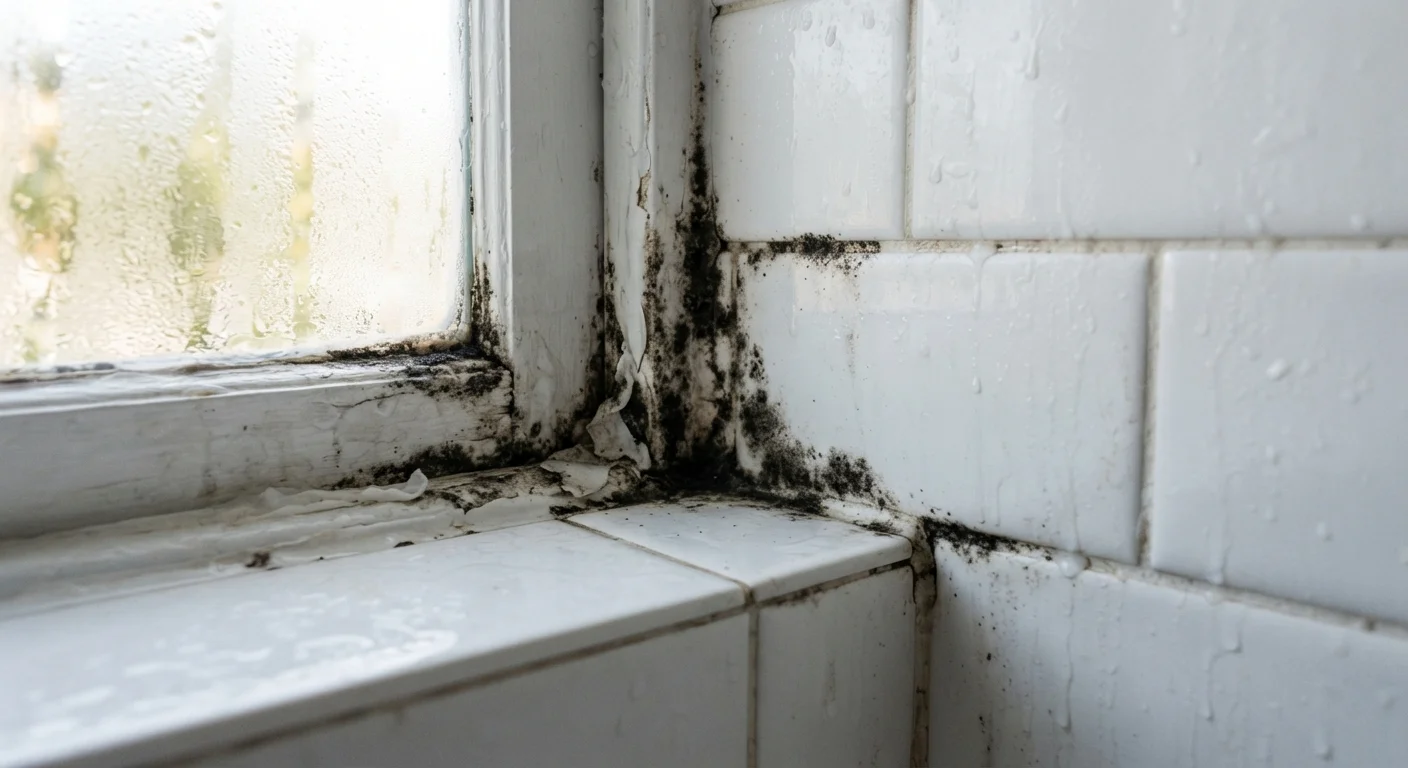
Photo credit: TrendingFaqs.com
In this article
Mold is not just a cosmetic issue. Learn what conditions allow it to grow, where it hides, and why airflow is one of the most effective preventive tools.
Key Takeaways
- Mold requires moisture above all other conditions; controlling humidity stops most growth before it starts.
- Common hiding spots include behind drywall, under bathroom caulk, inside HVAC ducts, and below kitchen sinks.
- Ventilation lowers moisture in the air and on surfaces, making it one of the most effective preventive tools.
- Visible mold on porous materials like drywall or insulation generally requires professional remediation.
- Indoor humidity between 30 and 50 percent keeps most mold from taking hold.
What mold actually is and why it grows indoors
Mold is not a plant, bacterium, or hazardous chemical. It is a fungus, part of a large biological kingdom that includes mushrooms and yeast. Indoors, the species most commonly found in homes include Cladosporium, Penicillium, Aspergillus, and Stachybotrys chartarum (often called black mold). Each thrives under slightly different conditions, but all of them follow the same basic requirement: sustained moisture.
Mold spores travel through the air constantly. They enter homes through open windows, on clothing, on pets, and through HVAC systems. Their presence alone is not the problem. The problem begins when spores land on a damp surface and find enough moisture to germinate. Organic materials like wood, paper, drywall paper facing, and fabric give mold something to digest. A temperature range between roughly 40 and 100 degrees Fahrenheit covers most of a home's living spaces year-round, so temperature rarely stops mold on its own.
Moisture is the variable a homeowner can actually control. That moisture comes from several sources: plumbing leaks, condensation on cold surfaces, high indoor humidity, roof leaks, and flooding. Even everyday activities like cooking, showering, and drying laundry indoors add water vapor to the air that can settle on cooler surfaces.
Where mold hides in a typical home
Mold does not always announce itself with visible black patches. In many homes, it grows in locations where moisture accumulates out of sight.
- Bathrooms: Grout lines, caulk around tubs and showers, and the underside of bath mats stay wet long after use. Ceiling corners above showers are especially susceptible when ventilation is poor.
- Kitchens: The area under the sink is a frequent site because slow pipe drips go unnoticed for weeks. The back wall behind the refrigerator, where a condensation line can leak, is another common location.
- Basements and crawl spaces: Ground moisture migrates through concrete and block foundations. Without vapor barriers and adequate airflow, these areas can sustain mold growth on framing lumber and insulation for extended periods.
- HVAC systems: Drip pans, drain lines, and duct interiors can harbor mold, which then distributes spores throughout the home every time the system runs.
- Behind drywall: A slow roof leak or a pipe inside a wall may feed mold growth for months before any staining appears on the surface. By that point, the paper facing and framing behind the drywall can be substantially colonized.
Because mold grows where it is not seen, a musty smell in a particular room is worth investigating even when no discoloration is visible. Drywall damage from leaks or moisture intrusion is often a sign that mold may already be present behind the surface.
How ventilation reduces the conditions mold needs
Check your exhaust fan rating
Bathroom exhaust fans are rated in cubic feet per minute (CFM). A general rule is 1 CFM per square foot of bathroom floor area. A fan that is undersized for the room will not clear humidity effectively even if it runs correctly. Check the fan's label or look up its model number to confirm it is rated for your bathroom's size.
Ventilation works by moving moist air out of a space before it can condense on surfaces. When warm, humid air from a shower or cooking session has nowhere to go, it migrates to the coolest nearby surface, typically a window frame, an exterior wall, or a ceiling corner, and deposits moisture there. Repeated condensation in those spots creates exactly the sustained dampness mold needs.
Exhaust fans in bathrooms and range hoods in kitchens are the most direct tools. A bathroom exhaust fan rated for the room's square footage, and used for at least 15 to 20 minutes after showering, can substantially reduce residual humidity. A range hood vented to the exterior (not recirculating) removes steam and cooking moisture at the source.
Whole-house ventilation matters too. Attic ventilation, for example, prevents hot, moist summer air from getting trapped above insulation where it can condense on roof sheathing. Crawl space vents or mechanical crawl space dehumidifiers address a similar issue at the foundation level.
Opening windows when outdoor humidity is lower than indoor humidity provides passive ventilation at low cost. A simple indoor hygrometer, a device that measures relative humidity, takes the guesswork out of when to ventilate. Keeping indoor relative humidity between 30 and 50 percent removes the primary condition mold depends on. See how indoor humidity affects your home for a closer look at managing moisture across different seasons.
Ventilation improvements also connect to broader indoor air quality, since lower airborne mold spore counts contribute to a healthier and more comfortable living environment overall.
What to do when mold is already present
When mold is found, the first step is identifying and stopping the moisture source. Cleaning visible mold without fixing what fed it will result in regrowth, often within weeks.
Small mold patches on non-porous surfaces, such as tile, glass, or metal, can generally be addressed by a homeowner using appropriate cleaning solutions and personal protective equipment (gloves, an N95 respirator, and eye protection). Follow product label directions and ensure the area is well-ventilated during cleaning.
Porous materials that are visibly moldy, including drywall, insulation, carpet, and ceiling tiles, typically cannot be cleaned effectively. The material usually needs to be removed and replaced. For any mold covering more than 10 square feet, the U.S. Environmental Protection Agency recommends hiring a professional remediation contractor. Larger infestations, or any situation involving HVAC contamination or mold from sewage-contaminated water, should always go to a licensed professional.
After remediation, the moisture control measures described above are what prevent recurrence. Mold does not return to a dry, well-ventilated surface.
This article is for general informational purposes only. It is not a substitute for advice from a licensed home inspector, certified mold remediation professional, or qualified healthcare provider. If you have health concerns related to mold exposure, consult a healthcare professional.
Frequently Asked Questions

Author
Home Editorial Team
Home Editorial Team is the collective byline for our editorial team and contributor network. Articles published under this byline or an editorial pen name are researched, written, and reviewed according to our editorial standards for clarity, consistency, and independence before publication.
View all articles →