
Why Your Check Engine Light Comes On and What to Do Next
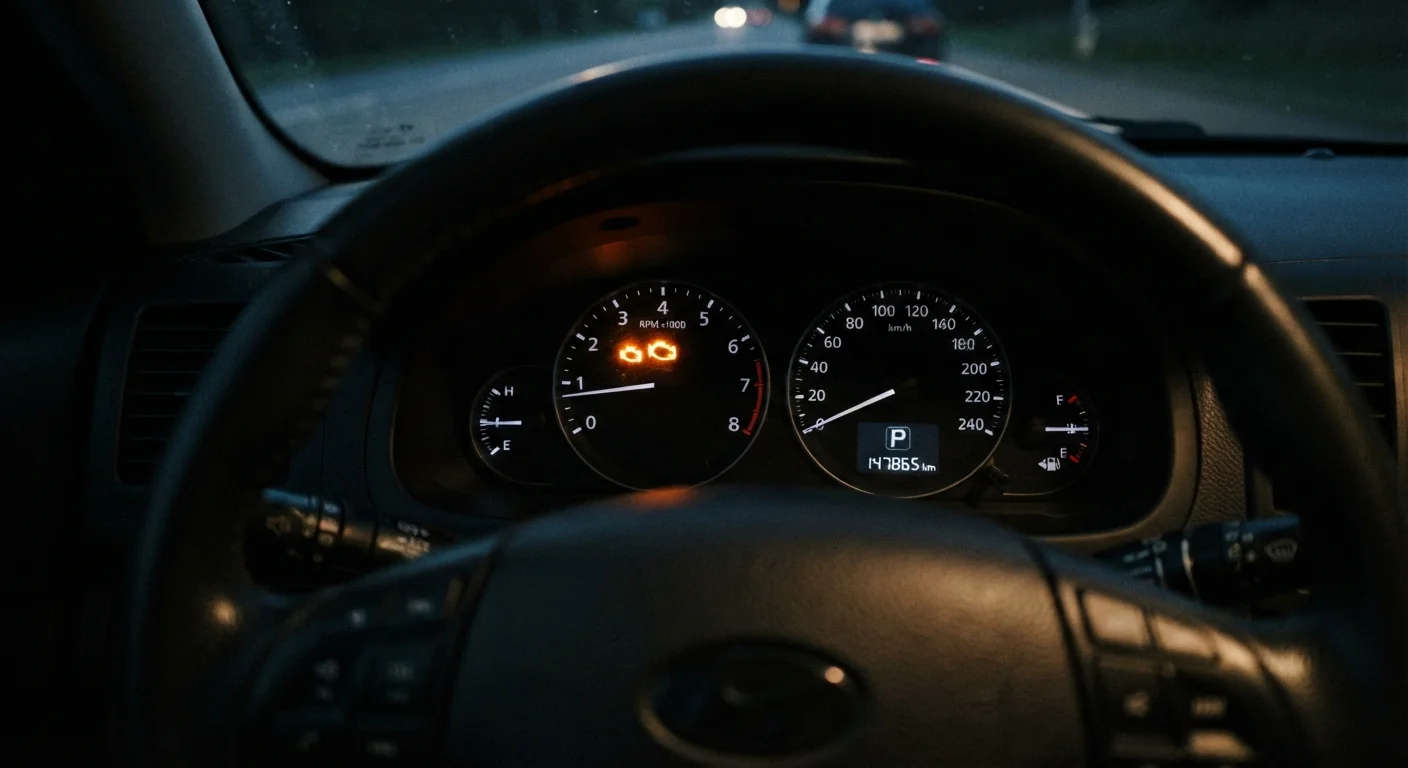
Photo credit: TrendingFaqs.com
In this article
The check engine light triggers anxiety in most drivers. Here is what it actually signals, when it is urgent, and how to respond safely.
Key Takeaways
- A steady check engine light signals a problem that needs attention soon but is not usually an immediate emergency.
- A flashing check engine light points to a more serious issue, often a misfiring engine, and warrants stopping driving as soon as safely possible.
- A loose or missing gas cap is one of the most common and easiest-to-fix triggers.
- A scan tool or free code-reading service can identify the specific fault code before you visit a mechanic.
- Ignoring the light over time can turn a minor, inexpensive fix into a more costly repair.
What the check engine light is actually telling you
Your car's OBD-II system monitors dozens of sensors across the engine, transmission, fuel system, and emissions components. When any reading falls outside an acceptable range, the system logs a diagnostic trouble code and lights up the indicator on your dash. One light can represent hundreds of different conditions, which is why the light itself cannot tell you whether the issue is minor or major.
There are two distinct states to know. A steady light means a fault has been detected, but the engine is not in immediate danger. You have time to schedule a diagnosis within the next few days. A flashing light means an active misfire or another severe fault is occurring right now. In that case, reduce your speed, avoid aggressive driving, and get the vehicle checked as soon as possible to avoid costly damage to the catalytic converter or other components.
For a broader look at what other warning indicators mean, see what dashboard warning lights actually mean.
Common reasons the light comes on
Most check engine light triggers fall into a handful of categories:
- Loose or faulty gas cap: This is the single most common cause. The evaporative emissions system seals the fuel tank, and any leak sets off a code. Check the cap first before assuming anything more serious.
- Oxygen sensor failure: Oxygen sensors measure exhaust gases to help the engine control fuel delivery. A worn sensor causes poor fuel economy and can eventually damage the catalytic converter.
- Catalytic converter degradation: The catalytic converter reduces harmful exhaust emissions. It often fails because of a neglected oxygen sensor or repeated engine misfires.
- Mass airflow sensor issues: This sensor measures how much air enters the engine. A dirty or failing sensor leads to rough idling, poor acceleration, and reduced fuel economy.
- Spark plug or ignition coil problems: Worn spark plugs or a failing ignition coil cause misfires, which is also one of the main reasons a check engine light flashes rather than glows steadily.
- Evaporative emissions leaks: Beyond the gas cap, small cracks in fuel vapor hoses or a faulty purge valve can trigger an EVAP code without any drivability symptom at all.
~40%
Check engine issues tied to oxygen sensors or catalytic converters
Automotive service data consistently shows oxygen sensor faults and catalytic converter codes among the most frequently diagnosed check engine triggers in the United States.
1996
Year OBD-II became mandatory in U.S. vehicles
The EPA required all passenger cars and light trucks sold in the U.S. from the 1996 model year onward to include a standardized OBD-II diagnostic system.
How to respond when the light comes on
First, check for any other warning lights. If you also see a temperature or oil pressure warning, pull over safely and turn off the engine. Those signals indicate conditions that can cause serious engine damage within minutes.
If only the check engine light is on and it is steady, note any changes in how the car feels: unusual sounds, rough idling, hesitation when accelerating, or a drop in fuel economy. Those observations help a technician narrow down the problem.
Get the fault code read. Many auto parts retailers offer free OBD-II scans. The code will look something like P0420 (catalytic converter efficiency below threshold) or P0440 (evaporative emission system malfunction). That code is a starting point, not a complete diagnosis, but it tells you which system to focus on.
Once you know the code, you can decide how quickly to act. Emissions-related codes with no drivability symptoms are usually not urgent for a day or two. Misfire codes or anything affecting engine oil or coolant warrants faster attention.
Write down the code before you leave the store
When an auto parts retailer reads your code for free, ask them to print it or write it down for you. The code number helps you research the issue and gives your mechanic useful information before the appointment. Some stores clear the code after reading it, which can make diagnosis harder at the shop.
Keeping up with scheduled maintenance reduces how often the check engine light appears in the first place. For guidance on which services matter most when money is tight, see car maintenance budget priorities.
When to go straight to a mechanic
Some situations call for skipping the parts store and going directly to a repair shop:
- The check engine light is flashing rather than steady.
- You notice a significant change in how the car drives: loss of power, rough running, or stalling.
- Other warning lights are on at the same time, particularly oil pressure or coolant temperature.
- You smell burning, fuel, or anything unusual coming from the engine bay.
A mechanic can perform live data readings and additional tests that a simple code reader cannot. The stored code points to a system; a trained technician figures out why that system failed and what part actually needs replacement. Skipping that step and replacing parts based on the code alone often wastes money.
This article is for general informational purposes. Always consult a qualified mechanic for diagnosis and repair decisions specific to your vehicle.
Frequently Asked Questions

Author
Cars Editorial Team
Cars Editorial Team is the collective byline for our editorial team and contributor network. Articles published under this byline or an editorial pen name are researched, written, and reviewed according to our editorial standards for clarity, consistency, and independence before publication.
View all articles →