
What a Visa Actually Is and How the Application Process Works
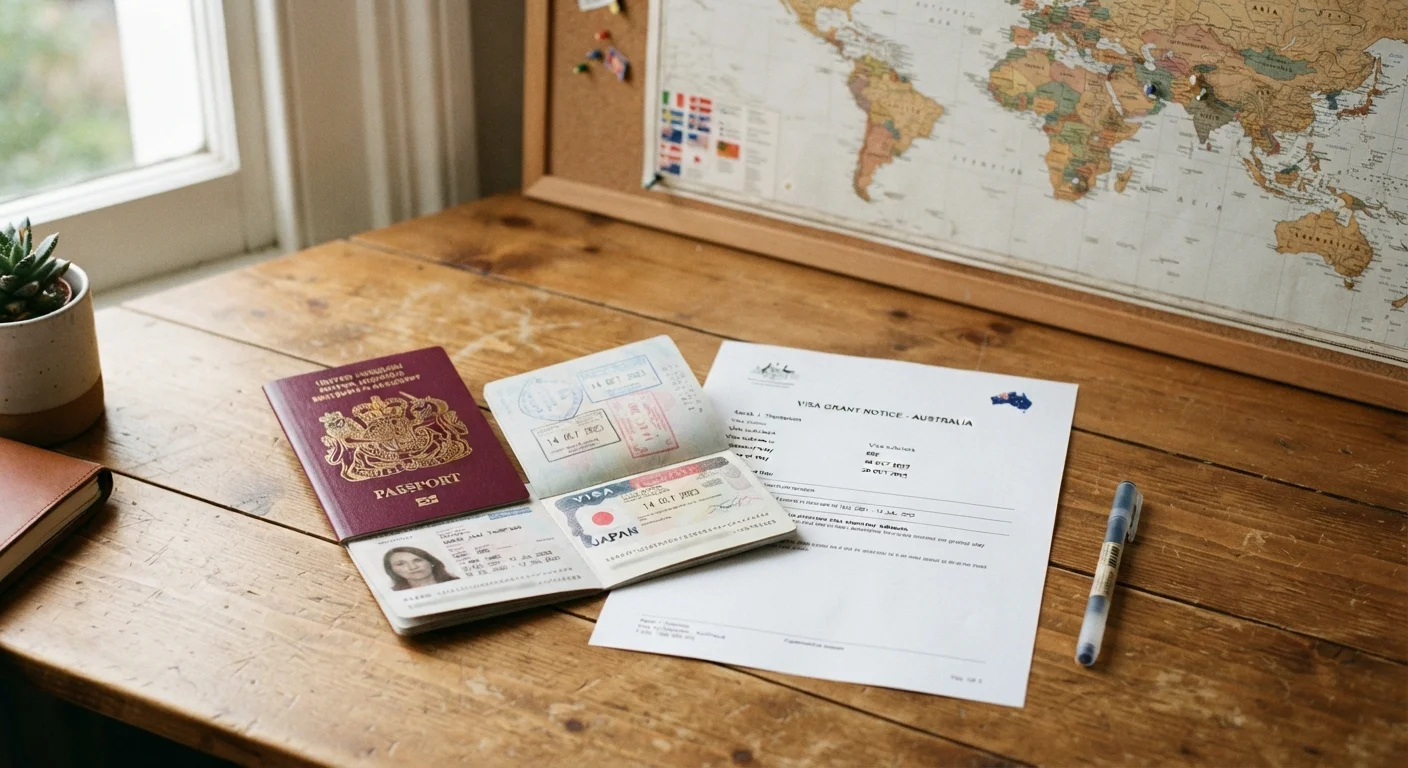
Photo credit: TrendingFaqs.com
In this article
Visas confuse a lot of first-time international travelers. This explainer breaks down visa types, how to apply, and what to expect. Verify requirements officially.
Key Takeaways
- A visa is a pre-approved authorization to seek entry, not a guarantee of admission.
- Visa requirements depend on your citizenship and the destination country's agreements with the U.S.
- Common visa types include tourist, student, work, and transit visas.
- Applications typically require a valid passport, a completed form, photos, fees, and supporting documents.
- Always verify current requirements through the destination country's official embassy or consulate website.
The basics: what a visa does and does not do
A visa tells a foreign government that your application has been reviewed and that you are permitted to attempt entry for a defined purpose. It does not lock in your admission. When you arrive at the border or airport, an immigration officer independently decides whether to let you in, based on the visa you hold plus whatever they observe at that moment.
Visas typically appear as a physical stamp or sticker inside your passport, though a growing number of countries issue electronic travel authorizations that serve a similar function. Either way, the document will state the visa category, the dates during which you may enter, how long you can stay per visit, and how many entries are permitted (single, double, or multiple).
One common misconception is that a visa alone is sufficient. In practice, border officers can still turn travelers away if they lack supporting evidence of onward travel, accommodation, or sufficient funds. See our guide to common entry requirement mistakes to understand what else can go wrong even with a valid visa in hand.
Main visa categories you are likely to encounter
Countries organize visas by purpose of travel. The categories below cover the situations most relevant to everyday American travelers.
- Tourist or visitor visa: For leisure travel, visiting family, or short-term stays. These are typically the most straightforward to obtain and have the shortest validity periods.
- Business visa: For attending meetings, conferences, or negotiations, but generally not for taking on local employment.
- Student visa: Required when enrolling in a foreign educational institution. These usually require an acceptance letter and proof of financial support.
- Work visa: Tied to a specific employer or job offer in many countries. Requirements vary widely and the process tends to be more involved than tourist visas.
- Transit visa: Some countries require one even if you are only passing through their airport. This catches travelers off guard more than almost any other category.
Check transit visa rules for every stopover
Even if you are not leaving the airport, some countries require a transit visa for certain passport holders. Look up each country where your itinerary includes a layover, not just your final destination. Airlines may deny boarding if you lack a required transit visa.
How the application process works, step by step
The process differs by country, but the general sequence is consistent across most destinations.
1. Confirm whether you need a visa
Start at the embassy or consulate website of your destination country. Cross-reference with the U.S. Department of State's country information pages. Do not rely on travel blogs or third-party aggregators for final confirmation, since these can be outdated.
2. Gather required documents
Standard requirements include a passport valid for at least six months beyond your travel dates, a completed application form, passport-size photographs meeting the country's exact specifications, proof of travel plans (flight itineraries, hotel bookings), financial statements, and the visa fee. Some countries also ask for travel insurance documentation or an invitation letter.
3. Submit your application
Many countries now accept online applications through their official portals. Others require in-person appointments at a consulate or at a designated visa application center. A few still only process applications by mail.
4. Wait for processing
Processing times vary from two business days for some e-visas to several months for complex applications. Check the official timeline for your specific country and visa type, and build a buffer into your travel schedule.
5. Receive and review your visa
Once approved, check every detail carefully: spelling of your name, dates, number of entries, and permitted length of stay. Errors should be corrected before you travel, since a mistake on the visa can cause problems at the border.
186
Countries accessible to U.S. passport holders
According to the Henley Passport Index, U.S. passport holders can access around 186 destinations visa-free or with visa-on-arrival, though this figure changes as agreements are updated.
6 months
Minimum passport validity many countries require
A large number of countries require your passport to remain valid for at least six months beyond your intended stay, a rule that catches many travelers off guard.
Costs, timelines, and what can go wrong
Visa fees range from nothing to several hundred dollars depending on the country and category. Some countries charge reciprocity fees that mirror what the U.S. charges their own citizens, so costs are not always predictable from one destination to the next.
Applications get rejected for reasons including incomplete forms, photos that do not meet specifications, insufficient bank balance, and inconsistencies between stated purpose and supporting documents. If an application is denied, the country will typically provide a reason, and many allow reapplication with corrected materials.
One practical point worth knowing: applying through unofficial third-party services is common but unnecessary for most destinations, and it adds cost without adding protection. The official embassy or visa application center process is the authoritative route.
Entry requirements, including visa rules, can change with little notice due to political shifts or bilateral negotiations. Verify requirements as close to your departure date as is practical, not just when you first book the trip.
Frequently Asked Questions

Author
Travel Editorial Team
Travel Editorial Team is the collective byline for our editorial team and contributor network. Articles published under this byline or an editorial pen name are researched, written, and reviewed according to our editorial standards for clarity, consistency, and independence before publication.
View all articles →