
Costa Rica vs. Panama: Which Central American Destination Suits Your Trip
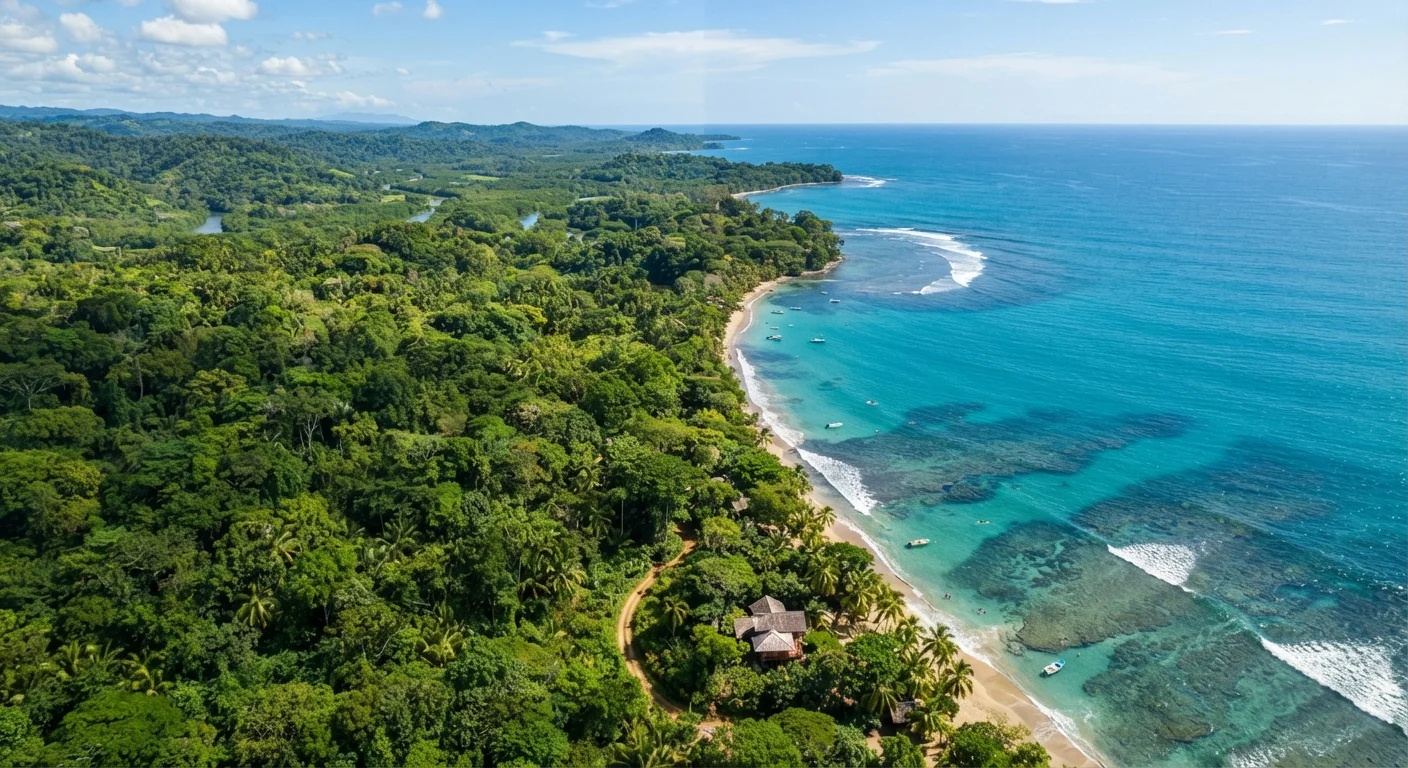
Photo credit: TrendingFaqs.com
In this article
A side-by-side look at Costa Rica and Panama covering wildlife, beaches, infrastructure, cost of travel, and what each country does differently.
Key Takeaways
- Costa Rica has more developed ecotourism infrastructure, making wildlife experiences easier to access for first-time visitors.
- Panama City gives Panama a distinct urban anchor that Costa Rica's capital, San Jose, does not match in cultural draw.
- Panama is generally less expensive than Costa Rica for accommodation, food, and tours.
- Both countries use the US dollar, making budget planning straightforward for American travelers.
- Costa Rica's rainy season varies by region, while Panama's Pacific and Caribbean coasts have opposite dry seasons.
- Neither country requires a visa for most US citizens staying under 90 days, though entry rules can change.
Wildlife and nature: depth vs. variety
Costa Rica sits on roughly 0.03 percent of Earth's surface but contains an estimated 5 percent of the world's biodiversity. That figure comes from Costa Rican government and academic sources and reflects decades of conservation investment. The result is a country where national parks cover about 25 percent of the land, and where finding sloths, scarlet macaws, or poison dart frogs is a reasonably predictable experience in the right park at the right time of year.
Panama is also biologically rich, but its nature tourism network is less developed. The Darien region holds one of the most intact stretches of lowland rainforest in the Western Hemisphere, yet it is remote, requires guided entry, and carries genuine safety considerations that travelers should research through official sources before planning a visit. More accessible options include Soberania National Park near Panama City, which sits along one of the world's top birding routes, and the cloud forests around Boquete in the western highlands, a known habitat for the resplendent quetzal.
The practical difference is setup time. In Costa Rica, a week-long itinerary that hits two or three distinct ecosystems is easy to plan because the tour infrastructure already connects the dots. In Panama, a similar nature-focused trip takes more independent research, but the reward is often far fewer other tourists at the site.
| Criterion | Costa Rica | Panama |
|---|---|---|
| National park coverage | ~25% of land area protected | ~38% protected, less accessible |
| Average travel cost | Higher, ecotourism premium | Lower across most categories |
| Currency | US dollar (colon also used) | US dollar (balboa tied 1:1) |
| Capital city draw | San Jose, limited tourist appeal | Panama City, strong cultural draw |
| Wildlife tour infrastructure | Extensive, well-organized | Good near the city, limited elsewhere |
| Beach variety | Two coasts, developed options | Two coasts, quieter and less commercial |
| Crowd levels at top sites | High at popular parks and beaches | Lower at most destinations |
| Domestic transport | Car rental common, roads vary | Domestic flights cheap, highway solid |
Beaches: Pacific vs. Caribbean, and what each country offers
Both countries have Pacific and Caribbean coastlines, and the character of each coast differs sharply. Costa Rica's Pacific side, including areas around the Nicoya Peninsula and the Osa Peninsula, has consistent surf, dramatic headlands, and a well-developed range of beach towns. The Caribbean coast around Puerto Viejo has a distinctly different feel: calmer water, Afro-Caribbean cultural influence, and jungle that comes almost to the waterline.
Panama's Pacific beaches near Coronado and Santa Clara are popular with Panamanians but see relatively few international tourists. The Azuero Peninsula has remote stretches that take effort to reach. The Caribbean side, particularly Bocas del Toro, is the country's most internationally recognized beach destination. The archipelago has shallow, warm water, coral reef snorkeling, and a laid-back scene that draws long-term visitors and surfers. The Pearl Islands in the Pacific, a short flight from Panama City, are another option that most travelers skip entirely.
Costa Rica's beach towns are more polished, with more accommodation choices at multiple price points. Panama's less-visited beaches require more planning but are quieter and, in some areas, visually striking without the foot traffic.
Cost of travel and logistics
Costa Rica is one of the more expensive countries in Central America. A mid-range hotel in a popular tourist area can run $100 to $200 per night, organized nature tours add up quickly, and restaurant prices in tourist zones are comparable to mid-tier US cities. The country's popularity has pushed prices up over the past decade.
Panama is cheaper across most categories. Budget and mid-range accommodation in Panama City and at beach destinations typically cost less than comparable lodging in Costa Rica. Street food and local restaurants are affordable, and domestic flights between Panama City and Bocas del Toro or David (gateway to Boquete) are inexpensive compared to renting a car and driving in Costa Rica.
Both countries use the US dollar, which removes currency exchange friction for American travelers. International flight access also differs: Costa Rica's main airport in San Jose and its secondary airport in Liberia both have direct US routes. Panama's Tocumen International Airport is a regional hub with extensive connections, and some travelers find cheaper fares to Panama City as a result.
Road quality varies in both countries. Costa Rica's roads outside the Central Valley can be rough and require a 4WD vehicle in certain areas. Panama's Pan-American Highway is well maintained, but secondary roads to beach destinations can be challenging in wet season.
Entry requirements, visa rules, and safety conditions change. Verify current details through the US Department of State and official embassy sources before booking.
Culture, cities, and what you do when it rains
Panama City is one of the more unusual capital cities in the region. The Casco Viejo historic district, a UNESCO World Heritage Site, sits within walking distance of a modern skyline, and the Panama Canal is a functioning engineering landmark that you can watch ships transit from a visitor center. The city has a working food scene, a real museum circuit, and a cosmopolitan character shaped by its position as a global trade hub.
San Jose, Costa Rica's capital, is less of a destination in its own right. Most travelers pass through it on the way to parks or beaches. The city has museums worth a half day, including the Pre-Columbian Gold Museum, and a few good neighborhoods for dining, but it rarely becomes a focal point of a trip.
When weather grounds outdoor plans, Panama City gives you more to do indoors. In Costa Rica, a rainy day in a remote national park area means you are largely waiting it out at the lodge. That is not a criticism of Costa Rica, but it is a real logistical difference worth factoring into trip length and timing.
Both countries have strong craft and artisan traditions. Panamanian molas, textiles made by the Guna Yala people, are among the most recognized indigenous art forms in the Americas. Costa Rican handmade wooden goods and ceramics are similarly well-regarded. Neither country has a shortage of cultural texture; it just shows up differently depending on where you go.

Author
Travel Editorial Team
Travel Editorial Team is the collective byline for our editorial team and contributor network. Articles published under this byline or an editorial pen name are researched, written, and reviewed according to our editorial standards for clarity, consistency, and independence before publication.
View all articles →