
Water Heater Care: Extending the Life of a Heavily Used Appliance
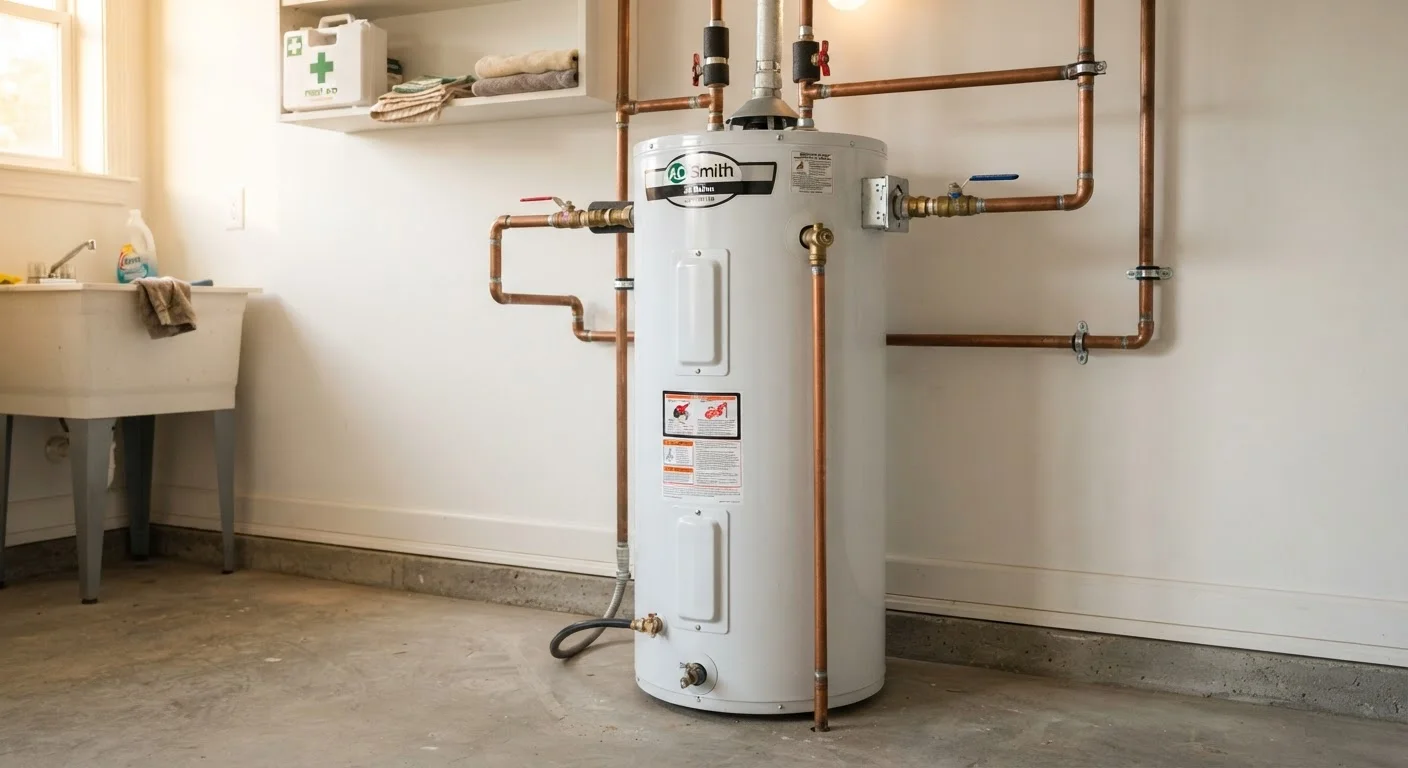
Photo credit: TrendingFaqs.com
In this article
Regular flushing, anode rod checks, and temperature settings can meaningfully extend your water heater's useful life. Here is what to know.
Key Takeaways
- Flushing sediment from the tank once a year prevents efficiency loss and corrosion.
- The anode rod is the tank's main corrosion barrier and needs inspection every two to three years.
- Setting the thermostat to 120 degrees Fahrenheit reduces strain on the tank and lowers scalding risk.
- Insulating the first few feet of hot and cold supply pipes cuts standby heat loss.
- Most water heaters last 8 to 12 years; catching problems early avoids emergency replacements.
Why routine maintenance matters
A water heater runs every single day, often unnoticed, until it stops working. Minerals in tap water settle at the bottom of the tank over time, forming a layer of sediment that forces the burner or heating element to work harder. That extra strain shortens the appliance's life and raises energy costs. A few hours of attention each year can prevent the most common failure modes and put off a costly replacement.
Tank-style water heaters, both gas and electric, share the same core maintenance needs: sediment flushing, anode rod inspection, temperature checks, and pressure relief valve testing. Tankless models require their own descaling process, but the principle is the same: mineral buildup is the main enemy.
Gas vs. electric: same maintenance, different cautions
Gas and electric tank water heaters share the same flushing, anode rod, and T&P valve maintenance needs. The difference is that gas units have additional components: the flue, the thermocouple, and the gas valve. If a gas heater's pilot light goes out repeatedly or the burner flame is yellow rather than blue, contact a licensed technician. Do not attempt to adjust gas components yourself.
Flushing sediment from the tank
Sediment accumulates faster in areas with hard water, but it forms in every tank over time. The signs are a rumbling or popping sound when the heater is running, slightly discolored hot water, or noticeably longer recovery times after heavy use.
To flush the tank, turn the thermostat to the lowest setting or switch the unit off, then shut off the cold water supply valve. Connect a garden hose to the drain valve near the base of the tank and run the hose to a floor drain or outside. Open a hot water faucet in the house to let air in, then open the drain valve. Let the tank drain fully, or until the water runs clear. Close the valve, remove the hose, restore cold water supply, and turn the heater back on.
Do this once a year. If the drain valve drips after you close it, replacing it is a straightforward fix that prevents a slow leak from going unnoticed.
Checking and replacing the anode rod
The anode rod is a metal rod, usually made of magnesium or aluminum, suspended inside the tank. It corrodes deliberately so the tank lining does not. Once the rod is consumed, the tank steel is exposed and rust follows quickly.
To inspect it, shut off the cold water supply and relieve pressure by opening a hot water faucet. The rod is typically threaded into the top of the tank or under the sheet metal cap, and requires a 1 1/16-inch socket. If more than six inches of the core wire is bare, or the rod is less than about a half-inch thick, replace it. A new rod generally costs $20 to $40 at a hardware store and takes less than 30 minutes to swap out.
Check the rod every two to three years. In households with water softeners, check it annually: softened water accelerates rod depletion.
Flush the tank fully once a year, not just drain briefly.
A partial drain leaves the densest sediment at the bottom. A complete flush removes the layer that insulates the burner and accelerates corrosion from below.
Replace the anode rod before it is fully depleted.
Waiting until the rod is gone means the tank itself has already started corroding from the inside. Replacing it proactively is far cheaper than a new tank.
Test the T&P relief valve annually.
A stuck or failed relief valve cannot protect the tank from dangerous overpressure. Testing it once a year confirms it functions and identifies early degradation.
Keep the area around the heater clear.
Combustion air around a gas water heater must flow freely. Stored materials near the unit can also hide early leaks until significant damage has occurred.
Record maintenance dates and the tank's installation date.
Most homeowners do not know how old their water heater is, which makes it harder to judge repair-versus-replace decisions. The serial number on the label encodes the manufacture date on most brands.
Temperature, pressure, and insulation
The factory default temperature on many water heaters is 140 degrees Fahrenheit. For most households, 120 degrees is sufficient for daily use, reduces mineral scaling inside the tank, and lowers the risk of scalding. Households with immune-compromised members or those using a dishwasher without a booster heater may have reason to keep it higher; consult the dishwasher manufacturer's guidelines if that applies.
The temperature and pressure (T&P) relief valve is a safety device that opens if pressure or temperature in the tank reaches unsafe levels. Test it once a year by lifting the lever briefly: water should discharge into the drain pipe. If no water comes out, or if the valve drips after testing, have a licensed plumber replace it. This is not a component to defer.
Wrapping the first few feet of the hot water supply pipe with foam pipe insulation reduces heat loss between the tank and the fixtures. On older tanks without factory insulation jackets, a water heater blanket can also reduce standby heat loss, though most tanks manufactured in the last decade have sufficient built-in insulation.
Knowing when to call a professional
Some tasks belong to licensed plumbers or gas technicians. Any work involving the gas supply line, flue venting, or main electrical connections on an electric water heater carries safety and code requirements that vary by municipality. If you smell gas near the unit, leave the area and contact your gas utility immediately.
Signs that warrant a professional inspection rather than DIY attention include rust-colored water that persists after flushing, a visible puddle under the tank (not from condensation), or a T&P valve that discharges repeatedly without being tested. Repeated pressure relief discharge often points to thermal expansion in a closed plumbing system, which a plumber can address with an expansion tank.
A water heater that is over 10 years old and showing any of the above symptoms is likely past the point where repair makes financial sense. Getting a professional assessment at that stage gives you concrete information for deciding whether repair or replacement is the better path.

Author
Home Editorial Team
Home Editorial Team is the collective byline for our editorial team and contributor network. Articles published under this byline or an editorial pen name are researched, written, and reviewed according to our editorial standards for clarity, consistency, and independence before publication.
View all articles →